

Principles and Working Scene Characteristics of Pneumatic Conveying for Desulfurization and Denitrif
HeadPowder, a leading engineering company based in Shandong, China, specializes in advanced material handling solutions, particularly focusing on the pneumatic conveying of desulfurization and denitrification agent materials. This article explores the fundamental principles behind this technology and highlights key working scene characteristics that define its application in industrial settings.
Understanding Pneumatic Conveying: The Core Principles
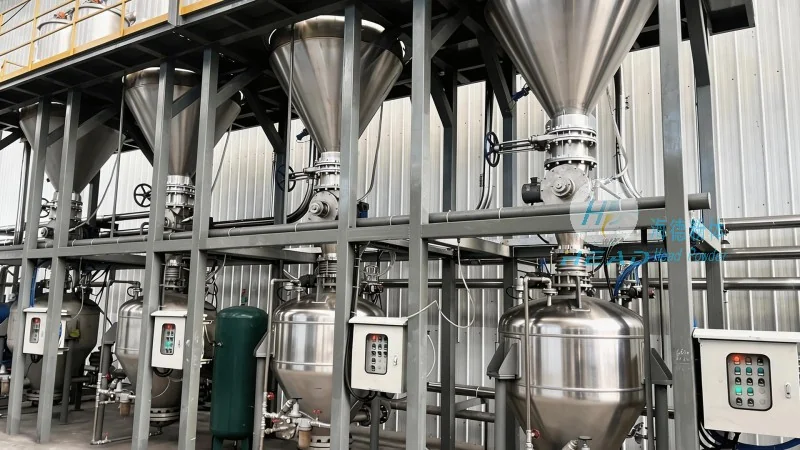
Pneumatic conveying is a method of transporting bulk materials through a pipeline using a stream of pressurized or vacuum air. For desulfurization and denitrification agents, which are often fine powders or granules, this technique offers several advantages over traditional mechanical conveying systems. The primary principle involves creating a flow of air that entrains the material particles, moving them from the source to the destination. This process relies on the balance between air velocity and particle size, density, and moisture content to ensure efficient and reliable transport. The system typically consists of a material hopper, a conveyor line, and a discharge point, with optional components like cyclones or filters to separate the material from the air stream. By controlling the air pressure and flow rate, operators can adjust the conveying capacity and distance, making it adaptable to various industrial requirements.
Key Working Scene Characteristics of Pneumatic Conveying Systems
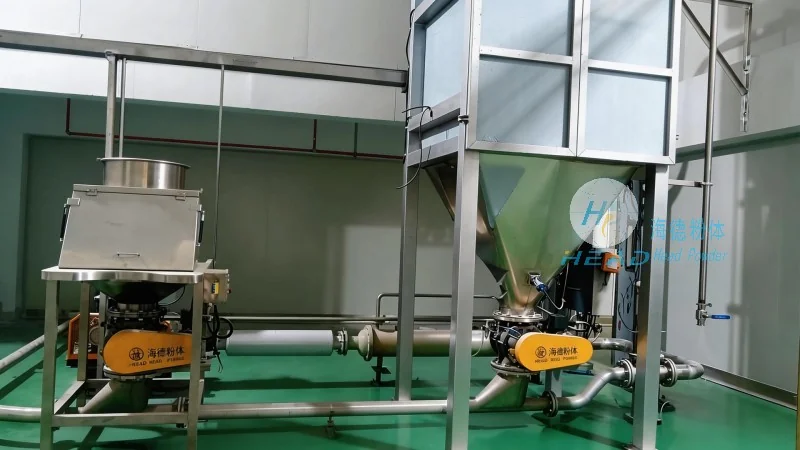
The application of pneumatic conveying for desulfurization and denitrification agents is characterized by several distinct working scene features that enhance operational efficiency and safety. One critical characteristic is the ability to handle fine powders with high moisture content, which can be challenging for other conveying methods. The enclosed system prevents dust emissions, reducing environmental impact and improving workplace safety. Additionally, the flexibility of pneumatic conveying allows for vertical, horizontal, or mixed-direction transport, enabling complex layouts in industrial plants. The system's scalability is another key feature, as it can be customized to handle varying material volumes and processing needs. For example, in power plants, these agents are often transported from storage silos to reaction towers, requiring precise control to maintain consistent flow rates and prevent blockages. The working scene also emphasizes the importance of maintaining air quality and preventing material degradation, which is achieved through filtration and temperature control in the conveying line.
Operational Advantages and Practical Applications
When applied to desulfurization and denitrification processes, pneumatic conveying offers several operational advantages that make it a preferred choice for industrial facilities. The primary benefit is the reduction in material handling time and labor costs, as the automated system minimizes manual intervention. The enclosed design also reduces the risk of dust explosions and improves compliance with environmental regulations. In power generation plants, for instance, the system efficiently transports limestone or other reagents to the desulfurization units, ensuring optimal reaction conditions. The working scene in chemical manufacturing facilities may involve the transport of catalysts or absorbents to reactors, where precise dosing is crucial for process efficiency. The adaptability of the system to different material properties, such as particle size distribution and flowability, further enhances its suitability for diverse applications. Moreover, the ability to integrate with existing plant infrastructure without major modifications makes pneumatic conveying a cost-effective solution for upgrading material handling systems.
Technical Considerations for Effective Conveying
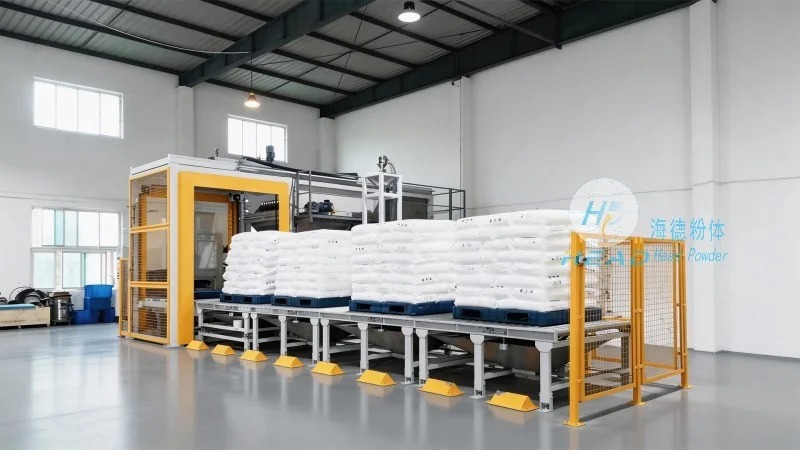
Implementing an effective pneumatic conveying system for desulfurization and denitrification agents requires careful consideration of several technical factors. The first is the selection of the appropriate air velocity, which must be sufficient to entrain the material particles but not so high as to cause excessive energy consumption or wear on the system components. The system's pressure requirements are another critical consideration, as higher pressures allow for longer conveying distances but increase operational costs. The design of the material hopper and feeder is essential to prevent material bridging or segregation, which can disrupt the flow. Additionally, the use of cyclones or filters in the system is vital to maintain air quality and prevent material loss. Regular maintenance of the conveying line, including cleaning and inspection of components, is necessary to ensure long-term reliability. HeadPowder, with its expertise in engineering and material handling, provides comprehensive solutions that address these technical considerations, ensuring optimal performance and minimal downtime for industrial clients.