

Principle and Working Scene Characteristics of Small Bag Quantitative Feeding Powder Pneumatic Conve
Welcome to HeadPowder, a leading manufacturer specializing in advanced powder handling solutions. Our company, Shandong HeadPowder Engineering Co., Ltd., is headquartered in Shandong, China, and is dedicated to providing high-quality, efficient equipment for the powder processing industry. Today, we will explore the principle and working scene characteristics of our small bag quantitative feeding powder pneumatic conveying equipment, a critical component in modern powder handling systems.
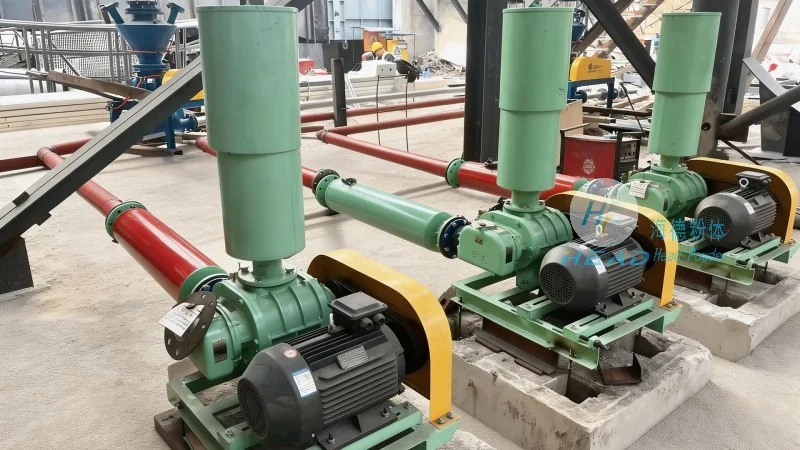
Introduction to Small Bag Quantitative Feeding Powder Pneumatic Conveying Equipment
At HeadPowder, we understand the importance of precise and reliable powder feeding in various industrial applications. The small bag quantitative feeding powder pneumatic conveying equipment is designed to efficiently transfer bulk powders from storage bags into processing lines with minimal human intervention. This equipment integrates a quantitative feeder with a pneumatic conveying system, ensuring accurate material flow control and consistent product quality. The system is particularly suitable for industries such as pharmaceuticals, food processing, chemical manufacturing, and more, where precision and hygiene are paramount.
Principle of Operation
The core principle of the small bag quantitative feeding powder pneumatic conveying equipment lies in its combination of mechanical and pneumatic technologies. The system typically consists of a hopper, a quantitative feeder, a pneumatic conveying line, and a receiver. The quantitative feeder, often a volumetric or gravimetric type, measures the exact amount of powder from the small bag and releases it into the conveying line. Simultaneously, a blower or compressor generates the necessary air pressure to transport the powder through the pipeline. The air and powder mixture travels through the conveying line to the receiver, where the powder is separated from the air and collected. This process ensures that the powder is conveyed with minimal degradation and maximum efficiency.
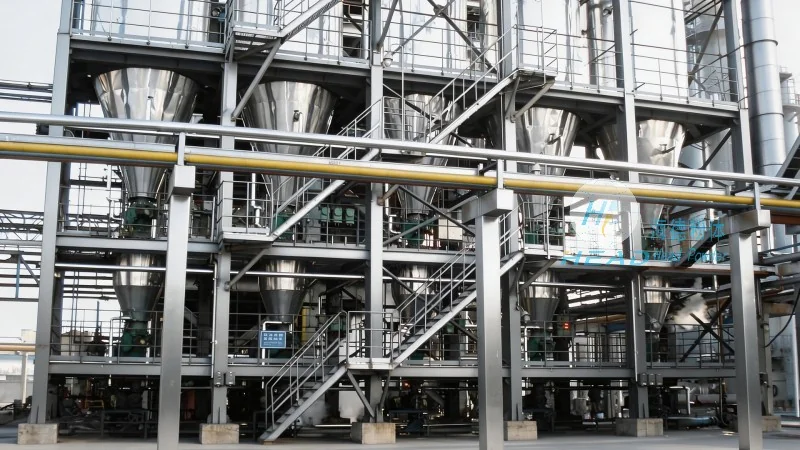
Key Components and Their Functions
Several key components work in harmony to ensure the smooth operation of the small bag quantitative feeding system. The hopper serves as the storage container for the powder, providing a stable feed source. The quantitative feeder, which can be a screw feeder, rotary valve, or gravimetric scale, is responsible for measuring and controlling the feed rate. The pneumatic conveying line, usually made of stainless steel or other corrosion-resistant materials, transports the powder and air mixture. The blower or compressor generates the required air pressure, while the receiver collects the conveyed powder and may include a dust collection system to ensure environmental compliance. Each component is designed to work together seamlessly, minimizing downtime and maximizing productivity.
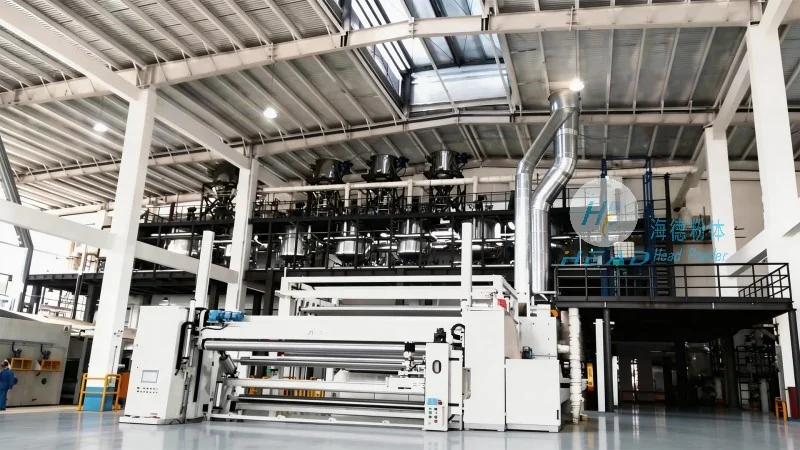
Working Scene Characteristics and Applications
The small bag quantitative feeding powder pneumatic conveying equipment is versatile and can be applied in a wide range of working scenes. In pharmaceutical manufacturing, for example, it is used to transfer active pharmaceutical ingredients (APIs) and excipients with high precision, ensuring that the final product meets strict quality standards. In food processing, the equipment is ideal for handling powders like flour, sugar, and spices, maintaining hygiene and preventing contamination. In chemical manufacturing, it can handle various chemical powders, including those that are abrasive or corrosive, with durability and reliability. The equipment is also suitable for small-scale production lines or as a supplementary system in larger facilities, providing flexibility and adaptability to different production needs.
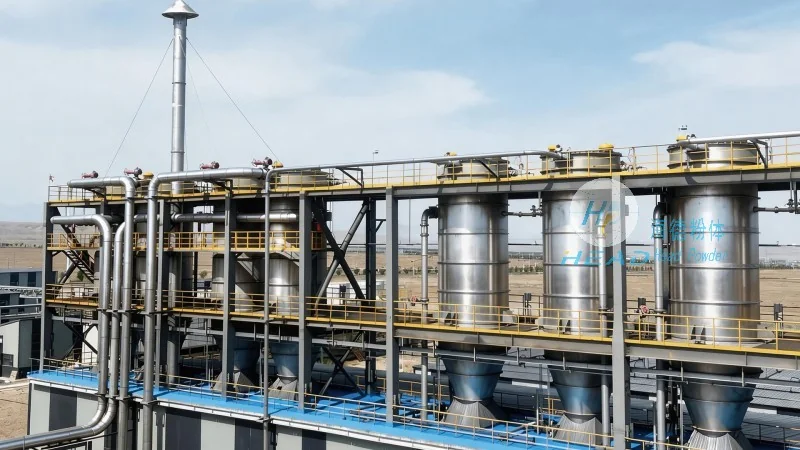
Advantages and Benefits
Implementing the small bag quantitative feeding powder pneumatic conveying equipment offers numerous advantages for industrial operations. First, it enhances process efficiency by reducing manual labor and minimizing material loss. The precise feed control ensures that the correct amount of powder is used, optimizing production yields and reducing waste. Second, the system improves product quality by maintaining consistent material flow and preventing contamination. The enclosed design of the equipment protects the powder from environmental factors, such as moisture and dust, which can affect product quality. Third, the equipment is space-efficient and can be integrated into existing production lines with minimal modifications. It also reduces the risk of workplace accidents by eliminating the need for manual handling of bulk powders. Overall, the small bag quantitative feeding system is a cost-effective and reliable solution for modern powder handling needs.
Conclusion
HeadPowder's small bag quantitative feeding powder pneumatic conveying equipment is a testament to our commitment to innovation and quality in the powder handling industry. By combining advanced technology with practical design, our equipment provides reliable, efficient, and accurate powder transfer solutions for various applications. Whether in pharmaceutical, food, or chemical manufacturing, our system helps businesses achieve higher productivity, better product quality, and lower operational costs. With our headquarters in Shandong, China, we are dedicated to serving customers worldwide with customized solutions that meet their specific needs. For more information about our equipment and services, please contact us at our Shandong location.