

Principle and Working Scene Characteristics of Quartz Powder Material Handling System Equipment
HeadPowder, a leading manufacturer based in Shandong, China, specializes in the design and production of advanced material handling systems tailored for industries dealing with fine powders like quartz powder. This article delves into the core principles of quartz powder material handling equipment and highlights the key working scene characteristics that define its operational efficiency and versatility.
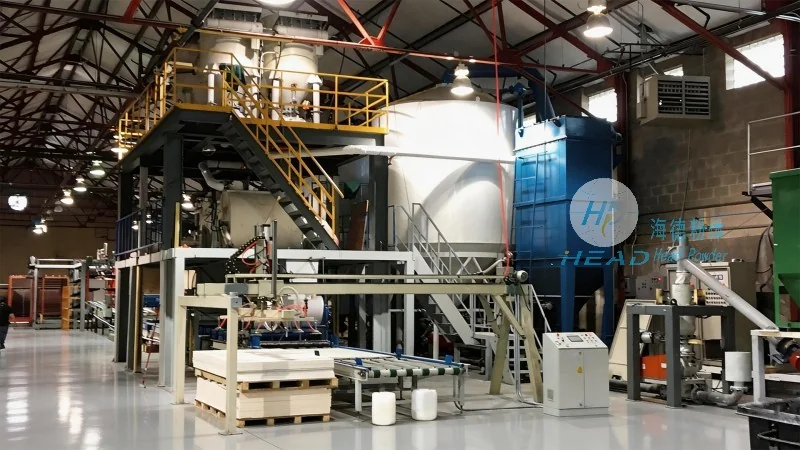
Understanding the Core Principles of Quartz Powder Material Handling Systems
The fundamental principle behind quartz powder material handling systems lies in the efficient transfer of fine particles from one location to another while maintaining product integrity. These systems are engineered to handle the unique properties of quartz powder, which includes its high density, abrasive nature, and tendency to form clumps or agglomerates. The design incorporates advanced technologies such as pneumatic conveying, mechanical conveying, and automated control systems to ensure smooth and reliable operation.
At the heart of the system is the material feed mechanism, which ensures consistent and controlled feeding of quartz powder into the conveying line. This is often achieved through the use of rotary valves, star feeders, or screw feeders, which regulate the flow rate and prevent material buildup or blockages. The conveying section utilizes either positive or negative pressure systems, depending on the application requirements. Positive pressure systems push the powder through the pipeline using compressed air, while negative pressure systems create a vacuum to draw the material. Both methods are optimized to minimize product degradation and energy consumption.
Key Working Scene Characteristics of Quartz Powder Material Handling Equipment
The working scene characteristics of quartz powder material handling systems are tailored to meet the specific demands of industrial environments. These characteristics include high efficiency in material transfer, low maintenance requirements, and adaptability to varying production scales. The systems are designed to operate in environments where dust control is critical, as quartz powder can be hazardous if inhaled. Advanced filtration and dust collection systems are integrated into the design to ensure compliance with occupational health and safety regulations.
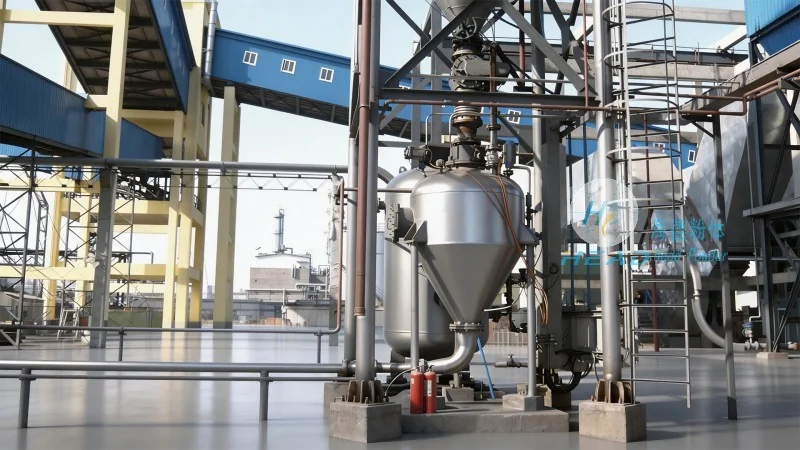
Another critical characteristic is the system's ability to handle abrasive materials without causing excessive wear to components. Quartz powder is known for its hardness, which can lead to premature wear of conveyor belts, pipes, and valves. To address this, the equipment is constructed using high-quality materials such as stainless steel, wear-resistant alloys, and special coatings that extend the service life of the components. This not only reduces maintenance costs but also ensures consistent performance over extended periods.
The working scene also emphasizes the importance of scalability and flexibility. The systems can be customized to accommodate different production volumes, from small-scale laboratory applications to large-scale industrial operations. Modular designs allow for easy expansion or reconfiguration, enabling manufacturers to adapt to changing production needs without significant downtime or capital investment. This flexibility is particularly valuable in industries where product specifications or production rates may vary over time.
Application Scenarios and Operational Benefits
Quartz powder material handling systems are widely used in various industries, including ceramics, glass manufacturing, pharmaceuticals, and chemical processing. In the ceramics industry, for example, quartz powder is a primary raw material used to produce high-quality ceramics and glass products. The material handling system ensures that the quartz powder is delivered to the production line in a consistent and controlled manner, which is crucial for maintaining product quality and reducing defects.
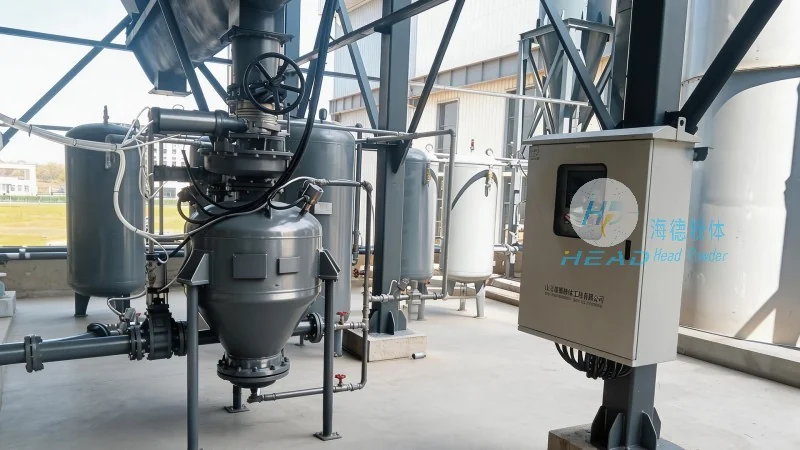
In the pharmaceutical industry, the handling of quartz powder requires stringent hygiene and contamination control measures. The systems are designed with sealed components and easy-to-clean surfaces to prevent cross-contamination and ensure compliance with regulatory standards. The automated control systems allow for precise dosing and monitoring, which is essential for maintaining product consistency and meeting quality control requirements.
The operational benefits of these systems extend beyond efficiency and quality control. By reducing manual handling and exposure to dust, the systems enhance workplace safety and reduce the risk of occupational health issues. The energy-efficient design minimizes operational costs, contributing to overall cost savings for the manufacturer. Additionally, the reliable performance of the equipment ensures minimal downtime, which is critical for maintaining production schedules and meeting customer delivery deadlines.
Conclusion
HeadPowder's quartz powder material handling systems exemplify the integration of advanced engineering principles with practical industrial needs. By understanding the unique properties of quartz powder and designing systems that address these challenges, the company provides solutions that enhance operational efficiency, ensure product quality, and promote workplace safety. The working scene characteristics of these systems, including their efficiency, durability, and adaptability, make them a preferred choice for industries that rely on consistent and reliable material handling processes.