

Principle and Working Scene Characteristics of Gypsum Material Conveying System Equipment
HeadPowder, a leading manufacturer based in Shandong, China, specializes in providing advanced solutions for material handling in industrial applications. This article explores the fundamental principles and operational characteristics of gypsum material conveying systems, highlighting how these technologies enhance efficiency and reliability in processing environments.
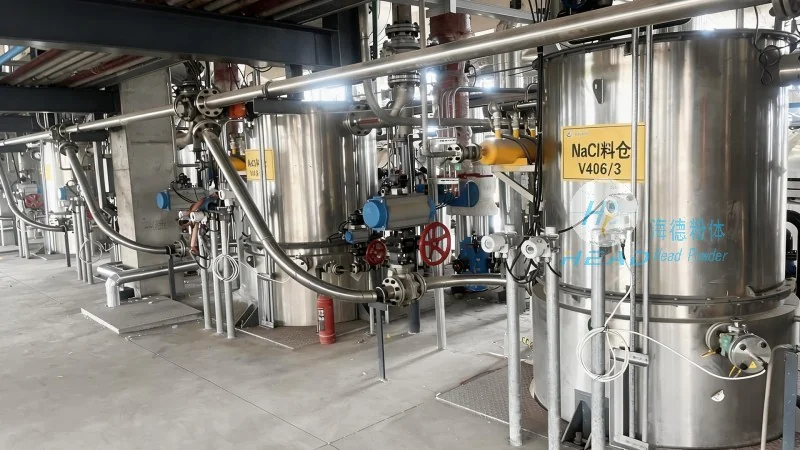
The Core Principle of Gypsum Material Conveying Systems
Gypsum material conveying systems are engineered to transport bulk gypsum efficiently from storage or processing areas to production lines. The primary principle involves the use of mechanical components such as conveyor belts, screw conveyors, or pneumatic systems to move the material. These systems are designed to handle the specific physical properties of gypsum, including its density, moisture content, and particle size, ensuring smooth and consistent operation. The equipment typically incorporates features like adjustable speed controls, material flow sensors, and protective enclosures to maintain safety and performance.
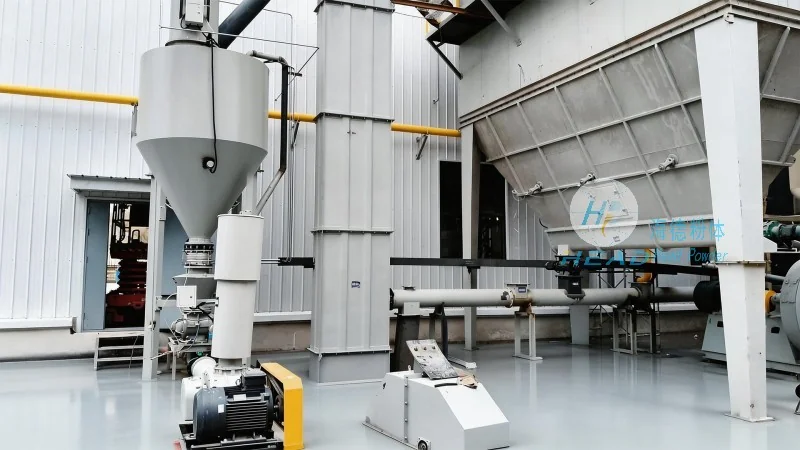
Key Working Scene Characteristics
The operational characteristics of gypsum material conveying systems are tailored to meet the demands of various industrial settings. For instance, in construction material production facilities, these systems are used to transport raw gypsum to grinding or mixing units. The systems are designed to handle large volumes of material, often with high throughput rates, which is critical for meeting production schedules. Additionally, the equipment is built to withstand the abrasive nature of gypsum, with components like wear-resistant liners and durable motors to extend service life. In mining and quarry operations, the conveying systems may be integrated with crushing or screening equipment to form a complete material processing line.
Application Scenarios and Operational Efficiency
HeadPowder's gypsum material conveying systems are deployed in diverse working environments, from small-scale processing plants to large-scale industrial complexes. In a typical scenario, the system might start with a hopper that feeds material into a screw conveyor, which then transports the gypsum to a storage silo or directly to a production machine. The design allows for seamless integration with other processing equipment, such as mixers or kilns, optimizing the overall workflow. The systems are also equipped with monitoring and control features, enabling operators to adjust parameters in real-time, such as conveyor speed or material feed rate, to maintain optimal performance. This adaptability ensures that the conveying system can handle fluctuations in material volume or quality without compromising efficiency.
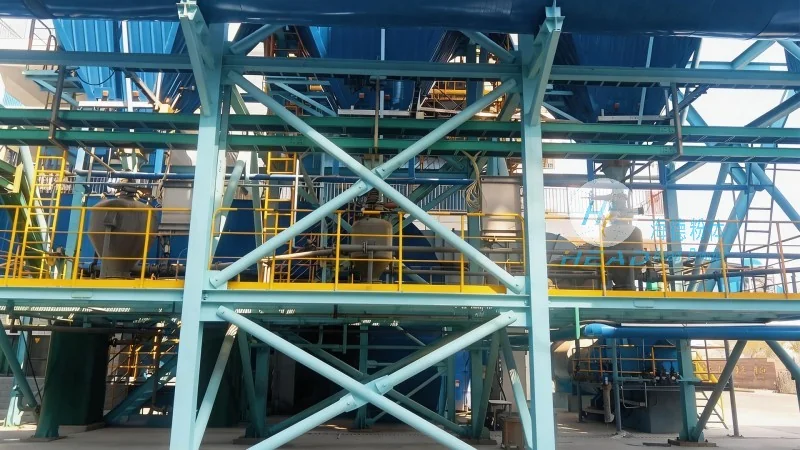
Technical Advantages and Safety Features
Modern gypsum material conveying systems from HeadPowder offer several technical advantages that enhance their performance and reliability. For example, the use of variable frequency drives (VFDs) allows for precise control of conveyor speed, which is essential for maintaining consistent material flow. The systems also incorporate advanced sensors to detect blockages or overloads, preventing damage to components and ensuring continuous operation. Safety features, such as emergency stop buttons and interlocked access panels, are standard to protect operators and comply with industrial safety regulations. Additionally, the equipment is designed for easy maintenance, with accessible components and modular designs that simplify repairs and reduce downtime.