

Principles and Working Scene Characteristics of Desulfurization and Dust Removal Fly Ash Powder Conv
Desulfurization and dust removal processes in power plants and industrial facilities generate large volumes of fly ash, a fine powder that requires efficient and reliable transportation for disposal or reuse. The technology of fly ash powder conveying is crucial for maintaining operational efficiency and environmental compliance. This article explores the fundamental principles behind fly ash powder conveying systems and highlights the key characteristics of working scenes where these systems are applied.
Principles of Fly Ash Powder Conveying
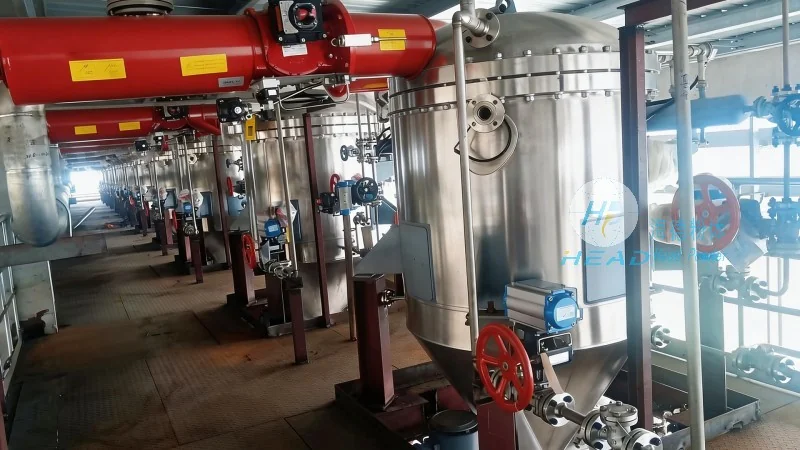
The core principle of fly ash powder conveying involves the use of pneumatic or mechanical systems to transport fine particulate materials like fly ash from the source (e.g., electrostatic precipitators or bag filters) to storage silos, landfills, or recycling facilities. Pneumatic conveying systems utilize air pressure to move the material through pipelines, while mechanical systems employ screw conveyors, belt conveyors, or bucket elevators. The choice of system depends on factors such as material properties, distance, and required flow rates. For fly ash, which is typically dry and abrasive, pneumatic systems are often preferred due to their ability to handle fine particles and minimize dust emissions during transport.
Working Scene Characteristics
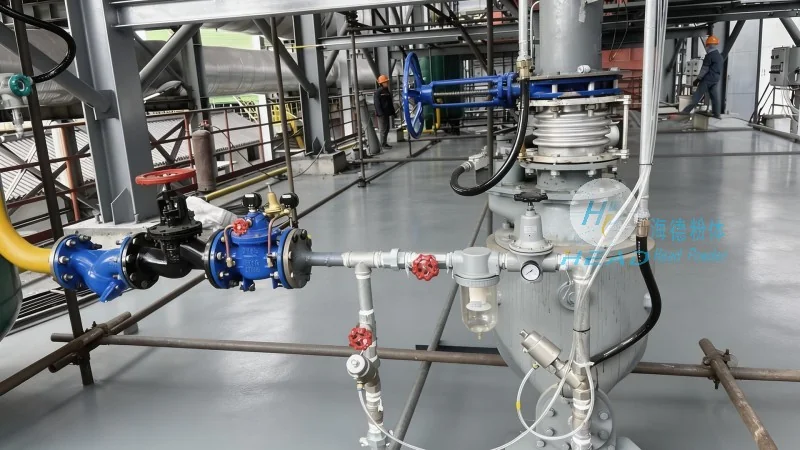
Desulfurization and dust removal fly ash powder conveying systems are commonly deployed in industrial settings with specific operational characteristics. These scenes include power generation plants, thermal power stations, and industrial factories where large-scale air pollution control is mandatory. The working environment is typically characterized by high dust concentrations, temperature variations, and the need for continuous operation to meet emission standards. The systems must be designed to handle abrasive materials and resist corrosion, as fly ash can be acidic due to sulfur compounds. Additionally, the conveying process must be energy-efficient and low-maintenance to ensure long-term operational reliability.
Application Examples and System Components
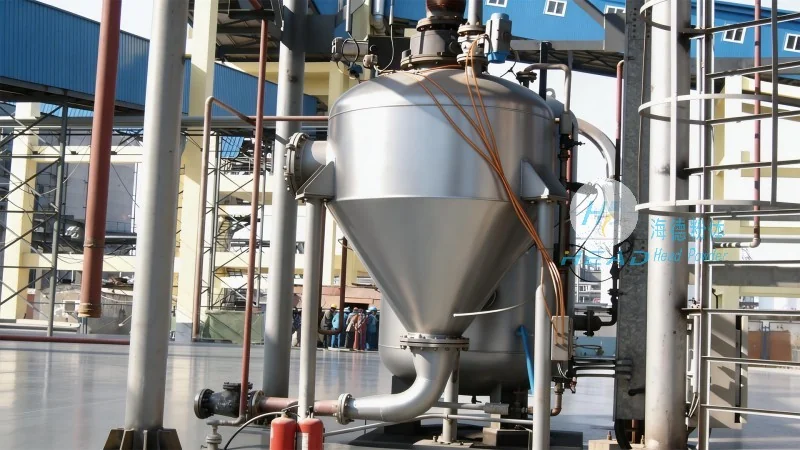
In practice, fly ash powder conveying systems consist of several key components, including ash hoppers, feeding devices, conveying pipelines, and discharge units. The ash hopper collects the fly ash from the dust removal equipment and feeds it into the conveying system. Feeding devices such as rotary valves or screw feeders ensure a consistent flow of material into the pipeline. Pneumatic conveying systems use blowers or compressors to generate the necessary air pressure, while mechanical systems rely on motor-driven conveyors. The pipelines are typically made of corrosion-resistant materials like stainless steel or plastic to withstand the abrasive nature of fly ash. Discharge units, such as silos or storage tanks, receive the conveyed ash for further processing or disposal.
Advantages and Challenges in Fly Ash Conveying
Efficient fly ash powder conveying offers several advantages, including reduced labor costs, minimized environmental impact, and improved process control. By transporting ash directly from the source to storage or reuse locations, the system eliminates the need for manual handling and reduces the risk of dust exposure for workers. Additionally, the use of closed systems prevents air pollution and ensures compliance with environmental regulations. However, challenges remain, such as the need for regular maintenance to prevent pipeline blockages and system downtime. Abrasive materials can cause wear and tear on components, requiring the use of high-quality materials and protective coatings. Energy consumption is also a consideration, as pneumatic systems can be energy-intensive, especially for long-distance conveying.
Conclusion
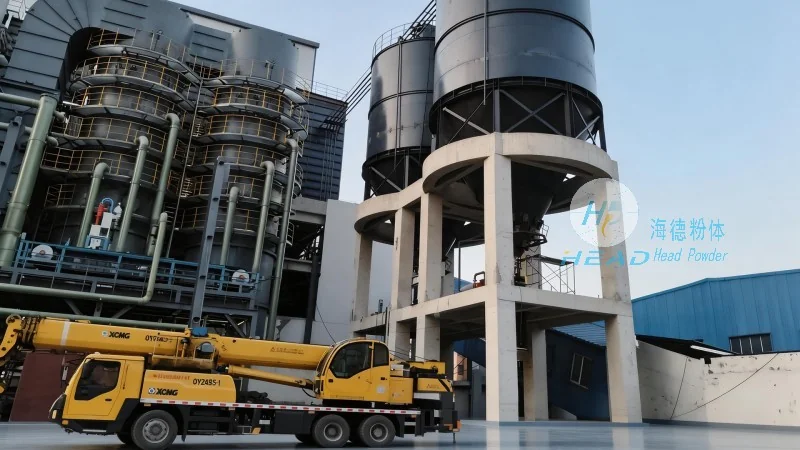
Desulfurization and dust removal fly ash powder conveying is a critical technology for managing the byproducts of air pollution control systems. The principles and working scene characteristics of these systems are tailored to the specific demands of industrial applications, ensuring efficient and reliable transport of fine particulate materials. As environmental regulations continue to tighten, the importance of effective fly ash conveying systems will only increase, making them essential for sustainable industrial operations. Shandong HeadPowder Engineering Co., Ltd., a leading provider of engineering solutions for powder handling, specializes in designing and implementing advanced fly ash conveying systems that meet the highest standards of efficiency and reliability.