

Soda Ash Material Handling: What It Is and Its Design Principles
Soda ash, also known as sodium carbonate, is a critical industrial chemical widely used in various sectors including glass manufacturing, chemical production, and water treatment. The efficient handling and transportation of soda ash are essential for industrial operations to maintain productivity and safety. This article explores the fundamentals of soda ash material handling and the key design principles that underpin effective systems.

Key Components of Soda Ash Material Handling Systems
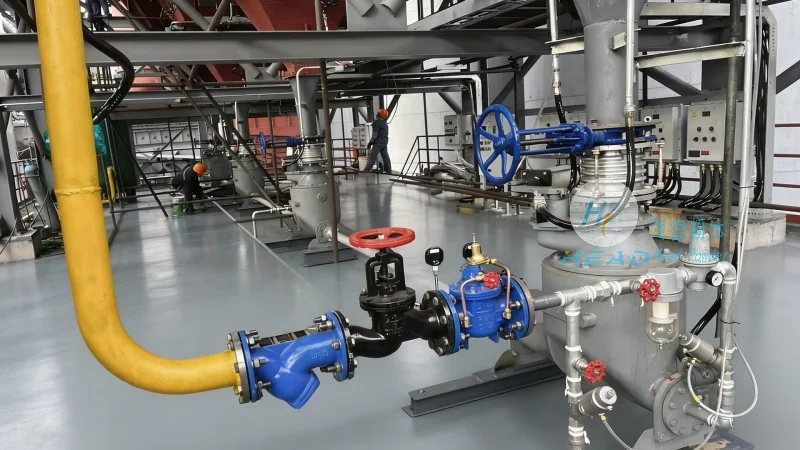
The material handling of soda ash involves several critical components that work together to ensure safe and efficient operation. These components include storage silos, conveying equipment such as belt conveyors or pneumatic systems, and processing units. The choice of equipment depends on the specific application, production scale, and environmental factors. For instance, bulk storage silos are commonly used to store large quantities of soda ash, while conveyor systems transport the material from storage to processing areas or packaging units. Pneumatic conveying systems may be employed for dusty or fine-grained soda ash to minimize dust exposure and ensure smooth material flow.
Design Principles for Optimal Performance
Effective design of soda ash material handling systems follows several key principles aimed at maximizing efficiency, safety, and durability. First, material compatibility is crucial. The equipment must be constructed from materials that resist corrosion and chemical reactions with soda ash, such as stainless steel or specialized coatings. This prevents degradation of the system and ensures long-term reliability. Second, dust control is a major consideration. Soda ash is a fine powder that can create significant dust hazards, so systems often incorporate dust collection and suppression measures. This includes using sealed conveyor systems, dust filters, and proper ventilation to maintain a safe working environment. Third, system integration is essential. The material handling system should be integrated with other industrial processes, such as batching or packaging, to streamline operations and reduce manual intervention. This integration improves overall productivity and reduces the risk of errors.

Safety and Operational Considerations
Safety is a top priority in soda ash material handling due to the chemical's properties and the potential for dust explosions. Design principles must incorporate robust safety measures, including explosion-proof components, dust monitoring systems, and emergency shutdown procedures. Additionally, proper training for operators and regular maintenance of equipment are critical to prevent accidents and ensure the system operates within safe parameters. The system should also be designed to handle variations in material flow, such as changes in production rates or material quality, to maintain consistent performance.
Applications and Industry Use Cases
Soda ash material handling systems are used in a variety of industrial applications. In the glass industry, for example, soda ash is a primary raw material used to lower the melting point of silica sand. The material handling system must be capable of delivering precise quantities of soda ash to the glass furnace, often with automated control systems to maintain consistent glass quality. In chemical manufacturing, soda ash is used in the production of other chemicals, such as sodium bicarbonate and sodium silicate. The material handling system must be able to handle different grades of soda ash and transport them to various processing units efficiently. In water treatment, soda ash is used to adjust pH levels and remove impurities from water. The system must be designed to handle the material in a way that minimizes contamination and ensures the treated water meets regulatory standards.
Conclusion: The Importance of Well-Designed Material Handling Systems
Efficient and safe material handling of soda ash is vital for industrial operations to achieve high productivity and maintain compliance with safety regulations. The design principles discussed above, including material compatibility, dust control, and system integration, are essential for creating effective material handling systems. By adhering to these principles, companies can ensure that their soda ash handling operations are reliable, efficient, and safe. As the demand for soda ash continues to grow, the importance of well-designed material handling systems will only increase, making it a critical component of industrial success.