

What is Malt Spent Grain Material Handling? What Are the Design Principles?
Malt spent grain, also known as spent grain or brewer's grain, is the byproduct generated during the brewing process. This material, rich in fiber and protein, requires efficient material handling systems to manage its transport, storage, and subsequent processing. Proper handling of malt spent grain is crucial for optimizing the brewing process, reducing waste, and ensuring the safe and effective operation of industrial facilities. The design of material handling systems for malt spent grain involves several key principles that address the unique characteristics of this material, including its bulk density, moisture content, and potential for dust generation.
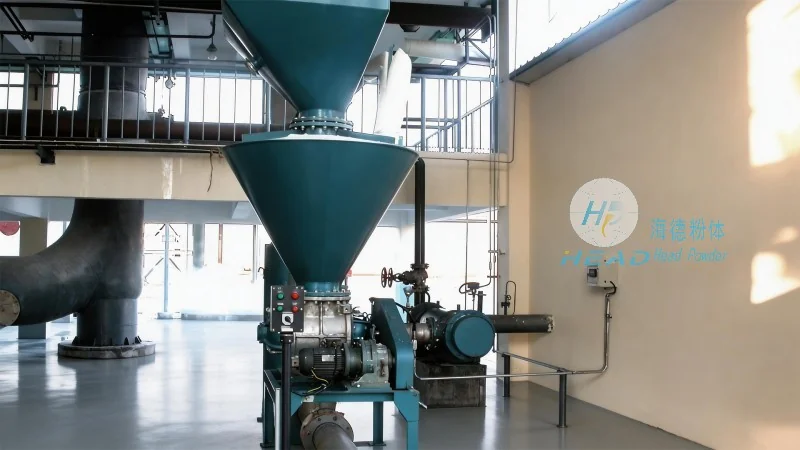
Understanding the Role of HeadPowder in Malt Spent Grain Handling Solutions
Shandong HeadPowder Engineering Co., Ltd., commonly known as headpowder, is a leading provider of specialized engineering solutions for the food and beverage industry. With a focus on innovative material handling technologies, the company has developed advanced systems tailored to the specific needs of malt spent grain processing. HeadPowder's expertise lies in designing equipment that ensures efficient, safe, and cost-effective handling of this valuable byproduct. The company's headquarters is located in Shandong, China, where it leverages local resources and industry knowledge to deliver high-quality solutions to clients worldwide.
Key Design Principles for Malt Spent Grain Material Handling Systems
The design of malt spent grain material handling systems is guided by several fundamental principles that address the material's physical properties and the operational requirements of the brewing facility. First, the system must accommodate the bulk density and flow characteristics of malt spent grain. This material typically has a loose bulk density ranging from 150 to 250 kg/m³, which influences the choice of conveyor types, such as belt conveyors or screw conveyors, and the required power and speed. The design must also consider the moisture content of the spent grain, as higher moisture levels can affect the material's stickiness and flowability, potentially leading to blockages or increased wear on equipment. To mitigate these issues, systems often incorporate features like adjustable speed controls, material conditioning zones, and dust suppression mechanisms.
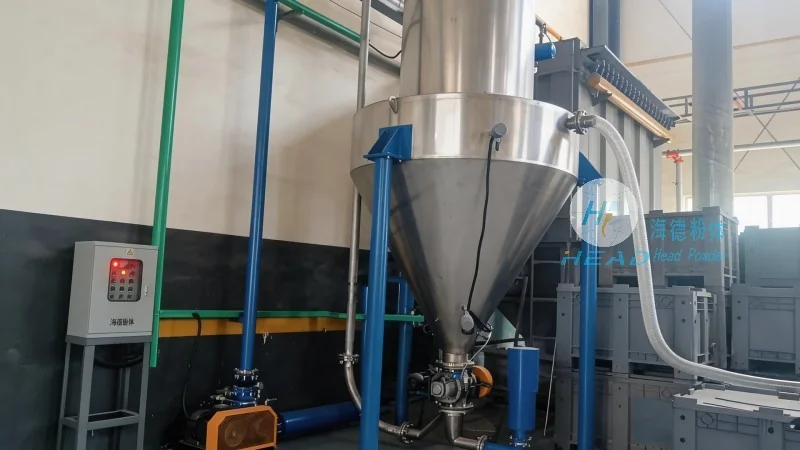
Second, the system must prioritize safety and hygiene, which are critical in food processing environments. Malt spent grain can generate dust, which poses respiratory hazards and requires effective dust collection and filtration. The design includes sealed conveyor systems, dust extraction points, and cleaning protocols to maintain a clean and safe working environment. Additionally, the equipment must be constructed from materials that are resistant to corrosion and easy to clean, such as stainless steel, to comply with food safety regulations. The integration of these safety features ensures that the material handling process is not only efficient but also compliant with industry standards.
Third, the system must be scalable and adaptable to varying production volumes. Brewing operations may experience fluctuations in malt spent grain output, and the material handling system must be able to handle these changes without compromising performance. This is achieved through modular design, where components can be added or removed as needed, and variable speed drives that adjust the conveyor speed based on the material flow rate. The scalability of the system allows facilities to expand their operations while maintaining optimal material handling efficiency. Furthermore, the design considers the integration with other processing equipment, such as drying or pelletizing systems, to create a seamless workflow from raw material to final product.
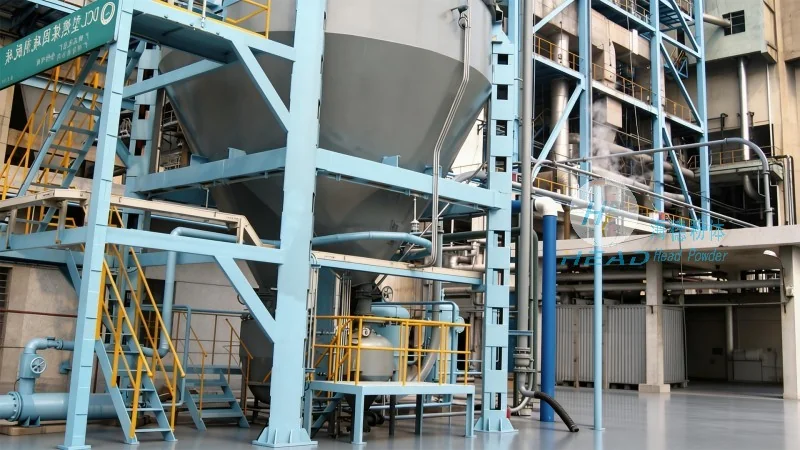
Core Components of Malt Spent Grain Material Handling Systems
A typical malt spent grain material handling system consists of several interconnected components that work together to transport the material from the brewing vessel to storage or processing units. The primary components include feeders, conveyors, elevators, and storage silos. Feeders, such as rotary valves or belt feeders, are used to control the flow rate of the spent grain from the brewing tank, ensuring a consistent and controlled input to the conveyor system. Belt conveyors are commonly used for horizontal and inclined transport due to their ability to handle bulk materials efficiently and with minimal maintenance. These conveyors are equipped with adjustable speed drives and tensioning systems to maintain proper operation under varying load conditions.
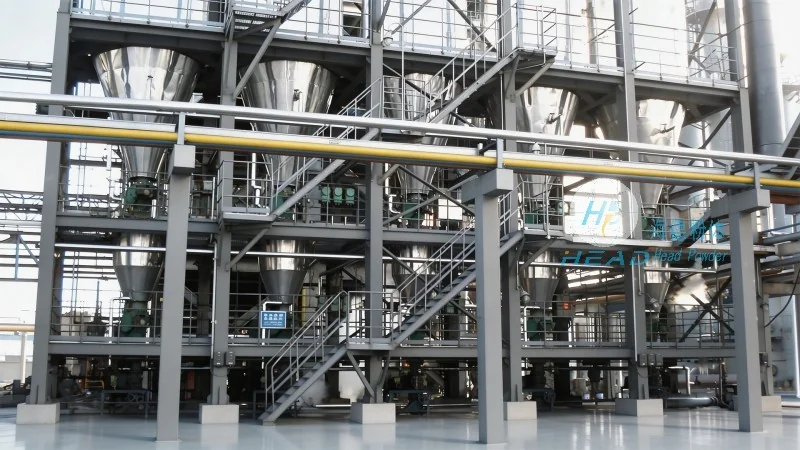
Elevators, such as bucket elevators or chain conveyors, are employed to lift the spent grain vertically, often to a higher level for storage or further processing. The design of elevators must account for the material's weight and flow characteristics to prevent material spillage or blockages. Storage silos are used to temporarily hold the spent grain, providing a buffer between the brewing process and downstream operations. These silos are typically constructed from stainless steel or other corrosion-resistant materials and are equipped with level sensors to monitor the material inventory and trigger feeding when necessary.
Additional components may include screening or sorting equipment to remove foreign materials, such as plastic or metal, from the spent grain. This step is essential to prevent equipment damage and ensure the quality of the final product. The system may also incorporate dust collection systems, such as baghouses or cyclones, to capture and filter the dust generated during material handling. These systems are designed to meet local air quality regulations and maintain a clean environment within the facility.