

What is Latex Powder Material Handling? And What Are Its Design Principles?
Latex powder material handling is a specialized industrial process focused on the efficient transport and management of latex powder. This technology is vital for sectors that rely on latex products, such as rubber manufacturing, adhesive production, and coating applications. The design principles behind these systems are tailored to address the unique properties of latex powder, ensuring safe, reliable, and efficient material movement.
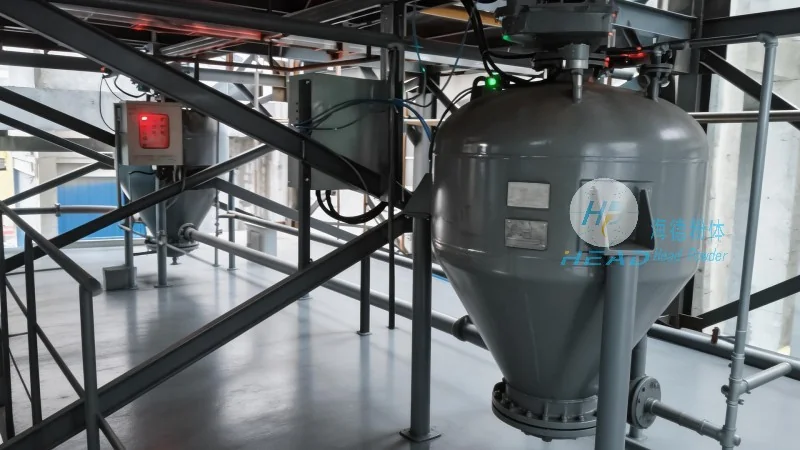
Understanding Latex Powder Material Handling
Latex powder, whether derived from natural rubber or synthetic sources, is a fine particulate material that requires careful handling due to its potential to generate dust, clog pipelines, or degrade in quality if not managed properly. Material handling systems for latex powder typically employ pneumatic conveying, mechanical conveying, or a hybrid approach. The primary objective is to move the powder from storage to processing units while preserving its quality and safety.
The Core Design Principles of Latex Powder Handling Systems
The design of latex powder material handling systems is guided by several key principles that address the material's characteristics and operational needs. First, the system must implement effective dust control and containment to mitigate inhalation risks and environmental contamination. This is achieved through sealed systems, filtration, and proper ventilation. Second, the system must account for the powder's flow properties, which can vary based on moisture content, particle size, and agglomeration. Designers consider factors like bulk density, angle of repose, and cohesive forces to optimize the conveying process.
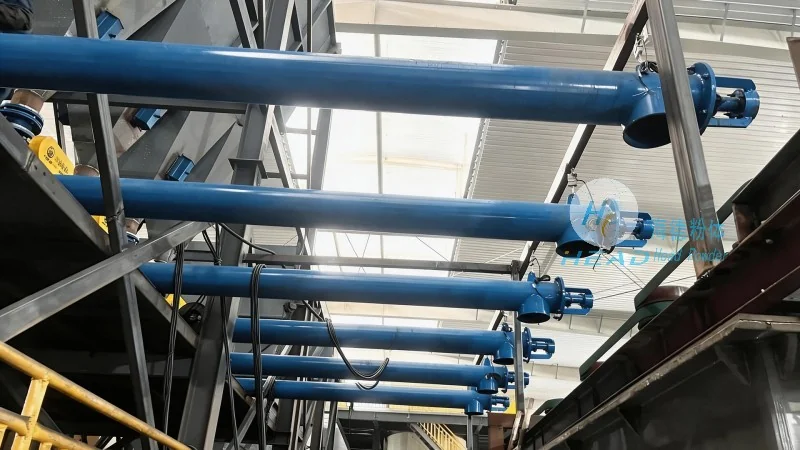
Third, the system must minimize material degradation and clogging. This involves selecting appropriate equipment, such as rotary valves, airlocks, and flexible hoses, that can handle the powder's tendency to stick or bridge. The design also considers the impact of temperature and humidity on the powder's properties, as these factors can affect its flowability and stability. Additionally, the system must be easy to clean and maintain to prevent cross-contamination and ensure long-term operational efficiency.
Key Components of a Latex Powder Material Handling System
A typical latex powder material handling system comprises several critical components that work in unison to ensure smooth operation. The primary components include the feed hopper, which stores and feeds the powder into the system; the conveying line, which transports the powder through pipes using air or mechanical force; and the discharge equipment, which delivers the powder to the processing unit. The feed hopper is designed with a low-angle hopper to prevent material bridging and ensure consistent flow. It may also incorporate a pre-filter or dust collection system to capture loose powder before it enters the conveying line.
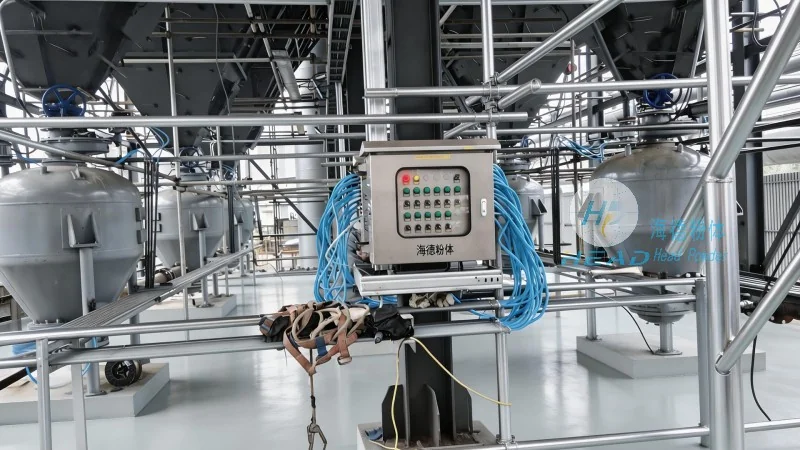
The conveying line is the core of the system, and its design depends on the chosen method. Pneumatic conveying systems utilize compressed air to move the powder, while mechanical systems use screw or belt conveyors. For latex powder, pneumatic systems are often preferred due to their ability to handle fine powders and their flexibility in routing. The line is typically constructed from stainless steel or other corrosion-resistant materials to prevent contamination and ensure durability.
The discharge equipment, such as rotary airlocks or star valves, regulates the flow of powder from the conveying line to the processing unit. These components are designed to prevent backflow and maintain a controlled discharge rate. They are also equipped with seals to preserve the system's integrity and prevent dust leakage. Auxiliary equipment like vacuum pumps, air compressors, and filtration units may also be included to support the conveying process and maintain air quality.

Applications and Benefits of Latex Powder Material Handling
Latex powder material handling systems are widely utilized in industries including rubber manufacturing (for tires, gloves, and other rubber products), adhesive production (for water-based adhesives in paper, packaging, and construction), and coatings (for paints and coatings with enhanced durability and flexibility). The benefits of these systems include improved safety by reducing dust exposure, increased efficiency by minimizing material loss and downtime, and enhanced product quality by maintaining the powder's integrity throughout transport.
For companies like Shandong HeadPowder Engineering Co., Ltd., based in China, these systems are engineered to meet specific client needs. The company specializes in designing and manufacturing material handling solutions tailored to latex powder requirements. Their expertise in system design and installation ensures clients receive reliable, efficient, and cost-effective solutions that enhance production processes. By adhering to core design principles and using high-quality components, Shandong HeadPowder Engineering Co., Ltd. helps industries optimize latex powder handling operations and achieve better overall performance.