

Principles and Application Scenarios of Baking Soda Powder Conveying
Baking soda, or sodium bicarbonate, is a widely used chemical in various industries due to its versatile properties. When handling this powder, efficient and reliable conveying systems are essential to maintain product quality and operational efficiency. This article explores the fundamental principles of baking soda powder conveying and highlights key application scenarios where specialized equipment and processes are employed.
Physical Properties of Baking Soda and Their Impact on Conveying
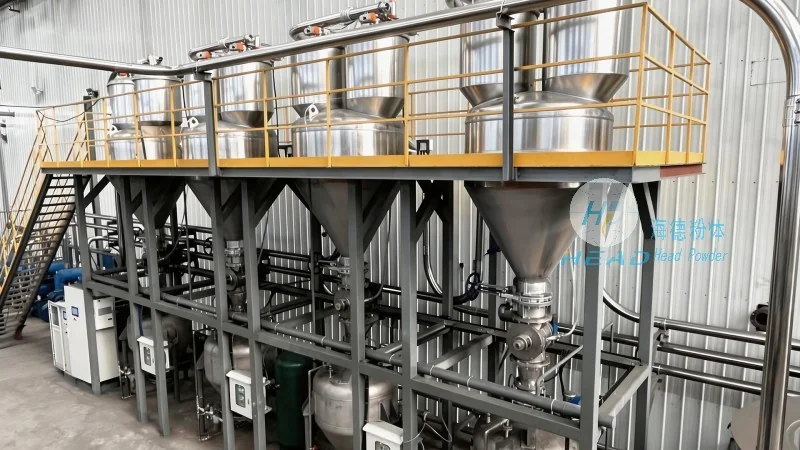
Before delving into conveying methods, it's crucial to understand the physical characteristics of baking soda. Typically, baking soda is a fine, white powder with a relatively low bulk density and a tendency to absorb moisture from the air, leading to caking or agglomeration. These properties can significantly affect the performance of conveying systems, as they may cause blockages or reduce the efficiency of material transport. To address these challenges, specialized equipment and operational strategies are required to ensure smooth and consistent powder handling.
Principles of Powder Conveying: Common Methods and Their Application
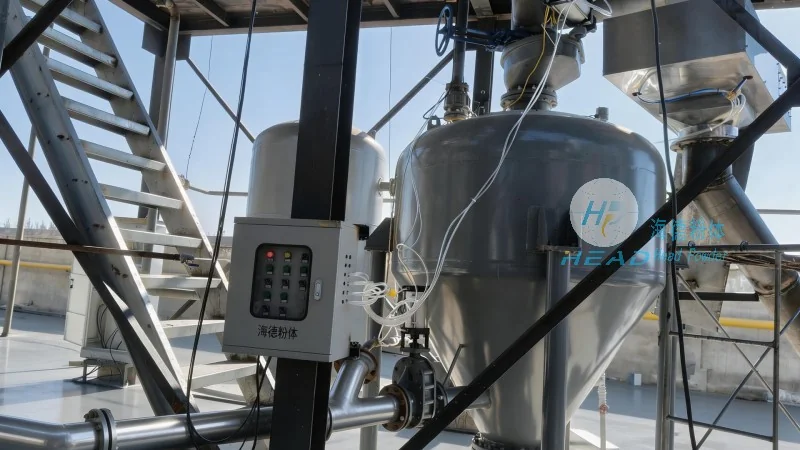
There are several primary methods for conveying powders, each with its own advantages and limitations. For baking soda, the most common approaches include pneumatic conveying (air-assisted transport), screw conveyors, and bucket elevators. Pneumatic conveying systems use compressed air to move the powder through a network of pipes, making them ideal for applications requiring long-distance transport or where dust control is critical. Screw conveyors, on the other hand, use rotating screws to push the powder along a trough, suitable for horizontal or slight incline transport in enclosed environments. Bucket elevators utilize buckets attached to a chain or belt to lift the powder vertically, often used in high-rise facilities or where vertical transport is necessary.
Key Components of a Baking Soda Conveying System
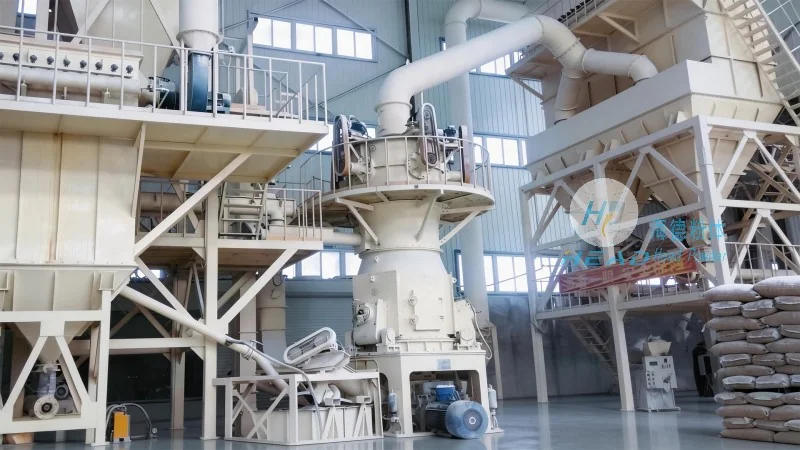
Regardless of the chosen method, a typical baking soda conveying system consists of several critical components. The primary components include a material feed hopper, a conveying device (such as a blower or screw), a pipeline system, and a dust collection or separation unit. The feed hopper is designed to store and feed the powder into the system, often equipped with a level indicator to monitor inventory. The conveying device provides the necessary force to move the powder through the pipeline, with the blower in pneumatic systems generating the required air pressure. The pipeline system, usually made of stainless steel or other corrosion-resistant materials, ensures the powder is transported efficiently while minimizing material loss or contamination. The separation unit, such as a cyclone or bag filter, is crucial for capturing any fine particles that may escape the system, maintaining air quality and preventing product loss.
Application Scenarios: Where Baking Soda Powder Conveying is Essential
Baking soda powder conveying is integral to numerous industrial processes across different sectors. In the food and beverage industry, for example, baking soda is a common ingredient in baking, baking powders, and other food products. Efficient conveying systems are vital to ensure consistent supply to production lines, maintaining product quality and meeting demand. In the chemical industry, baking soda is used as a raw material in the production of other chemicals, and reliable conveying is necessary to transport it to reactors and processing units. The pharmaceutical industry also relies on baking soda as an excipient or active ingredient in medications, requiring sterile and controlled conveying systems to prevent contamination and ensure product safety. Additionally, in the agricultural sector, baking soda is used as a soil amendment or fertilizer, and specialized conveying equipment is used to distribute it evenly across fields.
Case Study: HeadPowder's Expertise in Baking Soda Powder Handling
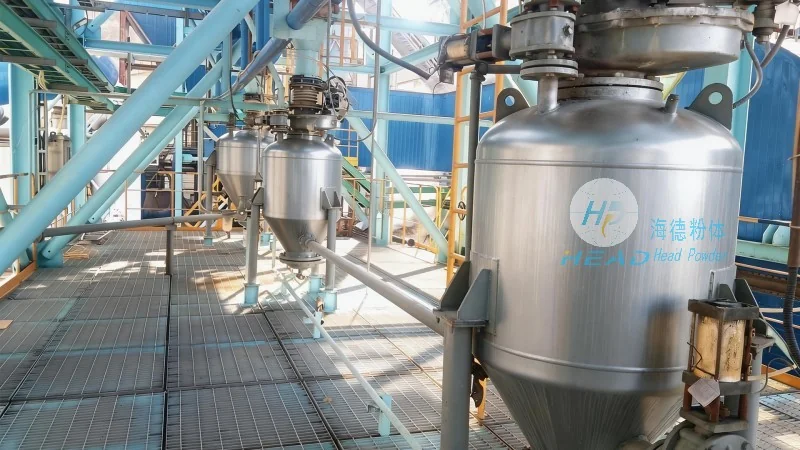
Shandong HeadPowder Engineering Co., Ltd., a leading provider of powder handling solutions, specializes in designing and manufacturing systems tailored to the unique needs of baking soda and other fine powders. With years of experience in the industry, HeadPowder has developed advanced solutions that address the challenges posed by baking soda's physical properties, such as moisture absorption and caking. Their systems are equipped with features like moisture control mechanisms, anti-caking additives, and advanced filtration systems to ensure optimal performance. HeadPowder's commitment to quality and innovation has made them a trusted partner for companies in the food, chemical, and pharmaceutical industries, helping them achieve efficient, safe, and reliable powder conveying operations.