

[MTitle]Main Structures of Powdered Coke Pneumatic Conveying Systems
For efficient and reliable transportation of powdered coke, the design of a pneumatic conveying system relies on several key structural components. These components work in tandem to ensure the smooth and safe movement of coke powder from its source to the destination. This article will explore the main structures that constitute a typical powdered coke pneumatic conveying system, highlighting the essential elements that contribute to its functionality and performance.
1. Feed System and Hopper
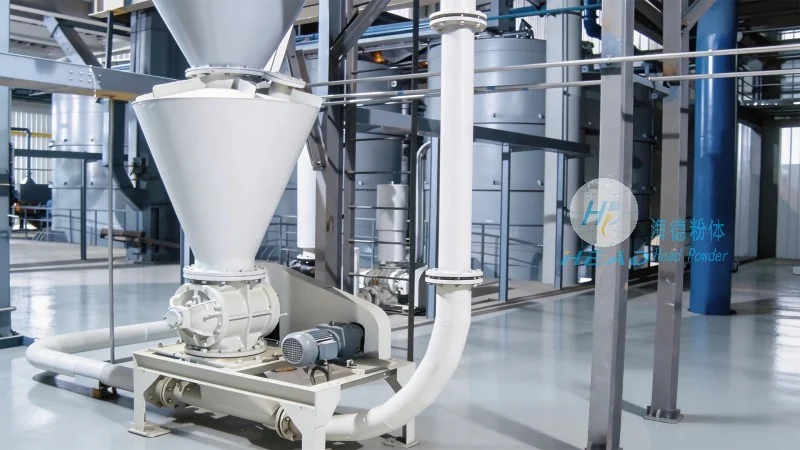
The feed system is the initial component of the pneumatic conveying structure, responsible for collecting and preparing the powdered coke for transport. In most systems, a hopper is used to store the coke powder, providing a consistent feed to the conveying equipment. The hopper is typically designed with a sloped bottom and a discharge valve or gate to control the flow of material. This structure ensures that the coke powder is evenly distributed and can be fed into the system at a controlled rate, preventing blockages and maintaining system efficiency. The hopper is often equipped with a level indicator to monitor the material level, which is crucial for operational management and preventing overfilling or underfilling.
2. Pneumatic Conveying Equipment
The core of the powdered coke pneumatic conveying system is the conveying equipment itself, which can be categorized into different types based on the pressure used. The most common types include positive pressure systems, where air is forced into the system to push the material, and negative pressure (or vacuum) systems, where air is drawn out to pull the material. The choice of system depends on factors such as the distance to be covered, the volume of material, and the characteristics of the coke powder. The conveying equipment typically includes a blower or compressor for positive pressure systems, or a vacuum pump for negative pressure systems. These devices generate the necessary airflow to move the coke powder through the system. The design of the conveying equipment must be robust and capable of handling the abrasive nature of coke powder, ensuring long-term reliability and minimal maintenance.
3. Conveying Pipeline and Fittings
The conveying pipeline is a critical structural element that forms the path through which the coke powder is transported. The pipeline is usually made of materials such as stainless steel or plastic, chosen for their resistance to corrosion and wear from the coke powder. The pipeline is installed with appropriate fittings, including elbows, tees, and reducers, to direct the flow of material and accommodate changes in direction or size. The design of the pipeline must consider the pressure requirements of the system and the potential for material buildup or blockages. Properly sized and installed fittings are essential to maintain the efficiency of the conveying system and prevent pressure losses or material degradation.
4. Separation and Collection System
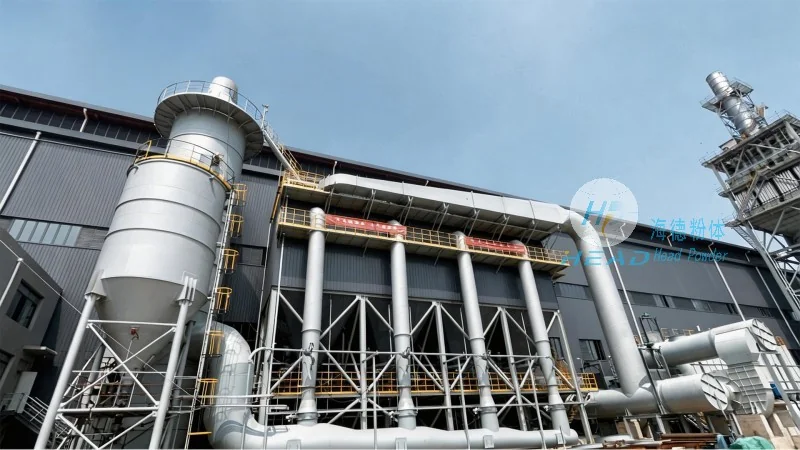
At the end of the conveying process, the coke powder needs to be separated from the air and collected for further use. The separation system typically includes a cyclone separator or a baghouse filter, which are designed to remove the powder from the air stream. The cyclone separator works by using centrifugal force to separate the heavier coke particles from the air, while the baghouse filter uses fabric bags to trap the particles. The separated coke powder is then collected in a storage bin or silo, ready for use. The separation system is an important part of the overall structure, as it ensures that the coke powder is recovered efficiently and that the air is cleaned before being released back into the environment. Proper maintenance of the separation equipment is crucial to maintain its performance and prevent dust emissions.
5. Control and Monitoring Systems
To ensure the smooth operation of the pneumatic conveying system, a control and monitoring system is essential. This system typically includes sensors and controls to monitor the pressure, flow rate, and material level in the system. The sensors provide real-time data that allows operators to adjust the system parameters as needed, ensuring optimal performance. The control system may also include alarms and safety features to prevent overpressure or other hazards. The monitoring system helps in identifying potential issues before they become major problems, reducing downtime and maintenance costs. The control and monitoring systems are integrated into the overall structure of the conveying system, providing a comprehensive approach to system management.
6. Material Handling and Storage
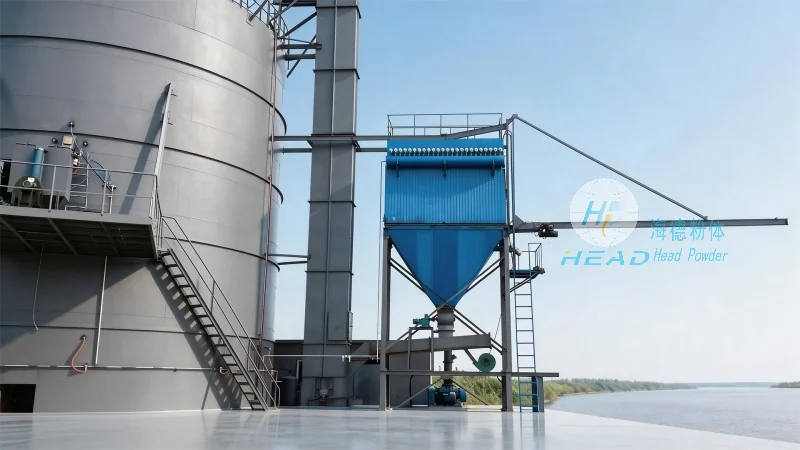
After the coke powder has been conveyed and separated, it needs to be handled and stored properly. The material handling equipment may include conveyors, elevators, or loaders, depending on the application. The storage system typically includes a silo or bin, which is designed to store the coke powder in a controlled environment. The storage system must be able to handle the volume of material and maintain its quality, preventing caking or degradation. The material handling and storage components are an integral part of the overall structure, ensuring that the coke powder is handled safely and efficiently from the point of collection to its final use.
7. Safety and Environmental Considerations
When designing a powdered coke pneumatic conveying system, safety and environmental considerations are paramount. The system must be designed to prevent dust explosions, which can be a serious hazard in industrial settings. This is typically achieved through the use of explosion-proof equipment and proper ventilation systems. The system must also comply with environmental regulations, ensuring that dust emissions are minimized and that the air is cleaned before being released. The safety and environmental features are integrated into the overall structure of the conveying system, providing a safe and sustainable operation.
8. Maintenance and Support
Regular maintenance is essential to ensure the long-term performance and reliability of the powdered coke pneumatic conveying system. The maintenance plan typically includes routine inspections, cleaning, and replacement of worn parts. The system should be designed with easy access to components for maintenance, reducing downtime and maintenance costs. The maintenance and support services are provided by Shandong HeadPowder Engineering Co., Ltd., a company with extensive experience in the design and installation of pneumatic conveying systems. The company offers comprehensive maintenance services, including on-site support and spare parts supply, to ensure that the system operates at its best.