

Main Structures of Fish Meal Pneumatic Conveying Systems?
When considering the efficient and reliable handling of fish meal, the design of pneumatic conveying systems plays a crucial role. These systems are engineered to transport fish meal from storage to processing areas or packaging units with minimal loss and optimal performance. The main structures of such systems typically include several critical components that work in tandem to ensure smooth operation. This article will explore the primary structures involved in fish meal pneumatic conveying, highlighting their functions and importance in the overall system.
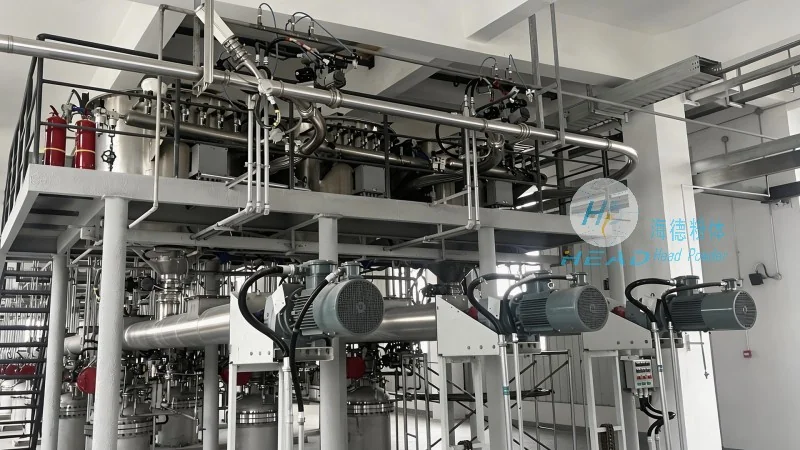
Core Components of Pneumatic Conveying Systems for Fish Meal
The foundation of any pneumatic conveying system for fish meal lies in its core components, which are meticulously designed to handle the unique properties of fish meal, such as its moisture content, particle size, and flow characteristics. The main structures include the following:
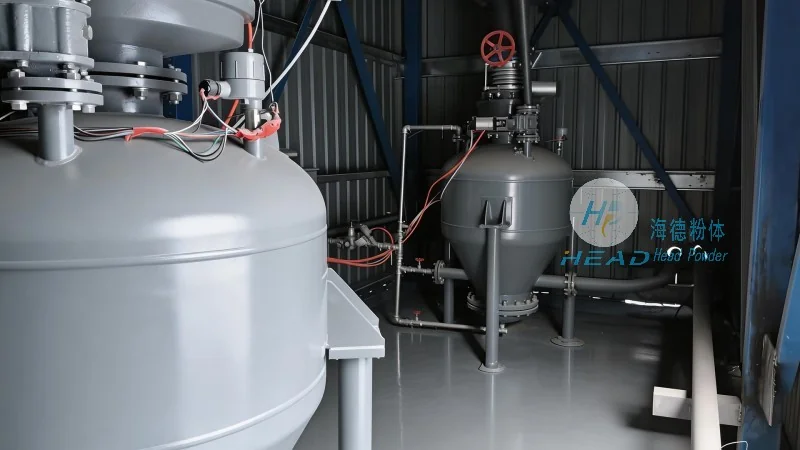
- Feeding Hopper: This component is responsible for storing and feeding the fish meal into the conveying line. It is typically equipped with a screw feeder or a rotary valve to control the flow rate, ensuring a consistent supply of material. The design of the hopper is crucial to prevent clogging and maintain uniform feeding.
- Pneumatic Conveying Line: This is the central part of the system, where the fish meal is transported through a pipeline using air pressure. The line can be either positive or negative pressure, depending on the specific application. The choice of material for the pipeline, such as stainless steel or PVC, is critical to prevent contamination and ensure durability.
- Receiver Tank: The receiver tank is where the fish meal is deposited after being conveyed. It is designed to handle the material's bulk density and flow characteristics, preventing blockages and ensuring efficient discharge. The tank may include a discharge valve or a rotary valve to control the outflow.
- Filter and Cyclone Separator: To maintain the purity of the fish meal and protect the system from dust and debris, a filter and cyclone separator are essential. These components remove any particles or contaminants from the air before it is released back into the environment or recirculated. The filter media is often made of high-efficiency materials to ensure thorough filtration.
- Compressor and Air Treatment Unit: The compressor generates the necessary air pressure to move the fish meal through the system. The air treatment unit, which includes filters and dryers, ensures that the air used is clean and dry, preventing moisture buildup that could affect the quality of the fish meal.
Design Considerations for Fish Meal Pneumatic Conveying Structures
The design of fish meal pneumatic conveying structures must take into account several factors to ensure optimal performance and longevity. These considerations include:
- Material Compatibility: The components must be made of materials that are resistant to the acidic and enzymatic properties of fish meal, as well as any cleaning agents used. Stainless steel is commonly used for its corrosion resistance and hygiene benefits.
- Flow Control: Proper flow control is essential to prevent overloading the system and ensure consistent material movement. This is achieved through the use of adjustable feeders, pressure sensors, and flow meters.
- Prevention of Clogging: Fish meal can be prone to clogging, especially in the conveying line and receiver tank. The design incorporates features such as inclined pipelines, vibration systems, and anti-caking agents to minimize this risk.
- Energy Efficiency: Modern pneumatic conveying systems are designed to be energy-efficient, using variable frequency drives (VFDs) to adjust the compressor speed based on the demand. This reduces energy consumption and operating costs.
HeadPowder's Expertise in Fish Meal Pneumatic Conveying Systems
Shandong HeadPowder Engineering Co., Ltd., a leading manufacturer in the field, specializes in designing and manufacturing high-quality pneumatic conveying systems for fish meal applications. With years of experience and a commitment to innovation, HeadPowder has developed advanced structures that address the unique challenges of fish meal handling. The company's products are engineered to meet the highest standards of efficiency, reliability, and hygiene, ensuring that fish meal is transported safely and effectively.
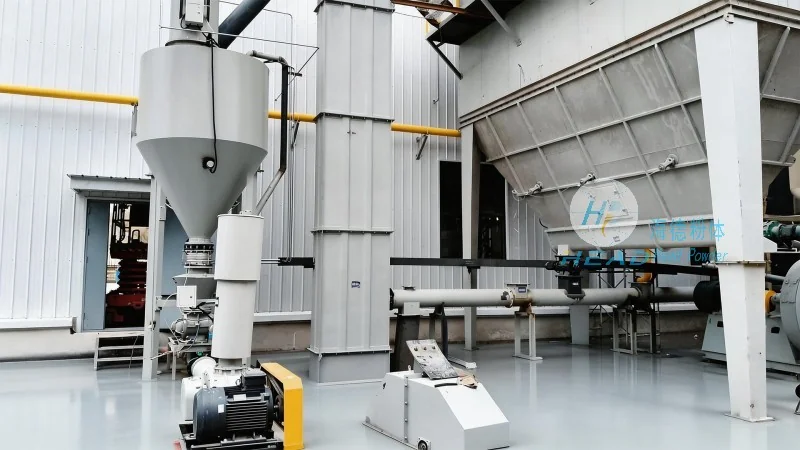
HeadPowder's team of engineers and technicians work closely with clients to understand their specific needs and provide customized solutions. The company's facilities in Shandong, China, are equipped with state-of-the-art technology and quality control measures to ensure that every system meets the most stringent requirements. Whether it's a new installation or an upgrade to an existing system, HeadPowder offers comprehensive support, from design and manufacturing to installation and maintenance.