

Main Structures of Soybean Meal Pneumatic Conveying Systems
When it comes to the efficient handling and transportation of soybean meal, the design and implementation of a reliable pneumatic conveying system are crucial. Such systems are integral to optimizing production processes in feed mills, food processing plants, and other industrial applications where soybean meal is a key ingredient. The effectiveness of these systems largely depends on the integration of several critical structural components that work in harmony to ensure smooth, low-damage, and energy-efficient material transport.
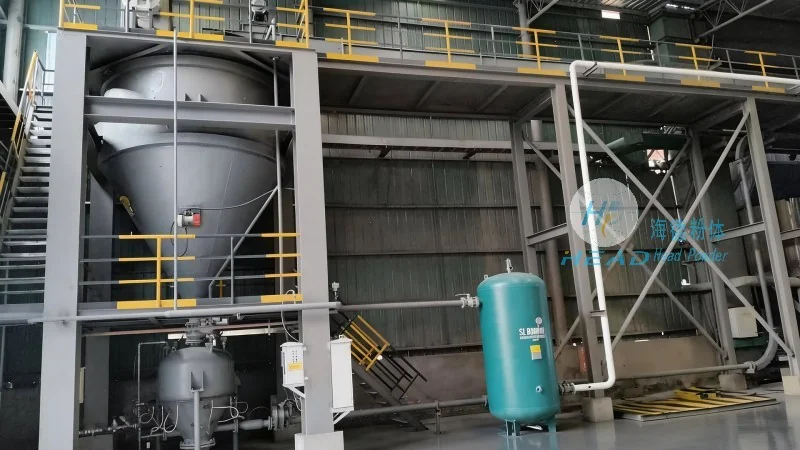
Key Structural Components of Soybean Meal Pneumatic Conveying Systems
At the heart of any pneumatic conveying system for soybean meal lies a series of interconnected components designed to handle the unique properties of the material. These components are engineered to minimize product degradation, maintain system efficiency, and ensure operational safety. The primary structures typically include the following:
1. Material Hopper and Feeding Mechanism
The initial stage of the conveying process begins with the material hopper, which serves as the storage and feeding unit for soybean meal. This component is designed to hold a sufficient quantity of the material to support continuous operation while preventing spillage or contamination. The feeding mechanism, often a rotary valve or a screw feeder, regulates the flow of soybean meal into the system. The design of the hopper and feeding mechanism is critical as it directly impacts the uniformity of material discharge and the overall system's flow rate. Properly sized and constructed, these components ensure that the material is introduced into the conveying line at a controlled rate, minimizing the risk of blockages or uneven flow.
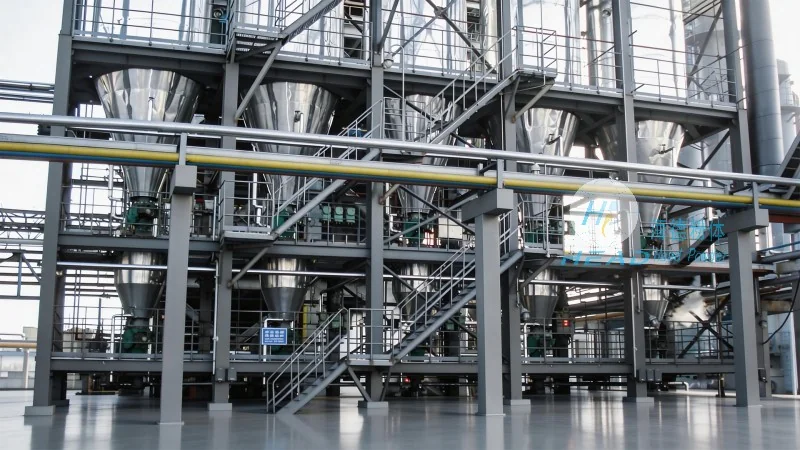
2. Conveying Line and Airflow Management
The conveying line itself is a central structural element that transports soybean meal through the system using compressed air. This line can be either a positive-pressure or negative-pressure system, depending on the specific application requirements. The choice of line material—such as stainless steel, aluminum, or plastic—depends on factors like the material's hygroscopic nature and the need for corrosion resistance. Airflow management components, including airlocks, filters, and pressure regulators, are integrated into the line to maintain consistent air pressure and prevent dust emissions. These components work together to ensure that the material is carried efficiently without excessive pressure drops or material degradation.
3. Separation and Collection Equipment
At the receiving end of the conveying system, separation and collection equipment are essential to complete the material transport process. These components include cyclones, bag filters, or dust collectors that separate the conveyed soybean meal from the air stream. The design of these units is critical to achieving high separation efficiency while minimizing energy consumption. Properly sized and maintained, these equipment pieces ensure that the final product is clean and free from contaminants, meeting quality standards for downstream applications. The collection hopper or silo attached to these units stores the processed soybean meal, ready for further processing or packaging.
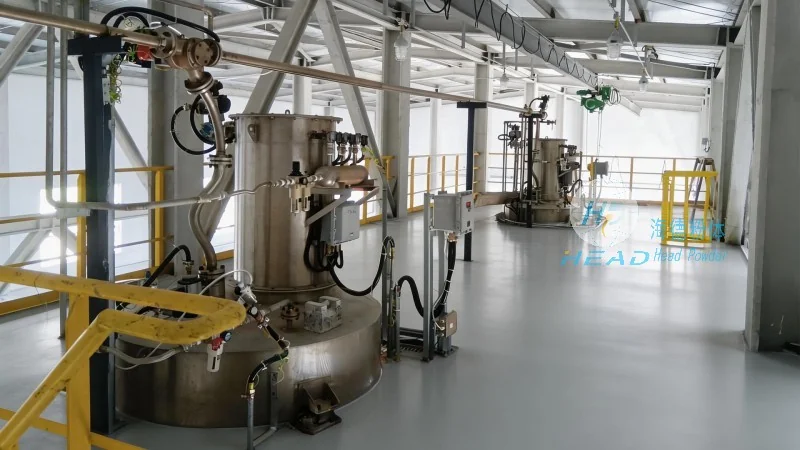
4. Control and Monitoring Systems
Modern pneumatic conveying systems for soybean meal are equipped with advanced control and monitoring systems to optimize performance and ensure operational safety. These systems typically include sensors for pressure, flow rate, and material level, as well as a control panel that allows operators to adjust system parameters in real-time. The integration of automation and digital controls enhances system efficiency, reduces downtime, and minimizes the risk of operational errors. By providing real-time data and alerts, these control systems help maintain consistent production rates and ensure that the conveying process operates within optimal parameters.
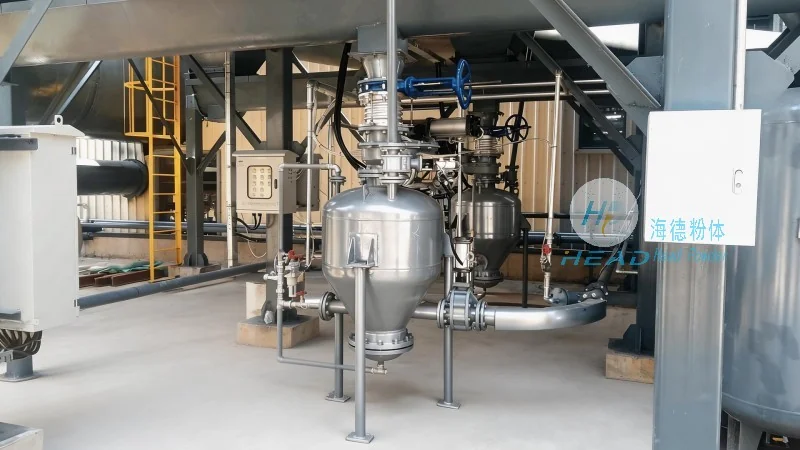
5. Safety and Maintenance Structures
Ensuring the safety of personnel and the longevity of the system requires the inclusion of safety and maintenance structures in the pneumatic conveying design. These components may include explosion-proof features, emergency shut-off valves, and access panels for routine maintenance. Regular maintenance is essential to prevent system failures and ensure consistent performance. The design of these structures adheres to industry safety standards, providing a secure working environment and extending the operational life of the equipment.
Shandong HeadPowder Engineering Co., Ltd., a leading provider of industrial conveying solutions, specializes in designing and manufacturing customized pneumatic conveying systems tailored to the specific needs of soybean meal processing facilities. With years of experience in the industry, the company's engineers work closely with clients to understand their operational requirements and develop solutions that enhance efficiency, reduce costs, and improve product quality. The company's commitment to quality and innovation has made it a trusted partner for businesses seeking reliable and efficient material handling systems.