

Principle and Working Scene Characteristics of Fine Powder Pneumatic Conveying Lines
For industrial applications that require the efficient and reliable transport of fine powders, pneumatic conveying systems offer a versatile solution. This article explores the fundamental principles behind fine powder pneumatic conveying lines and highlights the key working scene characteristics that define their performance and suitability across various industries.
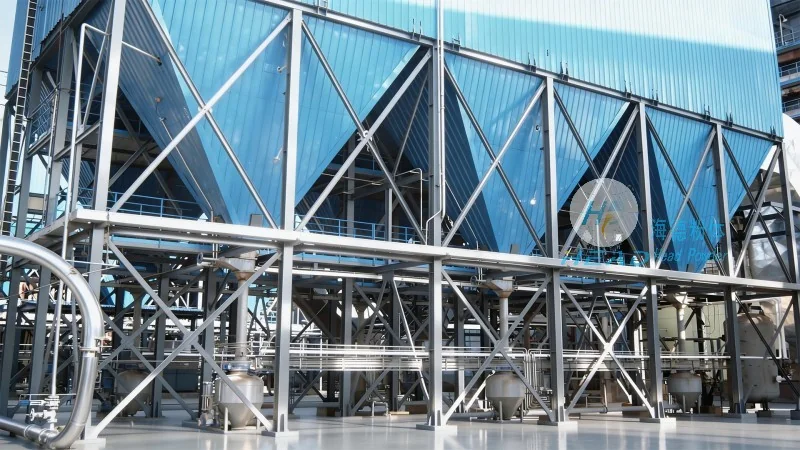
Understanding the Core Principle of Fine Powder Pneumatic Conveying
The principle of fine powder pneumatic conveying involves the use of compressed air or other gas to transport dry powder materials through a pipeline. Unlike mechanical conveying methods that rely on physical contact and friction, pneumatic systems utilize the kinetic energy of the gas to move particles. The process typically operates under negative pressure (suction) or positive pressure (blowing), with the choice depending on the specific material characteristics and the distance or obstacles involved in the transport path. The key components of a typical fine powder pneumatic conveying system include a feeding device, a conveying line, a separation and collection system, and a control unit. The feeding device ensures the powder is introduced into the system without causing blockages or uneven flow, while the conveying line transports the mixture of powder and gas. The separation and collection system then separates the powder from the gas, allowing the powder to be discharged at the destination and the gas to be recycled or vented. This closed-loop or semi-closed-loop operation minimizes material loss and environmental contamination, making it an environmentally friendly option for handling fine powders.
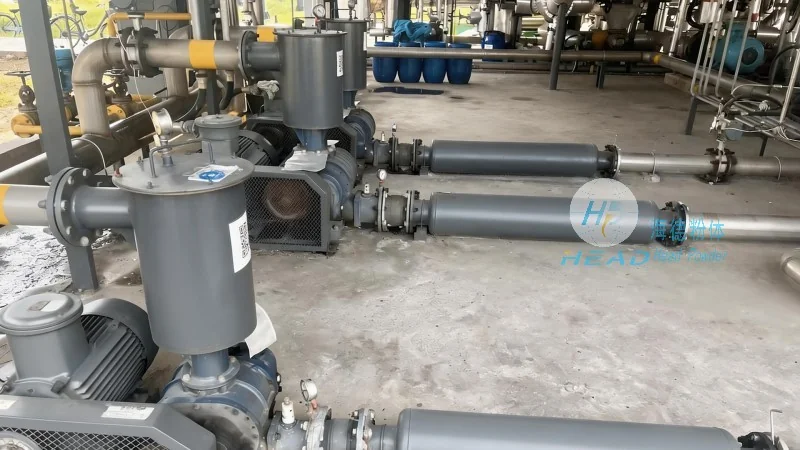
Key Working Scene Characteristics of Fine Powder Pneumatic Conveying Lines
The working scene characteristics of fine powder pneumatic conveying lines are critical in determining their effectiveness and applicability in different industrial settings. Several key factors influence the performance and suitability of these systems:
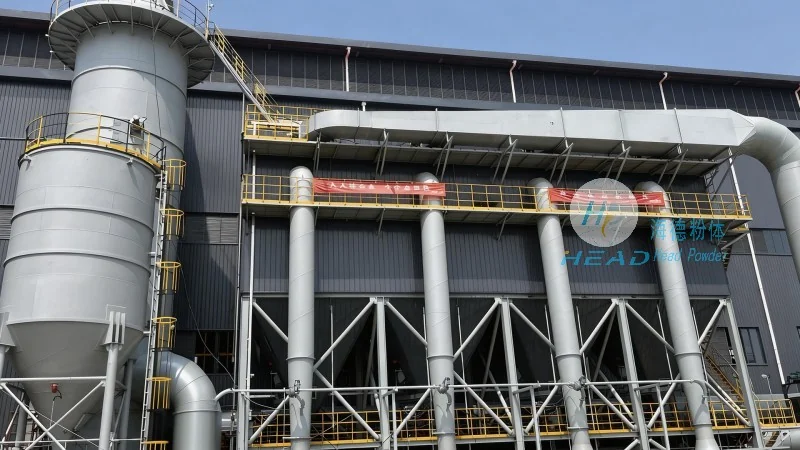
- Material Properties: The characteristics of the fine powder, such as particle size, density, moisture content, and flowability, significantly impact the conveying efficiency. Coarser or more cohesive powders may require higher air velocities or specialized equipment to prevent blockages. For example, powders with high moisture content might need additional drying steps before conveying to maintain flowability.
- Conveying Distance and Obstacles: The distance between the source and destination, as well as the presence of bends, changes in elevation, or vertical sections, affects the system design. Longer distances or complex layouts may necessitate the use of booster units or multiple stages to maintain sufficient pressure and prevent material deposition. The system's ability to handle vertical lifts is particularly important for applications where the powder needs to be elevated to higher levels.
- Environmental and Safety Considerations: Pneumatic conveying systems are often preferred for applications where dust control and environmental compliance are critical. By containing the powder within a sealed pipeline, these systems reduce dust emissions and minimize the risk of dust explosions. This is especially important for powders that are combustible or have hazardous properties. Additionally, the system's design can incorporate safety features such as pressure relief valves and emergency shut-off mechanisms to ensure safe operation.
- Energy Efficiency and Maintenance: The energy consumption of the pneumatic conveying system is influenced by factors like the air pressure, flow rate, and the length of the conveying line. Modern systems often use energy-efficient compressors and optimized pipeline designs to reduce operational costs. Regular maintenance, including cleaning of filters, checking for leaks, and inspecting components for wear, is essential to ensure consistent performance and extend the system's lifespan. The use of high-quality materials and components also contributes to lower maintenance requirements and longer service intervals.
Applications and Industries Where Fine Powder Pneumatic Conveying Lines Excel
Fine powder pneumatic conveying lines are widely used across various industries due to their adaptability and efficiency. Some of the key applications include:
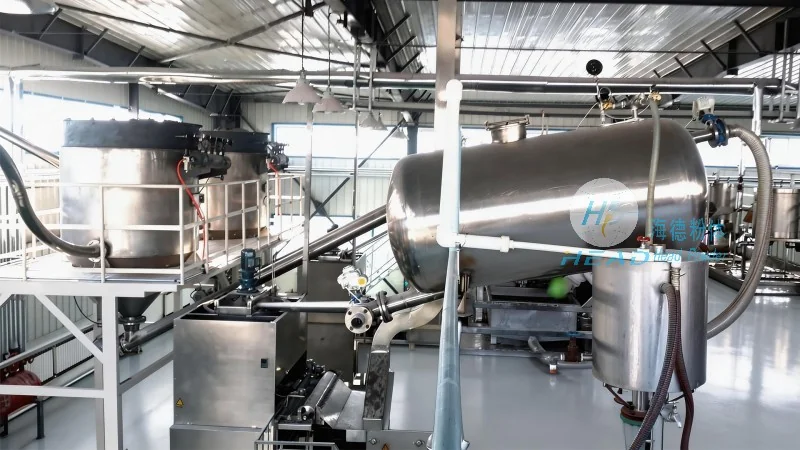
- Pharmaceutical Industry: In pharmaceutical manufacturing, the transport of fine powders such as active pharmaceutical ingredients (APIs), excipients, and raw materials requires strict contamination control and dust-free environments. Pneumatic conveying systems provide a clean and enclosed method to move these materials, ensuring product purity and compliance with regulatory standards.
- Food and Beverage Industry: For handling fine powders like flour, sugar, and other food additives, pneumatic conveying offers a hygienic and efficient solution. The sealed system prevents contamination from external sources and maintains the quality of the product. Additionally, the ability to handle moisture-sensitive materials without degradation makes it suitable for food processing applications.
- Chemical Industry: The chemical industry uses pneumatic conveying for transporting various fine powders, including chemicals, pigments, and catalysts. The system's ability to handle corrosive or hazardous materials, combined with its dust control features, makes it a preferred choice for chemical processing plants.
- Mineral and Mining Industry: In mining operations, fine powders such as ore concentrates, minerals, and tailings are commonly transported using pneumatic systems. The high capacity and ability to handle abrasive materials make these systems suitable for long-distance and heavy-duty applications in the mining sector.
Conclusion: The Role of Fine Powder Pneumatic Conveying Lines in Modern Manufacturing
Fine powder pneumatic conveying lines represent a critical technology for the efficient and safe transport of fine powders in modern industrial applications. By leveraging the principles of gas dynamics and particle movement, these systems offer a versatile solution that can adapt to various material characteristics and operational requirements. The working scene characteristics, including material properties, conveying distance, environmental considerations, and energy efficiency, play a crucial role in determining the optimal design and performance of the system. As industries continue to demand higher standards of efficiency, safety, and environmental compliance, the importance of fine powder pneumatic conveying lines is likely to grow. Companies like Shandong HeadPowder Engineering Co., Ltd., with their expertise in designing and manufacturing such systems, play a vital role in meeting these industry needs, providing reliable and effective solutions for the transport of fine powders across various sectors.