

Principle and Application Scenarios of Centralized Material Feeding Pneumatic Conveying Lines
Centralized material feeding systems employing pneumatic conveying technology have become a cornerstone in modern industrial material handling. These systems are engineered to efficiently transport bulk materials from various source points to a centralized processing or storage hub. The fundamental principle behind this technology is the utilization of air as the primary conveying medium, which propels material particles through a network of pipes under carefully regulated pressure conditions. This approach offers substantial benefits compared to conventional mechanical conveying methods, such as lower operational costs, reduced risk of material degradation, and enhanced workplace safety, especially when handling sensitive or hazardous substances.
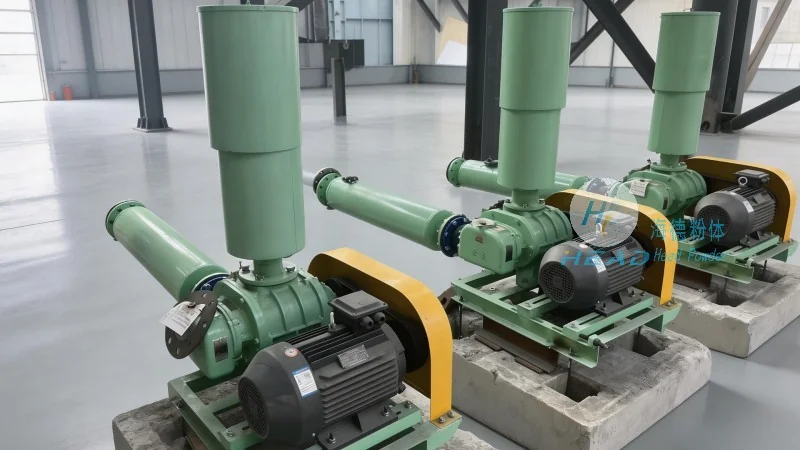
The Working Principle of Pneumatic Conveying Systems
The operation of centralized material feeding pneumatic conveying lines is based on the fundamental physics of fluid dynamics and particle movement. At its core, the system relies on creating a pressure differential to move material. In positive pressure systems, air is forced through the pipeline at a high velocity, carrying the material particles along with it. Conversely, negative pressure systems draw material into the pipeline by creating a vacuum at the receiving end. The choice between these two configurations depends on factors such as material properties, distance, and system layout. The system typically includes components like a feeding hopper, a conveying pipeline, a control valve, and a receiver or silo. The feeding hopper ensures a consistent material feed, while the control valve regulates the flow and pressure within the system. The pipeline network may vary in complexity, from simple straight runs to intricate networks with bends, branches, and expansion joints, all designed to maintain optimal air flow and material transport efficiency.
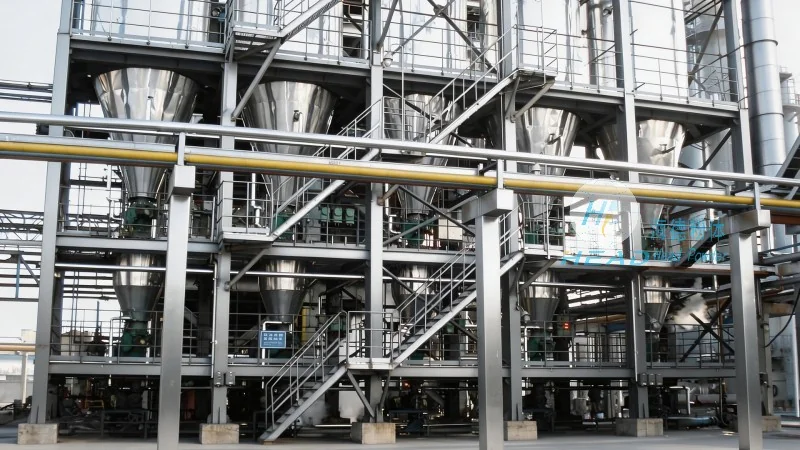
Key Features and Advantages of Centralized Material Feeding Systems
Centralized material feeding pneumatic conveying lines are characterized by several key features that make them highly effective in industrial applications. One of the most significant advantages is their ability to handle a wide range of materials, from fine powders to bulk solids, with minimal degradation. The enclosed pipeline system prevents contamination from external sources and reduces dust emissions, contributing to a cleaner working environment. Additionally, these systems offer flexibility in terms of layout, allowing for integration with existing production facilities without major structural modifications. The centralized design also facilitates better control and monitoring of material flow, enabling real-time adjustments to meet production demands. Furthermore, the system's scalability allows for expansion as production needs grow, making it a long-term investment for industrial operations.
Application Scenarios and Industry Use Cases
The versatility of centralized material feeding pneumatic conveying lines makes them suitable for a diverse array of industrial sectors. In the chemical industry, these systems are commonly used to transport raw materials like powders and granules to reactors and processing units, ensuring a steady supply without interruptions. The food and pharmaceutical industries benefit from the hygienic design of these systems, which minimizes contamination risks and maintains product integrity. In the mining and mineral processing sector, they are employed to transport ore and other bulk materials from storage to processing equipment, improving operational efficiency. The system's ability to handle abrasive materials without causing wear and tear on components also makes it ideal for applications in the cement and construction materials industry. Each application scenario is tailored to meet specific operational requirements, such as material type, processing speed, and environmental considerations, ensuring optimal performance.
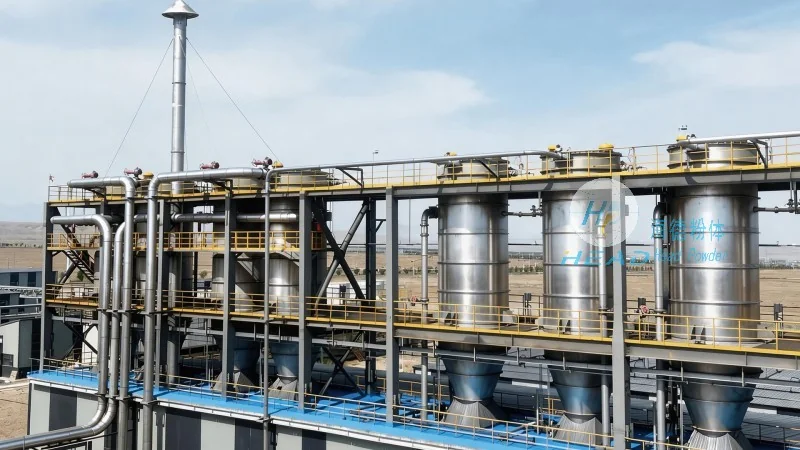
Conclusion: The Role of Centralized Material Feeding Systems in Modern Manufacturing
Centralized material feeding pneumatic conveying lines represent a sophisticated solution to the challenges of efficient material handling in modern industrial settings. By leveraging pneumatic technology, these systems offer significant advantages in terms of cost-effectiveness, safety, and material integrity. As industries continue to evolve and demand higher efficiency and precision, the importance of such systems will only grow. The integration of advanced control systems and monitoring technologies further enhances their capabilities, enabling real-time optimization and predictive maintenance. For businesses seeking to streamline their material handling processes and improve overall operational efficiency, centralized material feeding pneumatic conveying lines from Shandong HeadPowder Engineering Co., Ltd. provide a reliable and effective solution. With a commitment to quality and innovation, HeadPowder has established itself as a leading provider of material handling solutions, serving clients across various industries with tailored systems that meet their specific needs.