

Principle and Working Scene Characteristics of Low-Pressure Continuous Pneumatic Conveying Systems
Shandong HeadPowder Engineering Co., Ltd., commonly known as HeadPowder, is a professional manufacturer and supplier of pneumatic conveying equipment. Based in Shandong, China, the company specializes in the design, development, and production of low-pressure continuous pneumatic conveying systems, offering reliable solutions for bulk material handling in various industries.
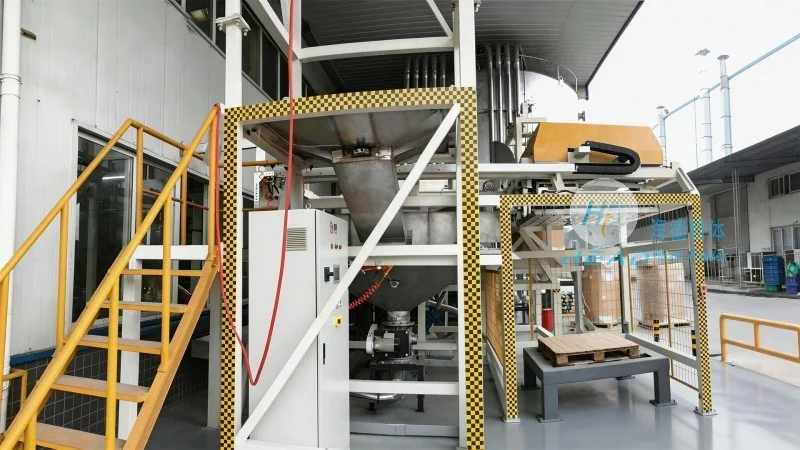
Principle of Low-Pressure Continuous Pneumatic Conveying Systems
Low-pressure continuous pneumatic conveying systems operate on the fundamental principle of using air as the conveying medium to transport bulk materials from one location to another. Unlike high-pressure systems that rely on high velocity air streams, low-pressure systems typically maintain air pressures between 0.5 to 2 bar, making them energy-efficient and suitable for long-distance or large-scale material transport. The system consists of a series of components, including a material feed hopper, a rotary airlock valve, a conveying pipeline, and a receiver or discharge point. The material is fed into the system through the hopper, and a rotary airlock valve controls the flow of material into the pipeline. Compressed air is then introduced into the pipeline, creating a low-pressure environment that lifts and propels the material particles along the pipeline. The air and material mixture travels through the pipeline, and the material is separated from the air at the receiver end, often through a cyclone separator or a filter, while the air is typically recirculated or vented to the atmosphere.
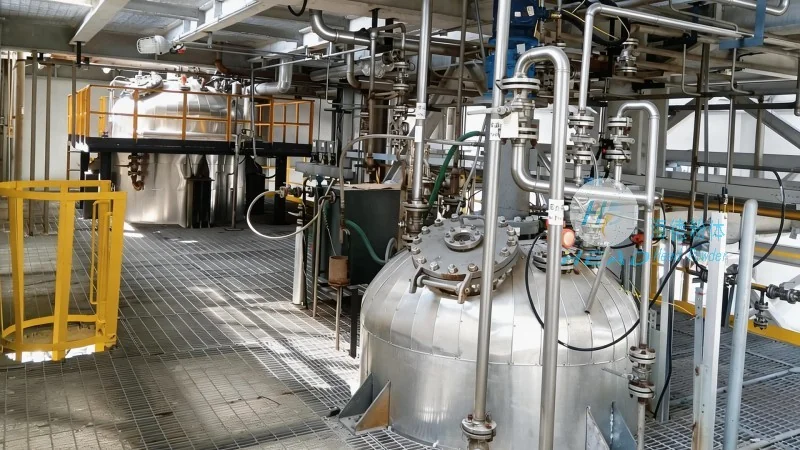
Working Scene Characteristics of Low-Pressure Continuous Pneumatic Conveying Systems
The working scene characteristics of low-pressure continuous pneumatic conveying systems are tailored to meet the demands of diverse industrial applications. These systems are particularly advantageous in scenarios where materials need to be transported over long distances or through complex layouts, such as in chemical, food, pharmaceutical, and cement industries. The continuous operation of these systems ensures a steady flow of material, reducing downtime and increasing productivity. Additionally, low-pressure systems are known for their gentle handling of materials, minimizing product degradation and preserving the quality of sensitive items like food powders or pharmaceuticals. The flexibility of the conveying pipeline allows for easy integration into existing production lines, enabling seamless material transfer without the need for extensive modifications to the facility. Furthermore, the low-pressure operation reduces the risk of equipment damage and maintenance costs, as the system operates at lower pressures compared to high-pressure alternatives.
Key Features and Advantages in Practical Applications
In practical applications, low-pressure continuous pneumatic conveying systems from HeadPowder exhibit several key features that enhance their performance and reliability. One of the primary advantages is the ability to handle a wide range of materials, including powders, granules, and even bulk solids with varying particle sizes and densities. The system's design allows for the adjustment of air flow rates and pressure levels to optimize material transport efficiency, ensuring that different materials are conveyed effectively without clogging or degradation. The use of high-quality materials for the conveying pipeline and components ensures durability and resistance to corrosion, extending the service life of the equipment. Moreover, the continuous operation mode provides consistent material flow rates, which is crucial for maintaining production continuity in industries where uninterrupted material supply is essential. The integration of advanced control systems allows for real-time monitoring of the conveying process, enabling operators to adjust parameters dynamically and respond to changes in material conditions or system performance. This level of control enhances operational efficiency and reduces the likelihood of system failures or material loss.
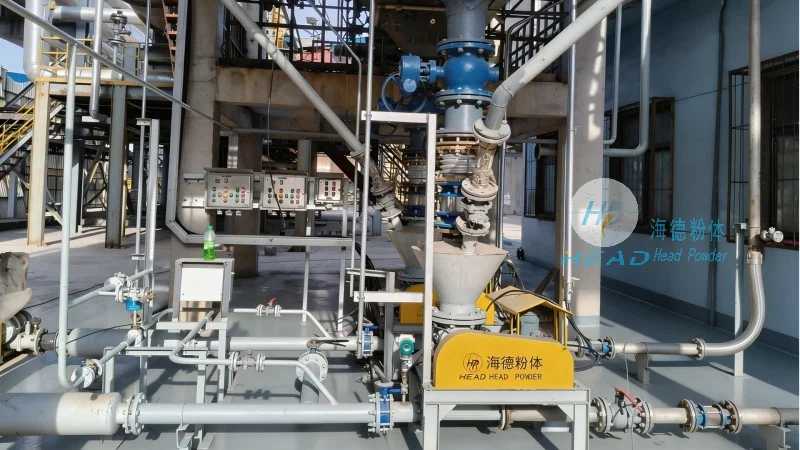
Technical Specifications and Customization Options
HeadPowder offers a range of technical specifications and customization options to suit specific application requirements. The conveying capacity of low-pressure systems can be adjusted based on the material type, particle size, and desired transport distance. For instance, systems can be designed to handle capacities ranging from a few kilograms per hour to several tons per hour, depending on the industry and material characteristics. The pipeline diameter and length are also customizable to accommodate different layout configurations and material transport needs. The company provides detailed engineering support to ensure that the system is optimized for the specific operational conditions, including considerations for air consumption, energy efficiency, and maintenance requirements. Additionally, the integration of safety features, such as pressure relief valves and material flow indicators, ensures compliance with industry standards and enhances operational safety. The customization options also extend to the receiver and discharge equipment, allowing for seamless integration with existing storage or processing equipment. This flexibility enables HeadPowder to deliver tailored solutions that meet the unique needs of each client, ensuring optimal performance and reliability in their material handling processes.