

Working Principle and Features of Biomass Pellet Material Pneumatic Conveying Equipment
HeadPowder, a leading manufacturer based in Shandong, China, specializes in the design and production of advanced pneumatic conveying systems for biomass pellet materials. This article provides an in-depth look at the working principle and key features of such equipment, highlighting its efficiency and reliability in material handling applications.
Understanding the Working Principle of Biomass Pellet Pneumatic Conveying Equipment
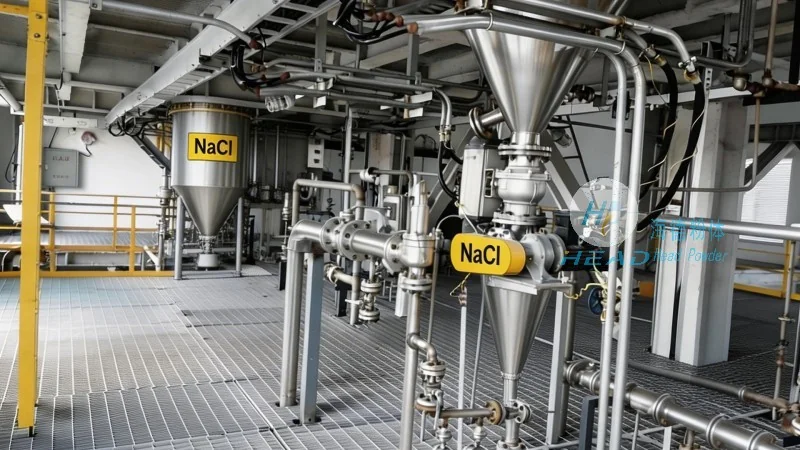
The core function of a biomass pellet pneumatic conveying system is to transport bulk materials like wood pellets, agricultural residues, or other organic pellets through a pipeline using a combination of air and pressure. The system typically operates on the principle of creating a pressure differential between the inlet and outlet of the pipeline. A blower or compressor generates high-pressure air, which is then introduced into the material feed point. The air flows through the pipeline, carrying the biomass pellets along with it. The velocity of the air is carefully controlled to ensure the pellets are suspended and transported without causing blockages or excessive wear on the system components.
There are two main types of pneumatic conveying systems used for biomass pellets: dilute-phase and dense-phase. Dilute-phase systems operate at higher air velocities, typically moving materials at a low concentration, making them suitable for long-distance or high-velocity applications. Dense-phase systems, on the other hand, use lower air velocities and higher material concentrations, which is ideal for transporting sensitive materials or when minimal material degradation is required. The choice between these systems depends on the specific characteristics of the biomass pellets, the distance to be covered, and the desired throughput.
Key Features of Biomass Pellet Pneumatic Conveying Equipment
HeadPowder's biomass pellet pneumatic conveying equipment is engineered with several notable features that enhance performance and durability. One of the primary advantages is its ability to handle a wide range of biomass pellet sizes and densities, ensuring consistent and efficient material transport. The equipment is designed with robust materials, such as stainless steel or corrosion-resistant alloys, to withstand the abrasive nature of biomass pellets and the potential presence of moisture or dust.
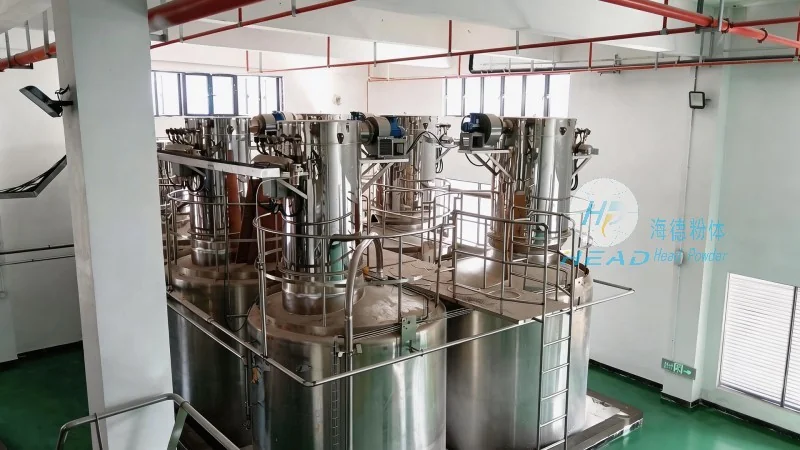
Another significant feature is the system's flexibility in terms of layout and integration. It can be customized to fit various industrial settings, including processing plants, storage facilities, and transportation networks. The modular design allows for easy installation and maintenance, reducing downtime and operational costs. Additionally, the equipment incorporates advanced control systems that monitor pressure, flow rate, and material level in real-time, providing operators with precise control over the conveying process.
Energy efficiency is also a key consideration in the design of these systems. By optimizing air velocity and pressure, HeadPowder's equipment minimizes energy consumption while maintaining high throughput. This not only reduces operational costs but also aligns with sustainability goals, as biomass is a renewable energy source. The system's low maintenance requirements further contribute to its cost-effectiveness, with components designed for long service life and easy replacement.
Applications and Benefits in Industrial Settings
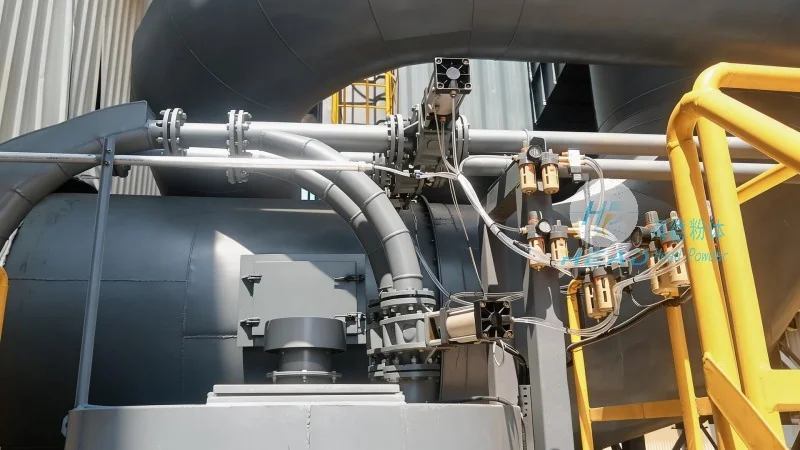
Biomass pellet pneumatic conveying equipment is widely used in various industries, including bioenergy, agriculture, and manufacturing. In bioenergy plants, it efficiently transports biomass pellets from storage to boilers or gasifiers, ensuring a steady supply of fuel. In agricultural processing facilities, it handles residues like corn cobs or straw, facilitating their conversion into pellets for animal feed or energy production. The equipment's ability to handle abrasive materials without causing wear or damage makes it suitable for applications where material integrity is critical.
The benefits of using pneumatic conveying systems extend beyond efficiency and durability. They offer a hygienic and dust-free method of material transport, which is essential in food processing and pharmaceutical industries. Unlike mechanical conveyors, which can cause material breakage or contamination, pneumatic systems maintain the quality and purity of the biomass pellets. This is particularly important when the pellets are intended for human consumption or industrial applications where quality control is paramount.
Furthermore, the system's compact design and ability to operate in confined spaces make it ideal for facilities with limited floor space. The reduced need for manual handling also enhances workplace safety, as operators are not exposed to the physical labor of moving heavy or bulky biomass pellets. Overall, the combination of performance, reliability, and adaptability makes HeadPowder's biomass pellet pneumatic conveying equipment a preferred choice for modern industrial applications.