

[W]Working Principle and Features of Phosphorus Pentachloride Material Pneumatic Conveying Equipment
Phosphorus pentachloride (PCl₅) is a highly reactive and corrosive chemical compound widely used in various industrial applications, including pharmaceuticals, agrochemicals, and specialty chemicals. The safe and efficient handling of PCl₅ is crucial due to its hazardous nature. Pneumatic conveying systems have emerged as a reliable solution for transporting PCl₅, offering advantages over traditional methods such as mechanical conveyors or bulk handling equipment.
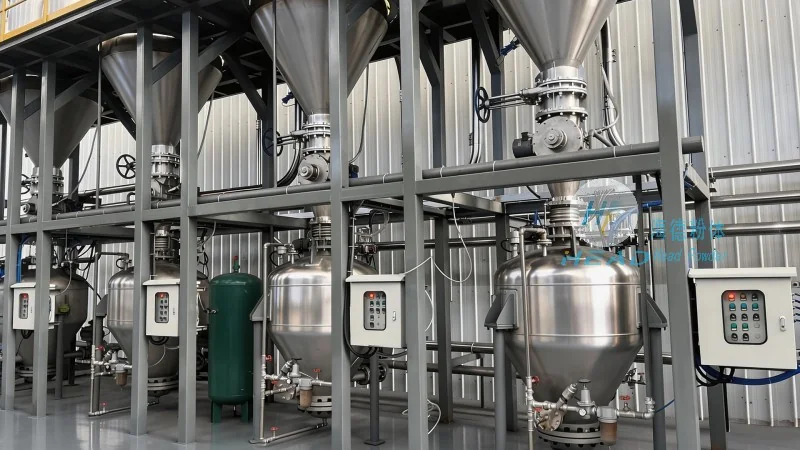
Introduction to Pneumatic Conveying Systems for PCl₅
Shandong HeadPowder Engineering Co., Ltd., a leading manufacturer in the field of powder handling technology, specializes in designing and manufacturing advanced pneumatic conveying equipment tailored for handling hazardous and sensitive materials like phosphorus pentachloride. The company, often referred to as HeadPowder, is headquartered in Shandong, China, and has established a strong reputation for delivering high-quality, customized solutions that meet stringent safety and operational standards.
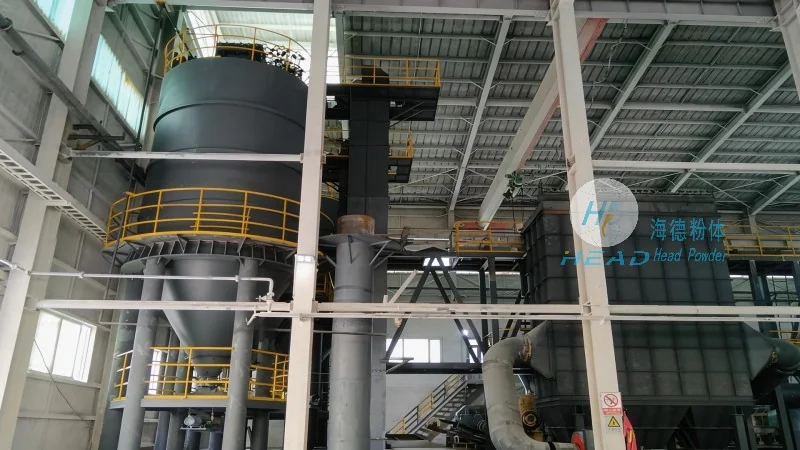
Working Principle of PCl₅ Pneumatic Conveying Equipment
The core of a pneumatic conveying system for PCl₅ involves the use of a pressurized air stream to transport the material from the source to the destination. The process typically begins with the material being fed into a hopper or feeder, where it is then introduced into a pipeline. A fan or blower generates a high-pressure air flow that propels the PCl₅ particles through the system. The equipment may include components such as a rotary valve, a filter, and a receiver, ensuring efficient and controlled transport. The air velocity and pressure are carefully controlled to prevent material degradation, clogging, or loss of product quality.
Key Features of the Pneumatic Conveying System
HeadPowder's PCl₅ pneumatic conveying equipment is designed with several key features that enhance performance and safety. Firstly, the system incorporates robust corrosion-resistant materials, such as stainless steel or specialized coatings, to withstand the aggressive nature of PCl₅ and prevent equipment damage. Secondly, the design includes advanced control systems that monitor air pressure, flow rates, and material levels in real-time, ensuring optimal operation and preventing overloading or underflow. Thirdly, the equipment is equipped with safety features like explosion-proof designs and emergency shut-off valves to mitigate risks associated with handling hazardous chemicals. Additionally, the system is engineered for minimal product degradation, maintaining the purity and quality of PCl₅ during transport. The modular design allows for easy integration into existing production lines and facilitates maintenance and cleaning processes.
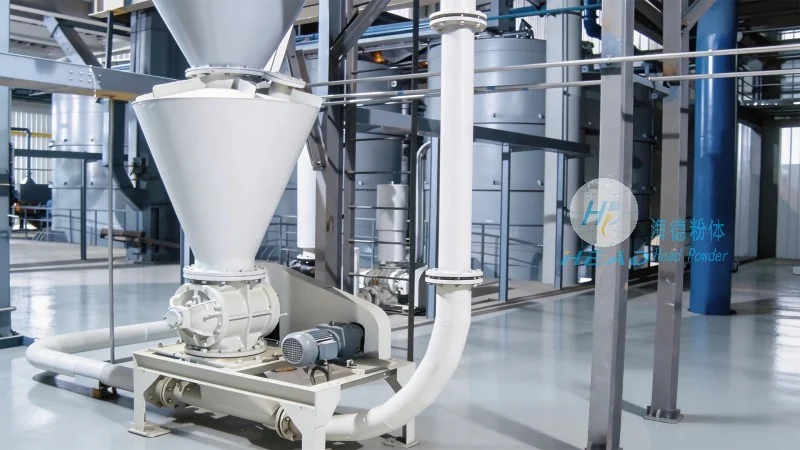
Advantages of Using Pneumatic Conveying for PCl₅ Handling
Compared to traditional handling methods, pneumatic conveying offers several advantages for PCl₅ transportation. The primary benefit is the ability to handle PCl₅ in a closed system, reducing exposure risks to operators and minimizing environmental contamination. The system also provides a high degree of flexibility, allowing for horizontal, vertical, or complex path transport without the need for multiple transfer points. Furthermore, the equipment can handle varying material flow rates and particle sizes, making it suitable for different production scales. The low maintenance requirements and long service life of the system contribute to cost savings over time. Overall, the pneumatic conveying system from HeadPowder provides a reliable, efficient, and safe solution for the handling of phosphorus pentachloride in industrial applications.