

Working Principle and Features of a Gas-Pneumatic Salt Material Handling System
Gas-pneumatic salt material handling systems represent a sophisticated approach to transporting bulk salt efficiently and reliably. These systems are designed to handle the unique properties of salt, such as its granular structure and potential for dust generation, while ensuring minimal environmental impact and operational efficiency. The technology behind these systems leverages compressed air to move salt from storage or processing areas to various destinations within a facility or across different locations.
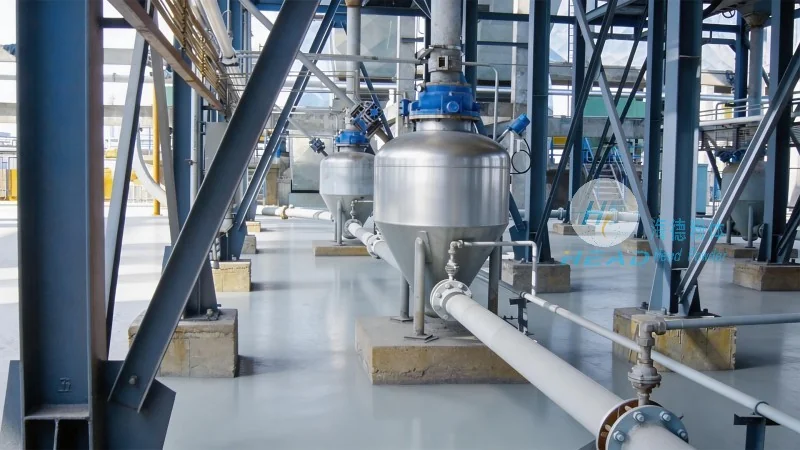
Overview of Gas-Pneumatic Salt Handling Systems
A gas-pneumatic salt material handling system is a type of pneumatic conveying system that uses compressed air to transport dry, granular materials like salt. Unlike traditional mechanical conveyors, which rely on mechanical components like belts or screws, pneumatic systems utilize air pressure to move material through a network of pipes. This method is particularly advantageous for salt due to its fine particle size and the need to prevent contamination or loss during transport.
The Working Principle of a Gas-Pneumatic Salt System
The core mechanism of a gas-pneumatic salt handling system involves several key steps. First, the salt is fed into a hopper or storage bin. From there, it is drawn into a conveying line by a vacuum or pressure source, depending on the system design. Compressed air is introduced into the system, creating a flow that propels the salt particles through the pipes. The air and salt mixture travels through the pipeline network, with the air providing the necessary force to overcome friction and gravity. At the destination point, the air is separated from the salt, typically through a cyclone separator or a filter, allowing the salt to be discharged while the air is either recirculated or vented. This process ensures that the salt is transported without the need for physical contact with the conveying equipment, reducing wear and tear and minimizing the risk of contamination.
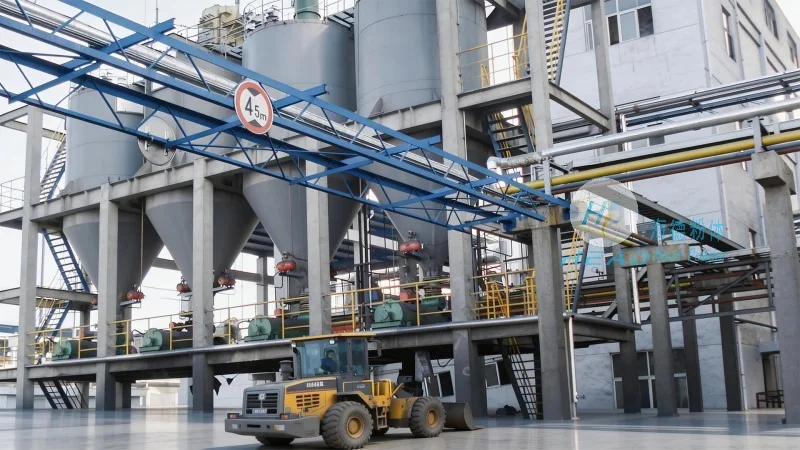
Key Features and Advantages of Gas-Pneumatic Salt Systems
Gas-pneumatic salt material handling systems offer several distinct advantages that make them ideal for industrial applications. One of the primary benefits is their ability to handle fine, dusty materials like salt without the need for complex filtration or dust suppression systems. The enclosed pipeline design prevents dust from escaping into the environment, ensuring compliance with environmental regulations and maintaining a clean working environment. Additionally, these systems are highly flexible, allowing for easy reconfiguration of the conveying network to accommodate changes in production processes or facility layout. They also provide a high degree of automation, reducing the need for manual labor and improving overall operational efficiency. Another key feature is the low maintenance requirement compared to mechanical conveyors, as there are fewer moving parts and less wear from friction. This translates to lower long-term operational costs and increased system reliability.
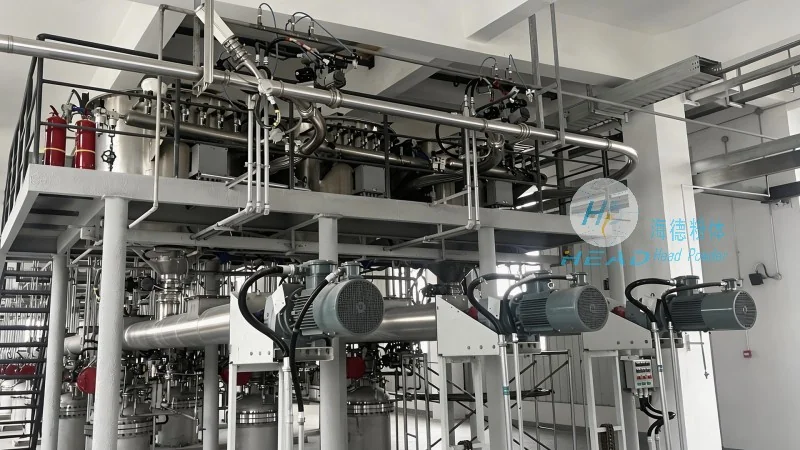
Application Scenarios and Operational Considerations
Gas-pneumatic salt handling systems are commonly used in various industrial settings, including salt production facilities, food processing plants, and chemical processing plants. They are particularly suitable for applications where salt needs to be transported over long distances or through multiple levels within a facility. Operational considerations for these systems include the selection of appropriate air pressure and flow rates to ensure efficient transport without excessive energy consumption. The design of the system must also account for the potential for salt buildup in the pipes, which can affect flow rates and require regular cleaning or anti-caking measures. Proper maintenance, including regular inspection of air filters and pipeline components, is crucial to maintain system performance and prevent downtime.
Conclusion and Company Information
Gas-pneumatic salt material handling systems represent a reliable and efficient solution for transporting bulk salt in industrial applications. By leveraging compressed air to move material through an enclosed pipeline network, these systems offer advantages such as minimal contamination, high flexibility, and low maintenance. For companies seeking to implement or upgrade their salt handling infrastructure, Shandong HeadPowder Engineering Co., Ltd. provides expert design, manufacturing, and installation services. With a focus on quality and customer satisfaction, HeadPowder delivers customized solutions tailored to the specific needs of each project, ensuring optimal performance and long-term reliability. Based in Shandong, China, HeadPowder has extensive experience in the engineering and construction of material handling systems, including gas-pneumatic solutions for various bulk materials. Their commitment to innovation and adherence to industry standards ensures that clients receive top-tier equipment and support throughout the project lifecycle.