

Working Principle and Features of Bicarbonate of Soda Material Pneumatic Conveying System
Bicarbonate of soda, also known as sodium bicarbonate, is a widely used chemical in various industries due to its versatility and effectiveness. When it comes to handling and transporting this material efficiently, a pneumatic conveying system offers a reliable solution. This article explores the working principle and key features of such a system, highlighting how it enhances material handling processes in industrial applications.
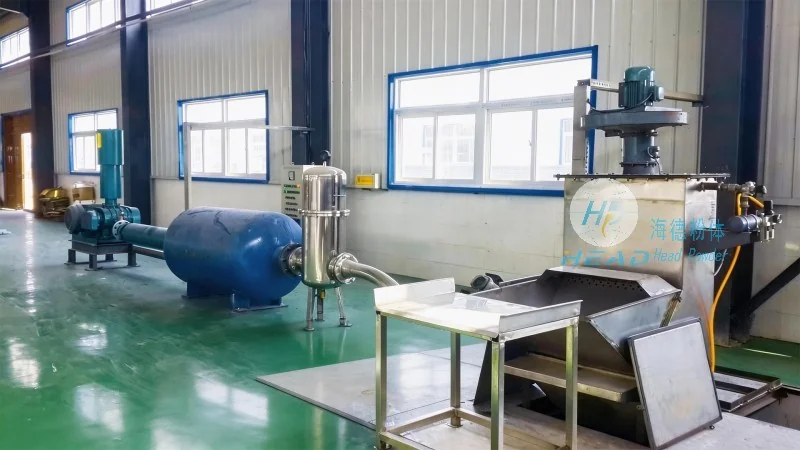
The Working Principle of the Bicarbonate of Soda Pneumatic Conveying System
The core of a pneumatic conveying system for bicarbonate of soda involves the use of air or gas to transport the material from a source to a destination. The process typically begins with the material being fed into a hopper or storage container. From there, the material is drawn into a pipeline by a vacuum or pressure system. The system uses compressed air or a vacuum to create the necessary force to move the material through the pipeline. As the material travels, it is carried by the air stream, which ensures that the material is transported without the need for mechanical components like belts or buckets. This method is particularly effective for handling fine powders and granules, as it minimizes the risk of material degradation and contamination.
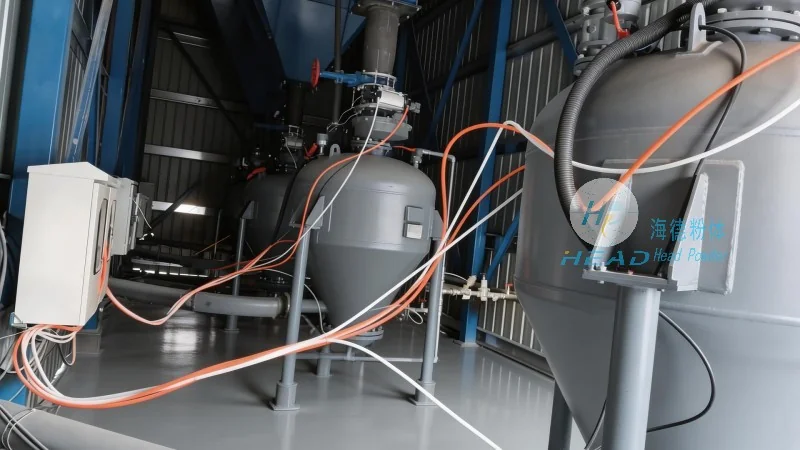
Key Features of the Bicarbonate of Soda Pneumatic Conveying System
Several notable features make the pneumatic conveying system an ideal choice for transporting bicarbonate of soda. First, it provides a clean and hygienic method of material transport, which is crucial in industries where product purity is paramount. The system is designed to prevent cross-contamination and maintain the integrity of the material, ensuring that it remains free from dust or other impurities. Second, it offers high efficiency and flexibility in terms of material handling. The system can be easily adjusted to handle different volumes and types of material, making it suitable for various production scales. Third, it reduces labor costs and operational downtime compared to traditional methods, as there are fewer mechanical parts that require maintenance. Additionally, the system is energy-efficient, as it uses compressed air or vacuum to move the material, which is more economical than other transport methods.
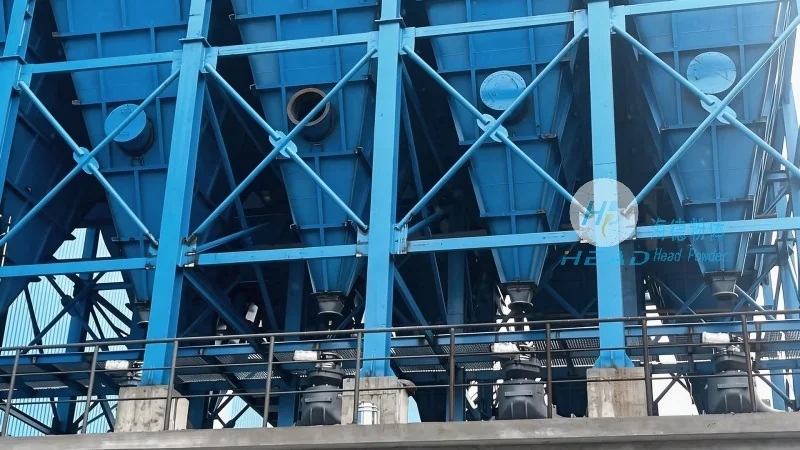
Application and Benefits in Industrial Settings
The pneumatic conveying system for bicarbonate of soda is widely used in industries such as food processing, pharmaceuticals, and chemical manufacturing. In these sectors, the system ensures that the material is transported safely and efficiently, meeting the stringent quality and safety standards required. The benefits of using this system include improved product quality, reduced waste, and enhanced operational efficiency. By minimizing the risk of material degradation and contamination, the system helps maintain the high standards of the final product. Moreover, the system's flexibility allows it to be integrated into existing production lines without major modifications, making it a cost-effective solution for businesses looking to upgrade their material handling processes.