

Working Principle and Features of High-Temperature Ash Material Conveying Systems
High-temperature ash material conveying systems are critical components in industrial applications, particularly in power plants and other facilities that generate large volumes of ash from combustion processes. These systems are designed to handle the unique challenges posed by high-temperature, abrasive, and potentially hazardous ash materials, ensuring efficient and safe transportation from the source to disposal or processing points. Understanding the working principle and key features of such systems is essential for optimizing operational efficiency and maintaining safety standards in industrial environments.
Working Principle of High-Temperature Ash Material Conveying Systems
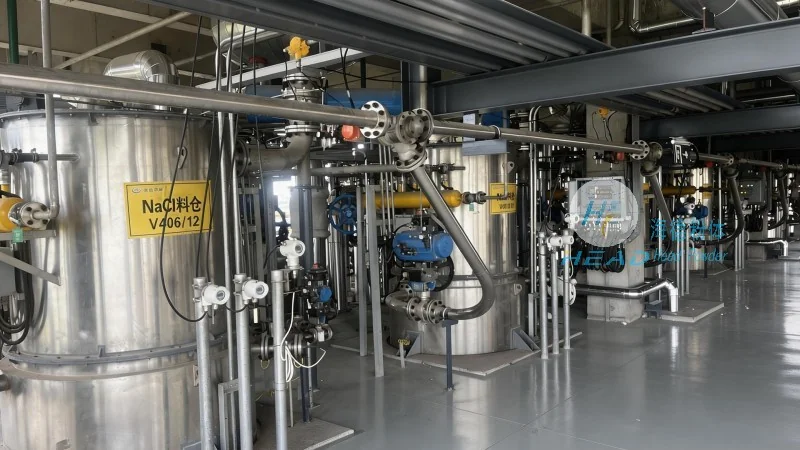
The core working principle of high-temperature ash material conveying systems revolves around the use of specialized equipment that can withstand extreme temperatures and handle the physical properties of ash. Typically, these systems employ a combination of components including ash feeders, high-temperature conveyors (such as belt conveyors or screw conveyors), and temperature control mechanisms. The process begins with the ash being collected from the boiler or other combustion sources and fed into the system via ash feeders. These feeders ensure a consistent flow of material into the conveyor, which then transports the ash to the desired location. High-temperature conveyors are engineered with heat-resistant materials and insulation to prevent heat loss and protect the equipment from thermal damage. Additionally, the system may include temperature sensors and control systems to monitor and regulate the temperature of the conveyed material, ensuring it remains within safe operating limits. The entire process is designed to be continuous and automated, minimizing human intervention and maximizing operational reliability.

Key Features of High-Temperature Ash Material Conveying Systems
High-temperature ash material conveying systems are characterized by several key features that enhance their performance and adaptability to industrial needs. One of the primary features is the use of durable, heat-resistant materials in the construction of conveyor components. This includes the use of stainless steel, high-temperature alloys, and specialized coatings that can withstand temperatures up to 500°C or higher, depending on the system design. The conveyors are also equipped with robust drive systems and heavy-duty bearings to handle the abrasive nature of ash, reducing wear and tear and extending the service life of the equipment. Another important feature is the integration of temperature control and monitoring systems. These systems use sensors to continuously measure the temperature of the conveyed material and the equipment itself, providing real-time data to operators. This allows for immediate adjustments to be made if temperatures exceed safe limits, preventing equipment failure and ensuring the safety of personnel. Furthermore, the systems are designed for high efficiency and low maintenance. Advanced engineering and materials selection minimize energy consumption while maximizing the throughput of ash, making them cost-effective solutions for industrial applications. The modular design of many high-temperature ash conveying systems also allows for easy maintenance and replacement of components, reducing downtime and operational costs.
Applications and Benefits in Industrial Settings
High-temperature ash material conveying systems find wide applications in various industrial sectors, including thermal power plants, cement factories, and waste-to-energy facilities. In power plants, these systems are crucial for transporting fly ash and bottom ash from the boiler to storage silos or disposal sites. The efficient operation of these systems directly impacts the overall efficiency of the power generation process, as any delays or inefficiencies in ash removal can lead to reduced plant capacity and increased operational costs. In cement factories, ash is often used as a raw material or fuel, and the conveying system ensures a steady supply of ash to the production lines. The benefits of using high-temperature ash conveying systems extend beyond operational efficiency. They also contribute to improved safety by minimizing the risk of ash spills and exposure to high temperatures. The enclosed design of many systems prevents dust and ash from escaping into the environment, reducing the risk of respiratory issues and other health hazards for workers. Additionally, the systems help in maintaining environmental compliance by ensuring that ash is handled and transported in a controlled manner, preventing contamination of soil and water resources.
Conclusion and Company Overview
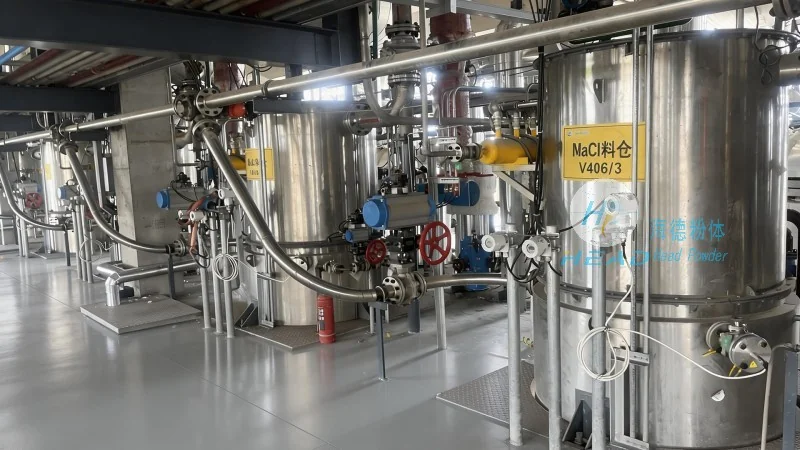
High-temperature ash material conveying systems are essential for the efficient and safe handling of ash in industrial applications. By understanding their working principles and key features, industries can optimize their operations and ensure compliance with safety and environmental regulations. Shandong HeadPowder Engineering Co., Ltd., a leading manufacturer based in China, specializes in the design, manufacturing, and installation of high-quality ash conveying systems. With a focus on durability, efficiency, and safety, the company provides tailored solutions to meet the specific needs of its clients. The systems manufactured by HeadPowder are engineered to withstand the harsh conditions of high-temperature ash handling, ensuring long-term reliability and minimal maintenance. By choosing a reputable manufacturer like HeadPowder, industrial facilities can enhance their operational performance while maintaining the highest standards of safety and environmental responsibility.