

Working Principle and Features of Dry Sludge Material Transport Systems
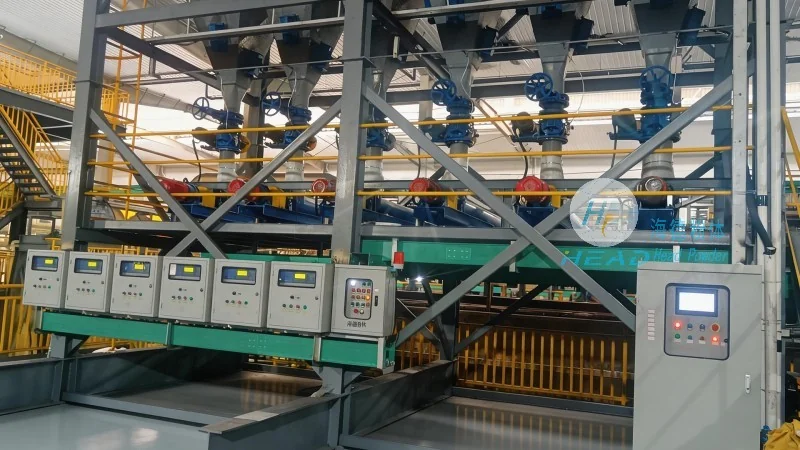
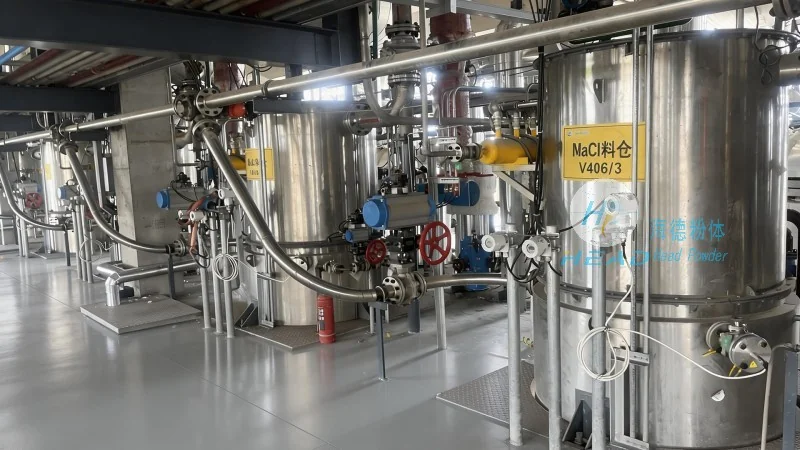
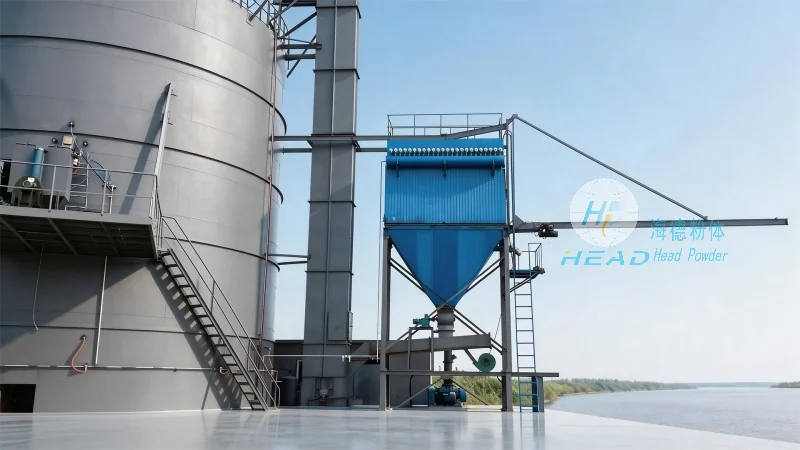
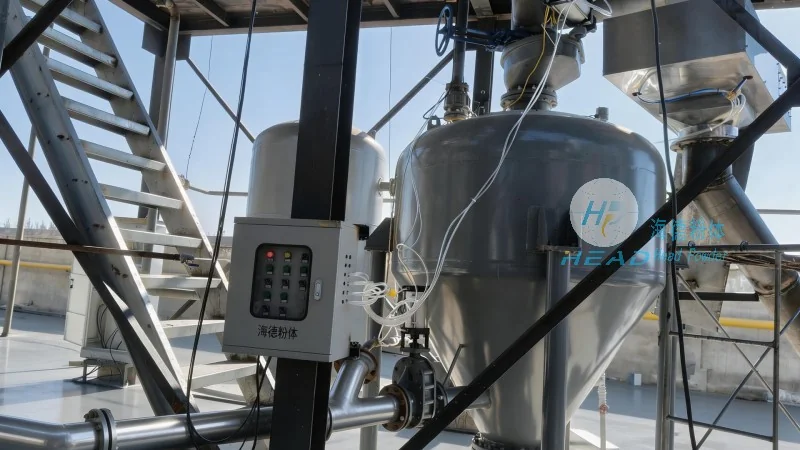
Dry sludge material transport systems are engineered to efficiently move dry sludge or similar bulk materials from a source to a destination. The core working principle involves a series of mechanical and control components that work in harmony to ensure seamless material handling. Typically, the process begins with the dry sludge being introduced into a feeding hopper or silo. From there, the material is transferred to a conveyor system, which may include belt conveyors, screw conveyors, or pneumatic conveying lines. Belt conveyors utilize a continuous belt that moves the material along a fixed path, making them ideal for transporting larger particles and bulk materials over long distances. Screw conveyors, on the other hand, use a rotating screw to push the material forward, suitable for handling fine powders and granules in enclosed environments. Pneumatic systems employ air pressure to transport the material through a pipeline, offering flexibility for vertical or horizontal transport and the ability to handle materials with high moisture content. The choice of conveyor type depends on the material characteristics, such as particle size, moisture content, and bulk density, as well as the required transport distance and layout. Control systems, integrated with sensors and automation technology, monitor key parameters like flow rate, pressure, and temperature to maintain optimal performance. This real-time monitoring allows for adjustments to be made instantly, ensuring that the system operates within safe and efficient limits. The entire process is designed to minimize material loss, reduce contamination, and enhance overall operational efficiency, making it suitable for a wide range of industrial applications from wastewater treatment to mining operations.
Key Features of Dry Sludge Material Transport Systems
HeadPowder Engineering Co., Ltd. develops dry sludge material transport systems that are characterized by several advanced features, tailored to meet the diverse needs of modern industries. One of the most significant features is the high operational efficiency and reliability. These systems are built with robust construction materials, such as stainless steel and corrosion-resistant alloys, which enhance durability and longevity, especially in harsh environments. The design incorporates adjustable feeding mechanisms that can handle various material types and sizes, from fine powders to larger granules, ensuring consistent performance. Another notable feature is the energy efficiency of the equipment. Advanced motor technologies and optimized conveyor designs reduce energy consumption, leading to lower operational costs. The integration of smart control systems, including real-time monitoring and predictive maintenance capabilities, further enhances efficiency by minimizing downtime and reducing maintenance needs. Additionally, the systems are designed for easy integration into existing industrial workflows, with modular components that can be customized to fit specific site requirements. This adaptability makes them suitable for retrofitting in older facilities or as part of new plant installations. The combination of these features makes dry sludge material transport systems from Shandong HeadPowder Engineering Co., Ltd. a reliable and cost-effective solution for material handling, supporting sustainable and efficient industrial operations.