

Working Principle and Characteristics of Coal and Coke Material Handling
Coal and coke material handling is a critical process in industrial operations, particularly in the mining, power generation, and metallurgical sectors. The efficient transportation of these bulk materials directly impacts production efficiency, safety, and overall operational costs. Understanding the working principle and key characteristics of the material handling systems is essential for optimizing these processes. This article explores the fundamental aspects of coal and coke material handling, detailing the working principles and distinctive features that define effective systems.
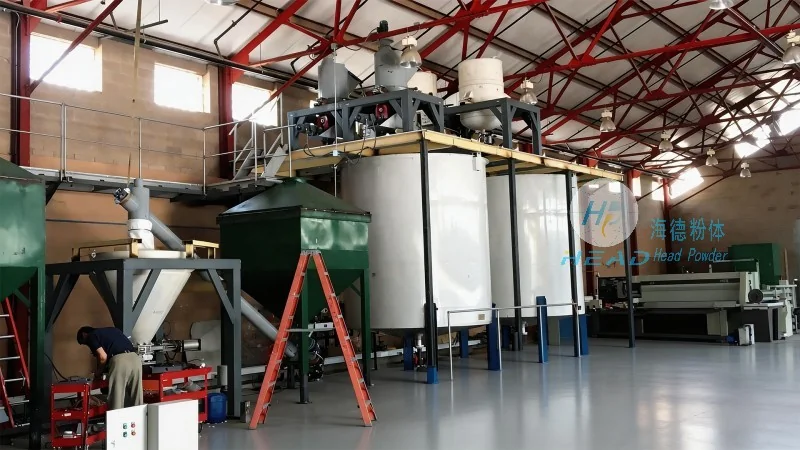
Working Principle of Coal and Coke Material Handling Systems
The working principle of coal and coke material handling systems revolves around the movement of bulk materials from one location to another using specialized equipment. The core components typically include a conveyor system, such as belt conveyors, screw conveyors, or bucket elevators, along with auxiliary components like feeders, hoppers, and discharge mechanisms. The process begins with the loading of coal or coke into the feeding hopper, where it is then transferred to the conveyor belt or other transport medium. The driving mechanism, usually an electric motor coupled with a gearbox, provides the necessary power to move the material along the conveyor path. Tensioning devices, such as tail pulleys or spring-loaded tensioners, maintain the proper tension in the conveyor belt to prevent slippage and ensure smooth operation. The material is then transported to the discharge point, where it is released into a storage silo, processing unit, or shipping container. This continuous cycle allows for the seamless and automated movement of large volumes of coal and coke, minimizing manual labor and reducing the risk of accidents associated with manual handling.
Key Characteristics of Coal and Coke Material Handling Systems
Effective coal and coke material handling systems exhibit several critical characteristics that enhance their performance and reliability. Firstly, **high efficiency** is a primary feature, as these systems are designed to handle large volumes of bulk materials at a consistent rate, minimizing downtime and maximizing throughput. The use of robust materials, such as high-strength steel for conveyor belts and components, ensures durability and longevity, reducing maintenance costs over the system's lifespan. Secondly, **adaptability** is a key characteristic, as modern systems can be configured to handle various particle sizes and material types, including coal, coke, and other similar bulk materials. This flexibility allows industries to adapt to changing production needs without significant modifications to the handling infrastructure. Thirdly, **safety features** are integral to these systems, with designs that include protective guards, emergency stop mechanisms, and overload protection to prevent accidents and ensure compliance with safety regulations. Additionally, **energy efficiency** is increasingly important, with many systems incorporating variable speed drives and energy-saving technologies to reduce operational costs while maintaining performance. The integration of advanced control systems, such as PLC (Programmable Logic Controllers), further enhances the system's ability to monitor and adjust operations in real-time, optimizing performance based on production demands.
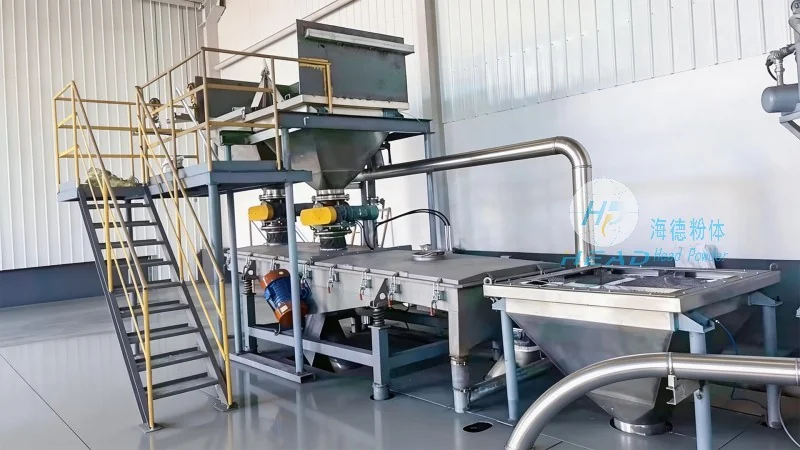
Application of Coal and Coke Material Handling in Industrial Sectors
Coal and coke material handling systems are widely used across various industrial sectors, each with specific requirements that influence the choice of equipment. In the power generation industry, for example, coal is transported from storage facilities to boilers for combustion, where consistent and reliable delivery is crucial for maintaining stable power output. The metallurgical industry relies on coke as a fuel and reducing agent in blast furnaces, requiring precise control over the material's temperature and moisture content during handling. The mining sector uses material handling systems to transport coal from mines to processing plants or ports, where the systems must withstand harsh environmental conditions and handle abrasive materials. Each application demands a tailored approach to material handling, ensuring that the chosen system meets the specific operational and safety requirements of the industry.
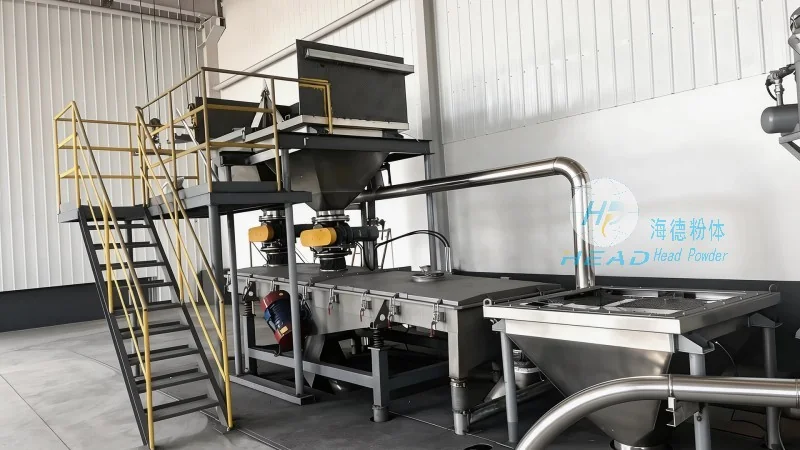
Technological Advancements in Coal and Coke Material Handling
Technological advancements have significantly improved the performance and capabilities of coal and coke material handling systems. The integration of automation and digital control systems has enabled real-time monitoring and optimization of operations, allowing for immediate adjustments to address issues such as belt tension, material flow, or equipment wear. Sensor technologies, including load cells and level detectors, provide accurate data on material levels and weight, enhancing process control and reducing waste. Additionally, the development of more durable and wear-resistant materials, such as high-performance rubber belts and corrosion-resistant steel components, has extended the service life of handling equipment and reduced maintenance intervals. The adoption of predictive maintenance strategies, using data analytics to forecast equipment failures, has further improved system reliability and reduced unplanned downtime. These advancements reflect the ongoing evolution of material handling technology, driven by the need for more efficient, sustainable, and safe industrial operations.
Conclusion and Industry Impact
In conclusion, the working principle and characteristics of coal and coke material handling systems are fundamental to the efficient operation of industrial processes. The integration of robust equipment, advanced control systems, and safety features ensures that these systems can handle large volumes of bulk materials with high reliability and minimal downtime. As industries continue to prioritize efficiency and sustainability, the development of more advanced material handling technologies will remain a key focus. Companies like Shandong HeadPowder Engineering Co., Ltd., with their expertise in designing and implementing tailored material handling solutions, play a crucial role in supporting the needs of industries that rely on coal and coke processing. By understanding the working principles and key characteristics of these systems, businesses can make informed decisions to optimize their material handling operations and achieve long-term success in their respective sectors.