

Working Principle and Features of PTFE Pneumatic Conveying Systems
Shandong HeadPowder Engineering Co., Ltd., a leading manufacturer based in China, specializes in the design and production of advanced pneumatic conveying systems. Among their product lineup, the PTFE (Polytetrafluoroethylene) pneumatic conveying system stands out for its exceptional performance and versatility in handling various materials. This article delves into the working principle and key features of this innovative system, highlighting its applications and benefits in industrial settings.
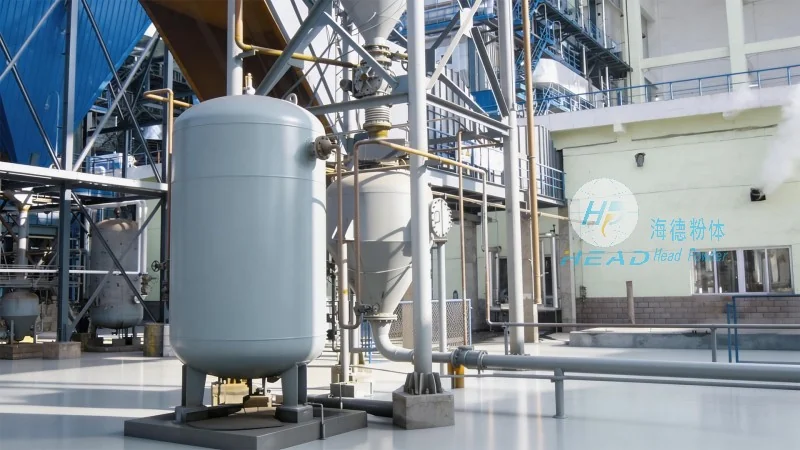
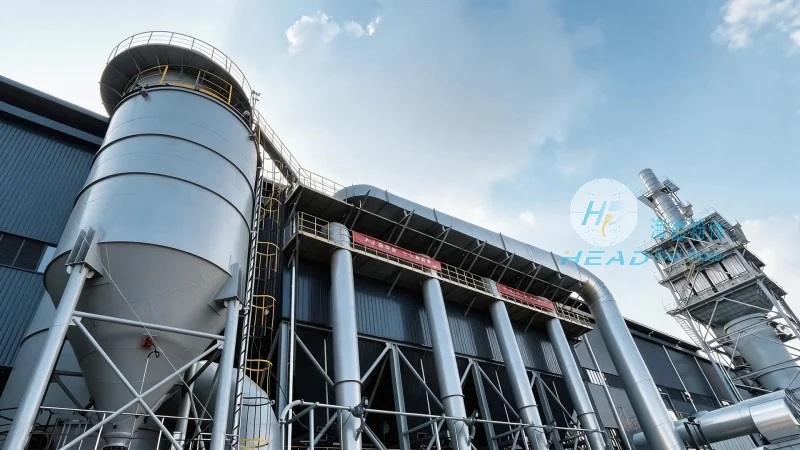
Working Principle of PTFE Pneumatic Conveying Systems
The PTFE pneumatic conveying system operates on the principle of air flow to transport bulk materials. Unlike traditional mechanical conveyors, this system uses compressed air to move particles through a pipeline. The process begins with the material being fed into a hopper or feeder, where it is then introduced into the conveying line. Compressed air, typically supplied by an air compressor, is introduced into the system, creating a flow that propels the material forward. The air velocity and pressure are carefully controlled to ensure efficient and gentle material transport, minimizing product degradation and damage. The system can be configured in various modes, such as dilute phase or dense phase, depending on the material characteristics and desired conveying distance. The PTFE material used in the components, including the pipeline and fittings, provides excellent chemical resistance and low friction, which enhances the overall efficiency and longevity of the system.
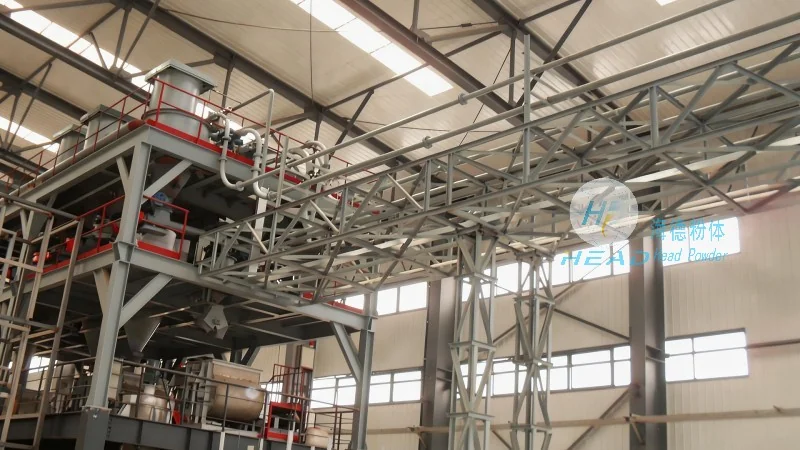
Key Features of PTFE Pneumatic Conveying Systems
One of the primary advantages of the PTFE pneumatic conveying system is its superior chemical resistance. PTFE is known for its ability to withstand a wide range of corrosive substances, making it ideal for handling materials that are sensitive to other materials like metal or plastic. This feature ensures that the system remains intact and functional even when dealing with aggressive chemicals or harsh environments. Additionally, PTFE has a low coefficient of friction, which reduces the wear and tear on the conveying components. This results in lower maintenance costs and longer operational life. The system also offers excellent thermal stability, allowing it to operate in a broad temperature range without degradation. Another notable feature is its self-cleaning capability. The smooth surface of PTFE prevents material buildup and clogging, which is a common issue in traditional conveying systems. This self-cleaning property ensures consistent performance and reduces downtime for cleaning and maintenance. Furthermore, the PTFE system is highly flexible and can be customized to fit specific industrial needs. It can be designed for different material types, conveying distances, and operational pressures, making it a versatile solution for various applications.
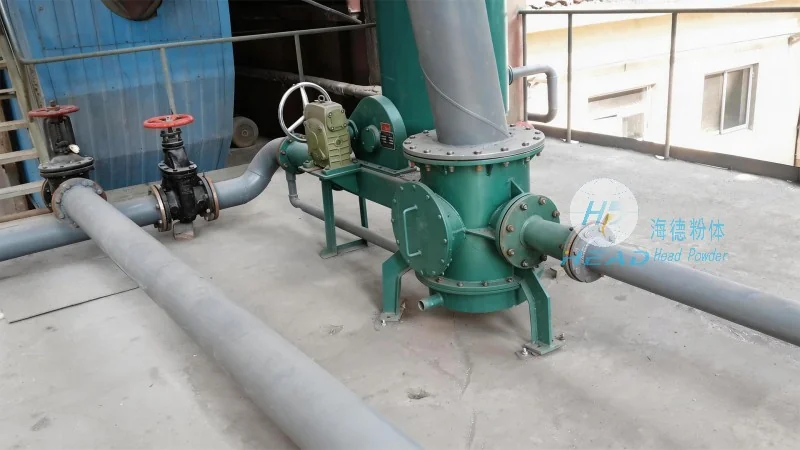
Applications and Benefits in Industrial Settings
The PTFE pneumatic conveying system finds applications in numerous industries, including pharmaceuticals, food processing, chemical manufacturing, and mining. In the pharmaceutical industry, it is used to transport sensitive powders and granules, ensuring that the materials remain uncontaminated and free from degradation. The system's gentle handling and chemical resistance make it suitable for handling active pharmaceutical ingredients (APIs) and other sensitive materials. In the food industry, the PTFE system is employed to convey food-grade powders and ingredients, maintaining hygiene and preventing cross-contamination. The smooth and non-stick surface of PTFE prevents material adhesion, which is crucial for food safety. In chemical manufacturing, the system is used to handle corrosive chemicals and hazardous materials, providing a safe and efficient method of transport. The PTFE components resist chemical attack, reducing the risk of leaks or contamination. The benefits of this system extend beyond its material handling capabilities. The PTFE pneumatic conveying system offers significant advantages in terms of energy efficiency and space savings. Compared to traditional mechanical conveyors, it requires less space and can transport materials over longer distances with lower energy consumption. This makes it a cost-effective solution for industrial operations. Additionally, the system is easy to install and maintain, with modular components that can be replaced or upgraded as needed. The overall reliability and performance of the PTFE pneumatic conveying system make it a preferred choice for industries that demand high-quality and efficient material transport solutions.