

Working Principle and Features of Mica Powder Pneumatic Conveying Systems
HeadPowder, a leading provider in the field of material handling solutions, specializes in advanced pneumatic conveying systems designed for the efficient transport of mica powder. This article delves into the working principle and key features of such systems, offering insights into how they enhance operational efficiency and reliability in industrial applications.
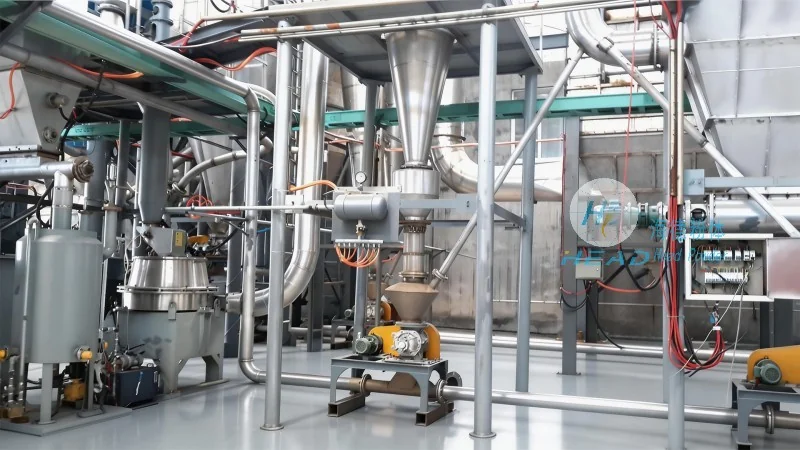
Understanding the Working Principle of Mica Powder Pneumatic Conveying Systems
The core mechanism of a mica powder pneumatic conveying system revolves around the use of air or gas as the primary medium to transport dry powders, including mica, through a network of pipes. The system typically operates on the principle of creating a pressure differential or using suction to move the material from the source to the destination. There are two main types of pneumatic conveying systems: pressure and vacuum. Pressure systems utilize compressed air to push the material through the pipeline, while vacuum systems employ a vacuum pump to draw the material in. For mica powder, which is often light and can be prone to dusting, the choice of system depends on factors such as the distance, material characteristics, and required flow rate.
In a typical pressure system, the mica powder is fed into a hopper or feeder, where it is then introduced into a pipeline under positive pressure. The compressed air, often supplied by a blower or compressor, propels the powder along the pipeline, ensuring a consistent and controlled flow. The system may include components like rotary valves, airlocks, and filters to maintain the integrity of the material and prevent blockages or contamination. On the other hand, vacuum systems are more suitable for shorter distances or when the material needs to be transported from multiple points to a central collection point. These systems use a vacuum pump to create a negative pressure that pulls the mica powder into the pipeline, with the air flow carrying the material to the desired location.
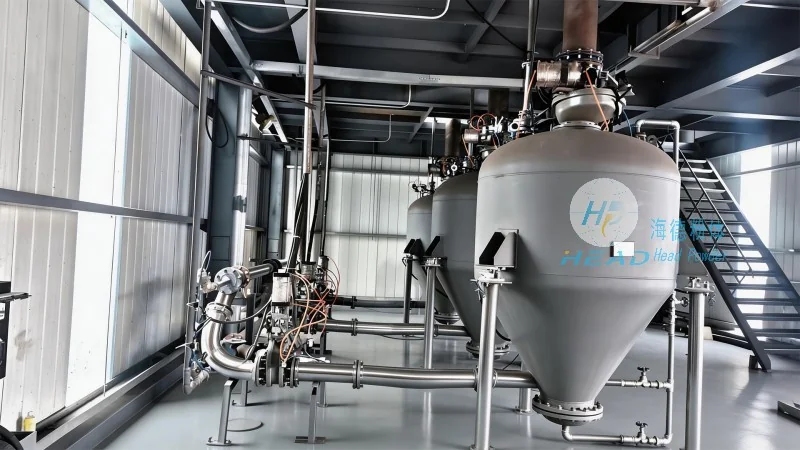
Key Features of Mica Powder Pneumatic Conveying Systems
Several distinct features make mica powder pneumatic conveying systems particularly effective for handling this type of material. Firstly, the systems are designed to minimize product degradation and contamination. Mica powder is often sensitive to moisture and can be easily damaged by excessive friction or impact. The smooth internal surfaces of the pipelines and the use of gentle air flow help preserve the quality of the mica powder, ensuring it remains in its original state throughout the conveying process. Secondly, these systems offer high flexibility in terms of layout and installation. They can be configured to follow complex routes, including vertical and horizontal segments, without the need for extensive mechanical components like conveyors or elevators. This adaptability makes them ideal for facilities with limited space or irregular layouts.
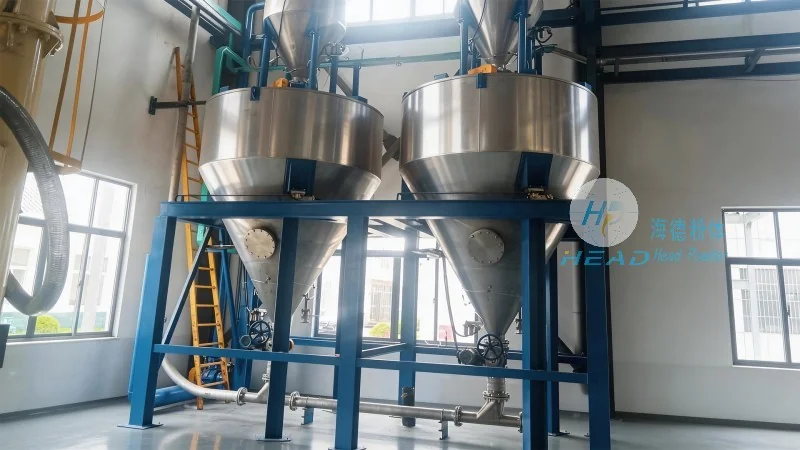
Another significant feature is the ability to handle varying flow rates and material loads. The control systems in modern pneumatic conveying systems allow for precise regulation of air pressure and flow, enabling operators to adjust the conveying speed as needed. This flexibility is crucial for processes where the demand for mica powder fluctuates, such as in manufacturing or processing plants. Additionally, the systems are equipped with advanced monitoring and safety features. Sensors and alarms can detect blockages, pressure changes, or other anomalies, preventing system failures and ensuring safe operation. This proactive approach to maintenance and monitoring enhances the overall reliability of the system.
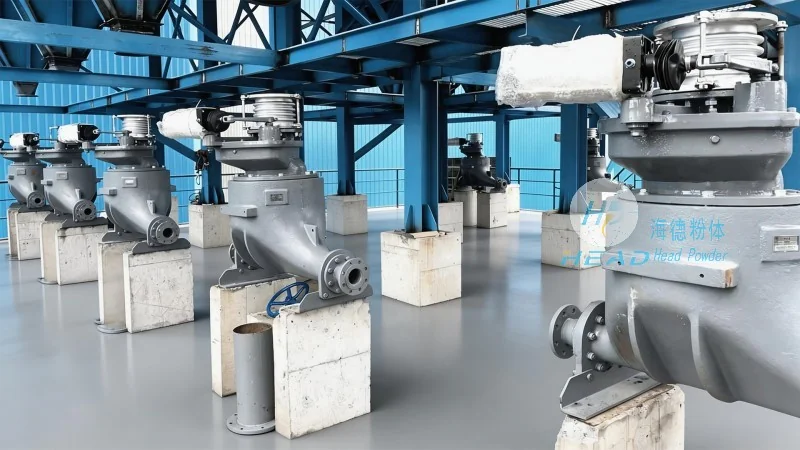
Benefits and Applications in Industrial Settings
The implementation of mica powder pneumatic conveying systems brings numerous benefits to industrial operations. By eliminating the need for manual handling or traditional mechanical conveyors, these systems reduce labor costs and improve workplace safety. The automated nature of the process minimizes the risk of accidents and exposure to dust, which is particularly important given the health concerns associated with mica powder inhalation. Furthermore, the efficiency of pneumatic conveying systems leads to reduced downtime and increased productivity. The consistent and reliable transport of mica powder ensures that production lines can operate continuously without interruptions caused by material shortages or blockages.
These systems are widely used in various industries, including construction, automotive, and electronics, where mica powder is a critical component in products such as insulation materials, coatings, and electrical components. The ability to handle large volumes of mica powder with minimal maintenance and operational costs makes the systems a cost-effective solution for businesses looking to streamline their material handling processes. As a company specializing in engineering solutions, Shandong HeadPowder Engineering Co., Ltd. offers customized pneumatic conveying systems tailored to the specific needs of its clients, ensuring optimal performance and efficiency in the transport of mica powder.