

What is a Dust Collection Station Material Pneumatic Conveying Line? And What Are Its Design Princip
For industrial facilities dealing with bulk materials, efficient material handling is crucial. A dust collection station material pneumatic conveying line is a specialized system designed to transport materials from one location to another within a facility, often in conjunction with dust collection systems. This system combines the functions of material transport and air filtration, making it an integral part of many manufacturing and processing plants. The primary goal is to move powders, granules, or other particulate materials while maintaining air quality and operational efficiency. Such systems are widely used in industries like pharmaceuticals, food processing, chemical manufacturing, and mining, where the handling of fine or dusty materials is a daily operation.
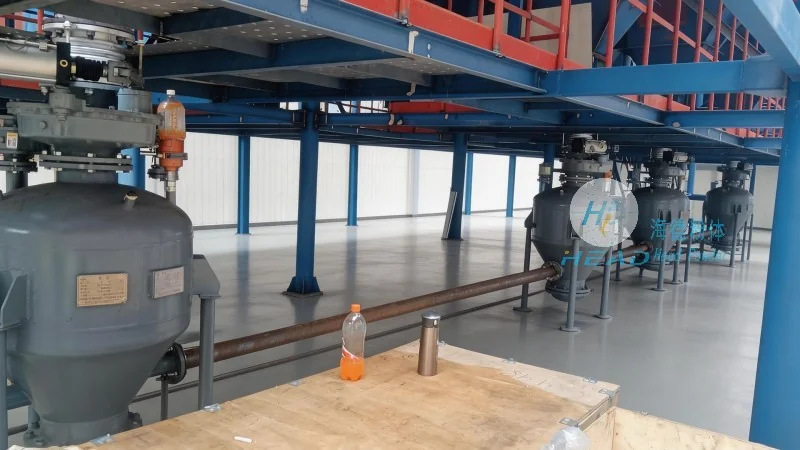
Key Components of the Pneumatic Conveying System
The pneumatic conveying line for dust collection stations typically consists of several key components that work in concert to achieve the desired material transport. These components include the material feed hopper, which serves as the storage and feeding unit for bulk materials; the air supply system, which generates the necessary airflow to move the material; the conveying pipeline, which transports the material and air mixture through the system; and the dust collection equipment, such as filters or cyclones, which separate the material from the air stream and return it to the process or storage. Each component is critical to the overall performance and reliability of the system.
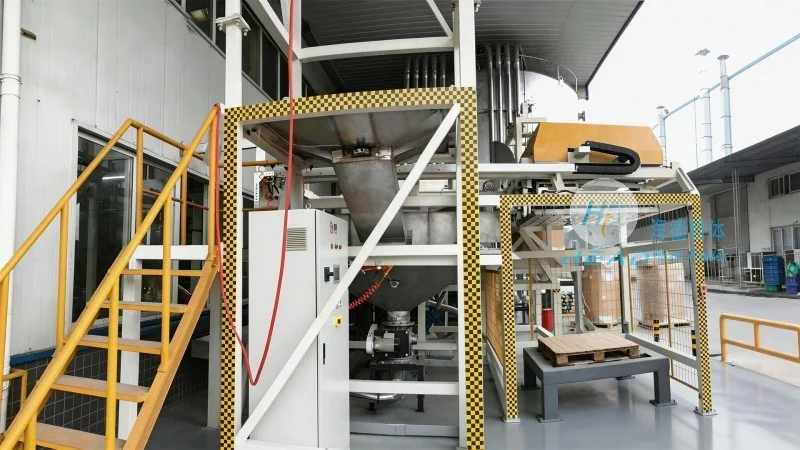
Design Principles and Operational Mechanisms
The design of a dust collection station material pneumatic conveying line is based on fundamental principles of fluid dynamics and material science. The most common operational mode is the pressure system, where compressed air is used to push the material through the pipeline. This system is ideal for short to medium transport distances and can handle a variety of materials, from fine powders to larger granules. The alternative is the vacuum system, which uses a vacuum to draw the material into the pipeline. Vacuum systems are often employed for longer distances or when the material needs to be transported from multiple sources or elevated positions. The choice between pressure and vacuum depends on factors such as the material's density, flowability, and the distance between the source and destination. Additionally, the system's design considers the pressure drop across the pipeline, which is influenced by the material's particle size, the pipeline diameter, and the length of the run.
Material Handling Capabilities and Efficiency
One of the primary advantages of this system is its ability to handle a wide range of materials, including those that are difficult to transport using traditional methods like belt conveyors or bucket elevators. The pneumatic conveying line can effectively handle materials that are abrasive, corrosive, or have high moisture content, making it versatile for various industrial applications. For instance, in pharmaceutical manufacturing, the system can transport powders without contamination, while in food processing, it ensures hygienic material handling. The efficiency of the system is further enhanced by the integration with dust collection equipment, which prevents material loss and maintains air quality within the facility. This integration also reduces the need for additional cleaning and maintenance, contributing to overall operational cost savings.
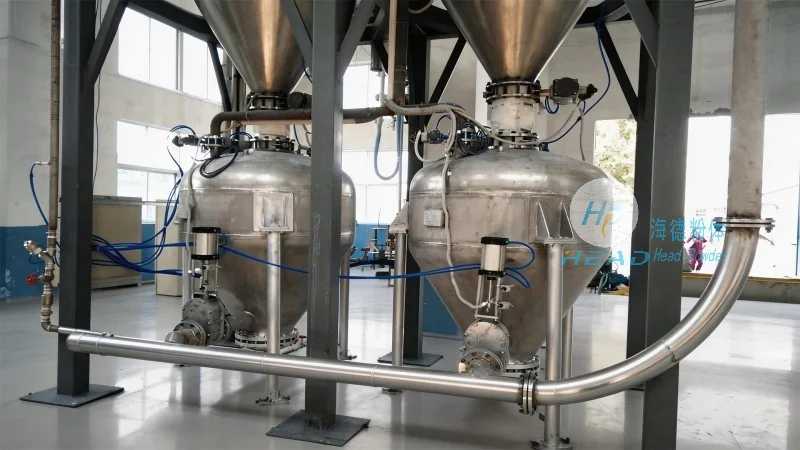
Customization and Application in Industrial Settings
Shandong HeadPowder Engineering Co., Ltd., a prominent player in the material handling industry, specializes in designing and manufacturing customized pneumatic conveying systems tailored to the specific needs of industrial clients. With a strong focus on quality, innovation, and customer satisfaction, the company ensures that each system is optimized for the unique requirements of the application. The company's expertise lies in understanding the material properties, facility layout, and operational constraints to develop a solution that maximizes efficiency and minimizes downtime. Whether for a new facility or an upgrade to an existing one, the company's solutions provide reliable and effective material handling solutions. The company's team of engineers works closely with clients to assess their specific needs, from the type of material to be handled to the desired transport distance and system integration with existing dust collection equipment. This collaborative approach ensures that the final system meets all performance and safety standards, delivering long-term value to the client.