

What is a Tote Bag Unloading Material Pneumatic Conveying Line? And What Are Its Design Principles?
For industrial operations dealing with bulk materials, efficient and reliable material handling systems are crucial. A tote bag unloading material pneumatic conveying line is a specialized system designed to handle the unloading and transport of bulk materials from tote bags into processing or storage facilities. This article explores the functionality and design principles behind such a system, highlighting its importance in modern industrial applications.
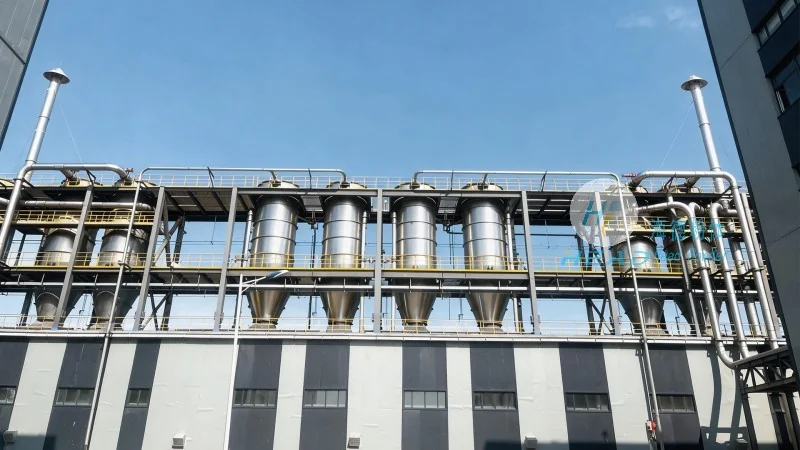
What is a Tote Bag Unloading Material Pneumatic Conveying Line?
A tote bag unloading material pneumatic conveying line is a closed-loop system that utilizes air pressure or vacuum to move bulk materials from tote bags into a processing unit. The system typically includes components such as a tote bag unloader, a conveying line, a filter system, and a material collection hopper. The primary goal is to transfer materials like powders, granules, or other bulk solids from the tote bags to the next stage of the production process with minimal dust, spillage, and operational downtime.
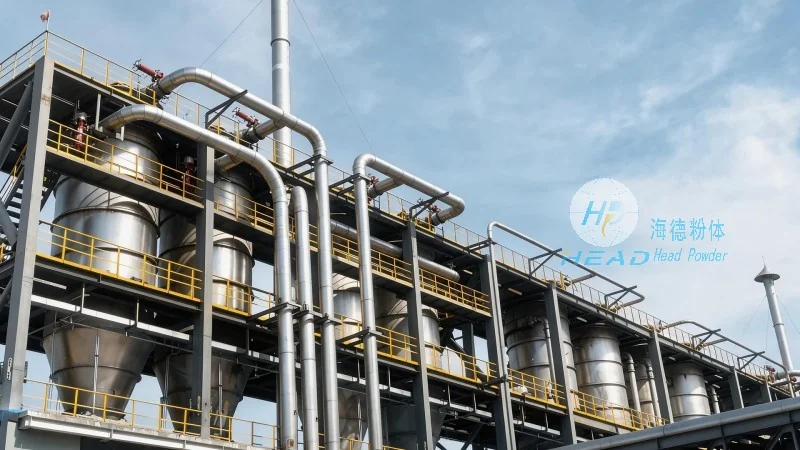
Key Components of the System
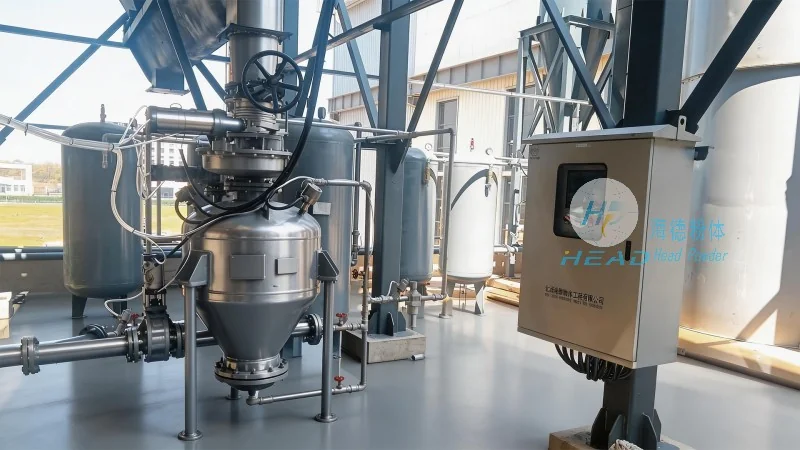
The effectiveness of a tote bag unloading material pneumatic conveying line depends on several critical components working in harmony. The first component is the tote bag unloader, which is designed to open the tote bag and allow the material to flow into the conveying line. This component often includes a hopper and a valve mechanism to control the flow of material. The conveying line itself is usually made of flexible or rigid tubing, depending on the material being handled and the distance to be covered. The line may be equipped with bends, elbows, and straight sections to navigate the path from the unloader to the processing equipment. A filter system is essential to capture dust and particles, ensuring that the air is clean and that the material does not escape into the environment. Finally, a material collection hopper or silo is used to store the material after it has been conveyed, providing a buffer for downstream processing.
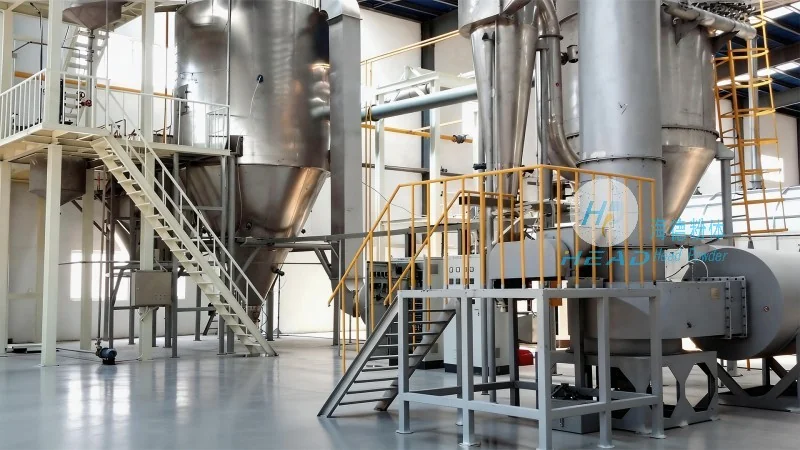
Design Principles Behind the System
The design of a tote bag unloading material pneumatic conveying line follows several fundamental principles to ensure optimal performance. The first principle is the selection of the appropriate conveying method, which can be either pressure or vacuum-based. Pressure conveying uses compressed air to push the material through the line, while vacuum conveying uses a vacuum to pull the material. The choice between these methods depends on factors such as the material's characteristics (e.g., density, moisture content, particle size), the distance to be conveyed, and the desired flow rate. The second principle is the calculation of the air velocity and flow rate. The air velocity must be sufficient to keep the material particles suspended in the air stream, preventing them from settling and causing blockages. This is typically achieved by maintaining an air velocity of 20-30 meters per second for pressure conveying and 15-25 meters per second for vacuum conveying. The third principle is the sizing of the conveying line and components. The diameter of the line is determined by the material's flow rate and the air velocity, ensuring that the system can handle the required volume of material without excessive pressure drop or energy consumption. The fourth principle is the integration of safety features, such as pressure relief valves, dust collection systems, and material flow indicators, to prevent accidents and ensure smooth operation.
Applications and Benefits
Tote bag unloading material pneumatic conveying lines are widely used in various industries, including food processing, pharmaceuticals, chemicals, and minerals. In the food industry, for example, such systems are used to handle ingredients like flour, sugar, and spices, ensuring that the material is transferred hygienically and without contamination. In the pharmaceutical industry, the system is used to handle active pharmaceutical ingredients (APIs) and other sensitive materials, maintaining strict cleanliness and preventing cross-contamination. The benefits of using a tote bag unloading material pneumatic conveying line include improved efficiency, reduced labor costs, minimized material loss, and enhanced safety. The system can handle large volumes of material quickly and with minimal human intervention, reducing the risk of accidents and improving overall productivity. Additionally, the closed-loop design helps to minimize dust and spillage, creating a cleaner and safer working environment.
Conclusion
A tote bag unloading material pneumatic conveying line is a sophisticated and efficient system designed to handle bulk materials from tote bags into processing facilities. The design principles behind such a system focus on optimizing material flow, ensuring safety, and maintaining cleanliness. By understanding the key components and design considerations, industrial operations can select and implement a system that meets their specific needs, improving productivity and reducing operational costs. As the demand for efficient material handling solutions continues to grow, the tote bag unloading material pneumatic conveying line remains a vital component in modern industrial processes.