

What is a Multi-functional Bulk Material Pneumatic Conveying System? And What Are Its Design Princip
Multi-functional bulk material pneumatic conveying systems represent a sophisticated solution for transporting various types of powders and granules in industrial settings. These systems utilize air or other gases to move materials from one location to another, offering advantages such as dust-free operation, flexibility in layout, and the ability to handle a wide range of materials. Understanding the core components and design principles of such systems is crucial for optimizing material handling processes and ensuring efficient operation.
What is a Multi-functional Bulk Material Pneumatic Conveying System?
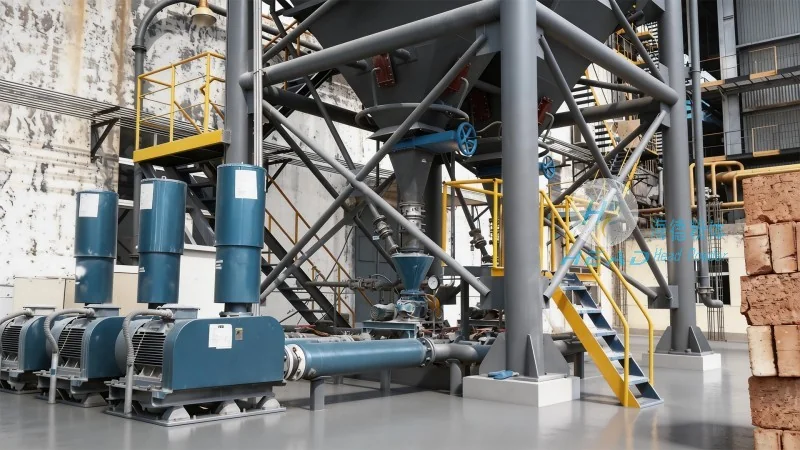
A multi-functional bulk material pneumatic conveying system is a specialized piece of equipment designed to transport bulk materials like powders, granules, and fine particles through a pipeline using air or gas as the conveying medium. Unlike traditional mechanical conveyors, which rely on physical contact and friction to move materials, pneumatic systems employ a pressurized or suction method to achieve material transport. This approach allows for the handling of materials that are difficult to convey mechanically, such as those that are abrasive, sticky, or prone to caking. The system typically consists of a feeding device, a conveying line (often with bends and fittings), a control unit, and a discharge device. By integrating multiple functionalities, these systems can handle diverse material types, varying flow rates, and different operational requirements, making them versatile for various industrial applications.
Key Design Principles of Multi-functional Pneumatic Conveying Systems
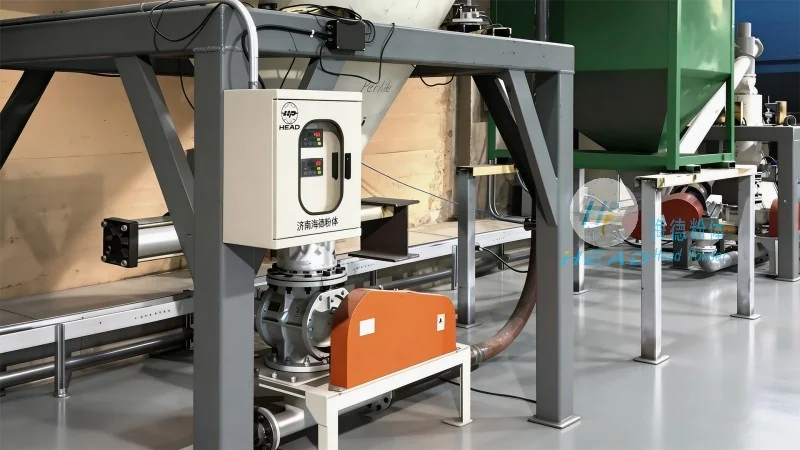
The design of a multi-functional bulk material pneumatic conveying system is guided by several critical principles to ensure optimal performance, efficiency, and reliability. First, the selection of the conveying method—either pressure or vacuum—depends on the material characteristics, distance to be covered, and the layout of the facility. Pressure systems use positive pressure to push material through the pipeline, while vacuum systems use negative pressure to pull material. The choice of method influences the system's energy consumption, material handling capacity, and the type of equipment required. Second, the design must consider the material's physical properties, including particle size, density, moisture content, and flowability. These properties determine the air velocity needed to maintain a stable flow and prevent material deposition or blockages. For example, fine powders may require higher air velocities to avoid settling, while larger granules might need lower velocities to prevent excessive wear on the pipeline. Third, the system's layout and components must be carefully engineered to minimize pressure losses and energy consumption. This includes optimizing pipe diameters, using appropriate bends and fittings, and ensuring proper sealing to prevent air leakage. Additionally, the control system plays a vital role in regulating the conveying process, adjusting air pressure or flow rate as needed to maintain consistent material transport. By adhering to these design principles, manufacturers can develop systems that are efficient, reliable, and adaptable to diverse industrial needs.
Components and Functionalities of Multi-functional Pneumatic Conveying Systems
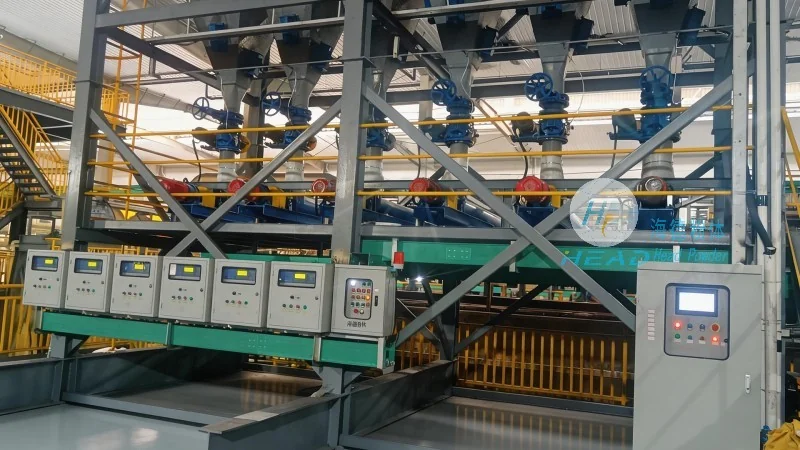
Multi-functional bulk material pneumatic conveying systems consist of several key components that work together to achieve efficient material transport. The primary components include a feeding device, a conveying line (often made of stainless steel or other corrosion-resistant materials) that transports the material, a control unit that regulates the system's operation, and a discharge device that releases the material at the destination. The feeding device can be a rotary valve, a star feeder, or a hopper with a venturi, depending on the material's characteristics and the required flow rate. The conveying line is typically designed with bends and fittings to navigate the system's layout, and may include features like filters or cyclones to separate the material from the air at the discharge end. The control unit monitors and adjusts parameters such as air pressure, flow rate, and material feed rate to maintain stable operation. The discharge device, such as a rotary valve or a venturi, ensures that the material is released in a controlled manner, preventing spillage or blockages. These components are designed to be modular and adaptable, allowing manufacturers to customize the system for specific applications. For instance, a system may include additional features like a dust collector or a material separator to enhance its functionality. By integrating these components, the system can handle a wide range of materials and operational conditions, making it a versatile solution for industrial material handling.
Applications and Benefits of Multi-functional Pneumatic Conveying Systems
Multi-functional bulk material pneumatic conveying systems are widely used in various industries due to their versatility and efficiency. These systems are commonly employed in the food and pharmaceutical industries to handle powders and granules that require strict hygiene and contamination control. In the chemical industry, they are used to transport abrasive or corrosive materials, while in the mining and minerals sector, they handle bulk materials like coal, ore, and sand. The benefits of these systems include dust-free operation, which improves workplace safety and reduces the risk of material contamination. They also offer flexibility in layout, allowing for the integration of the system into existing facilities without major structural changes. Additionally, pneumatic systems can handle materials over long distances and at high flow rates, making them suitable for large-scale production environments. The modular design of these systems allows for easy expansion or modification as production needs change. Furthermore, the use of air as the conveying medium reduces the need for physical contact, minimizing wear and tear on the material and the equipment. This results in lower maintenance costs and longer equipment lifespan. Overall, multi-functional bulk material pneumatic conveying systems provide a reliable and efficient solution for material handling, enhancing productivity and operational safety in industrial settings.
Conclusion and Company Information
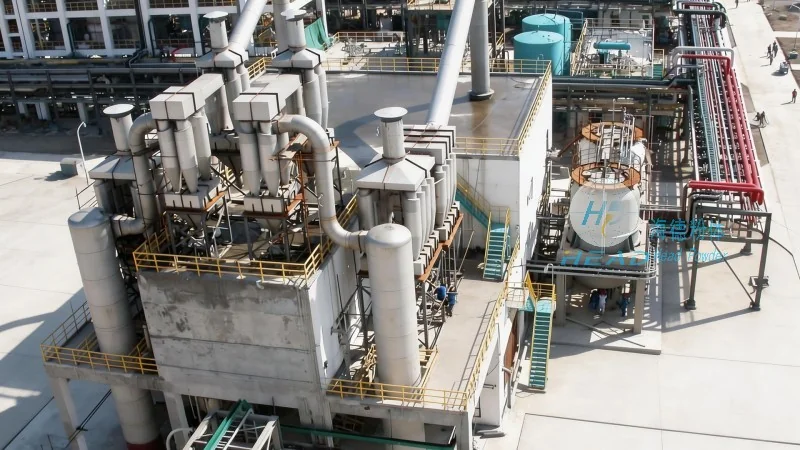
Multi-functional bulk material pneumatic conveying systems are a critical component in modern industrial material handling, offering a versatile and efficient solution for transporting diverse materials. By understanding the design principles and components of these systems, industries can optimize their material transport processes and improve overall operational efficiency. Shandong HeadPowder Engineering Co., Ltd., a leading manufacturer based in Shandong, China, specializes in the design, manufacturing, and installation of such systems. With years of experience and a commitment to quality, the company provides customized solutions tailored to the specific needs of its clients. Whether for food processing, chemical manufacturing, or mining operations, HeadPowder's systems are engineered to deliver reliable performance and long-term value. For more information about their products and services, please contact the company at their address in Shandong, China.