

What is Nanosized Calcium Carbonate Material Pneumatic Conveying Equipment? What are the Design Prin
Nanosized calcium carbonate (nCC) is a widely used industrial material, often utilized in applications such as plastics, coatings, and paper production. The efficient handling and transportation of nCC are critical for maintaining production efficiency and product quality. Pneumatic conveying equipment has emerged as a key solution for this purpose, enabling the safe and effective movement of fine powders like nCC. This article explores the concept of nanosized calcium carbonate material pneumatic conveying equipment and delves into the underlying design principles that govern its operation, presented by Shandong HeadPowder Engineering Co., Ltd., a leading manufacturer in the field.
Understanding Nanosized Calcium Carbonate Material Pneumatic Conveying Equipment
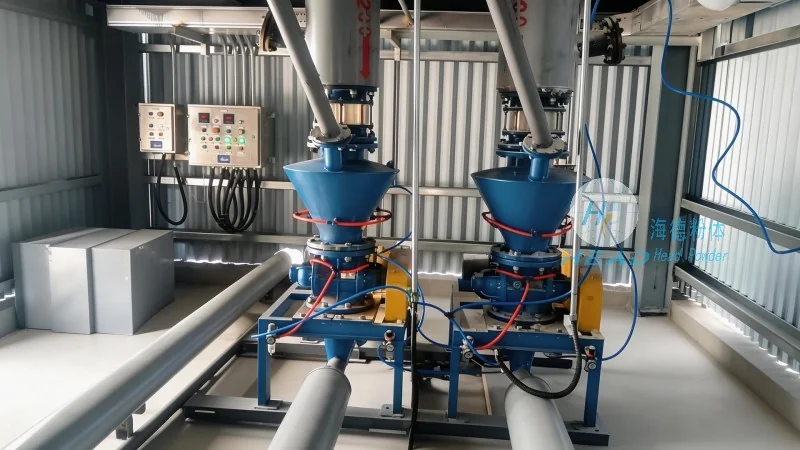
Nanosized calcium carbonate material pneumatic conveying equipment is a specialized system designed to transport fine powders, including nanosized calcium carbonate, through a pressurized air stream. Unlike traditional bulk material handling methods like belt conveyors or screw conveyors, pneumatic conveying offers advantages such as reduced dust generation, lower maintenance requirements, and the ability to handle materials that are difficult to move via mechanical means. The equipment typically consists of several key components, including a hopper for material storage, a feeder to control the flow rate, a conveying line where the material is propelled by air, and a receiver for the material at the destination point. The entire system operates by creating a pressure differential, either by using a positive pressure (blower) or negative pressure (vacuum) to move the material through the pipeline.
Key Design Principles of Pneumatic Conveying Systems
The design of a nanosized calcium carbonate material pneumatic conveying system is based on several fundamental principles to ensure optimal performance and reliability. The first principle is the selection of the appropriate conveying method, which can be categorized into two main types: dilute phase and dense phase. Dilute phase conveying uses low air velocities to transport the material, typically at air-to-material ratios of 5 to 20, and is suitable for short to medium distances. Dense phase conveying, on the other hand, employs higher air velocities and lower air-to-material ratios (around 1 to 5) to achieve a more stable and controlled flow, making it ideal for longer distances and more sensitive materials. For nanosized calcium carbonate, which is prone to agglomeration and can cause blockages, dense phase conveying is often preferred to maintain consistent flow and prevent material degradation.
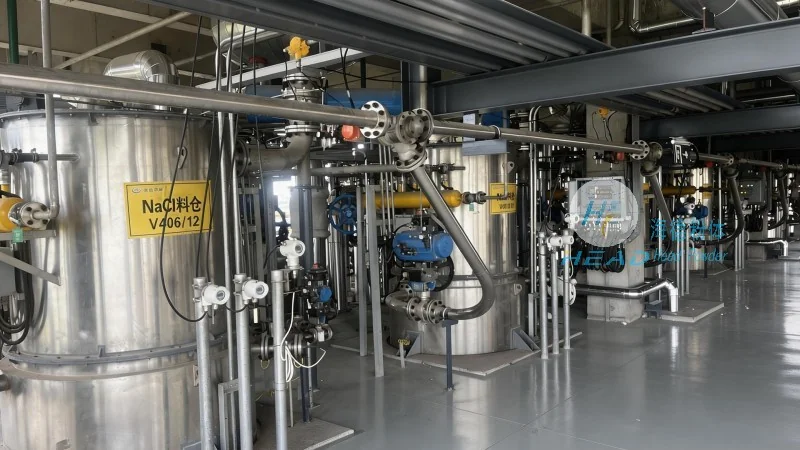
Another critical design principle is the consideration of material properties. Nanosized calcium carbonate particles are extremely fine, with diameters often ranging from 0.1 to 2 micrometers. This fineness affects the system's design in several ways. First, the high surface area of the particles increases the risk of static electricity buildup, which can lead to material sticking to equipment surfaces or causing sparks. Therefore, anti-static measures, such as grounding and using conductive materials, are essential components of the design. Second, the particles are susceptible to attrition and wear, which can lead to increased maintenance costs and reduced system efficiency. The choice of materials for the conveying line, such as stainless steel or PTFE-coated pipes, is crucial to minimize wear and ensure long-term performance. Additionally, the system must be designed to handle the high dust load generated by nCC, which requires efficient filtration and dust collection systems to comply with environmental regulations and maintain workplace safety.
System Components and Their Functions
The effectiveness of a nanosized calcium carbonate material pneumatic conveying system depends on the proper integration and functionality of its components. The hopper serves as the primary storage vessel, providing a consistent supply of material to the feeder. The feeder, which can be a rotary valve, screw feeder, or vibratory feeder, controls the flow rate of the material into the conveying line. This control is vital to prevent overloading the system and ensuring a steady flow of nCC. The conveying line itself is typically made of flexible or rigid tubing, depending on the application and distance. For longer distances, rigid pipes are preferred to maintain pressure and prevent sagging, while flexible hoses are used for shorter distances or where flexibility is required. The blower or vacuum pump generates the necessary pressure or vacuum to move the material through the line. The receiver is the final component, where the material is deposited and collected. It is often equipped with a dust collection system to capture any particles that may have escaped during the conveying process.
Applications and Benefits in Industrial Settings
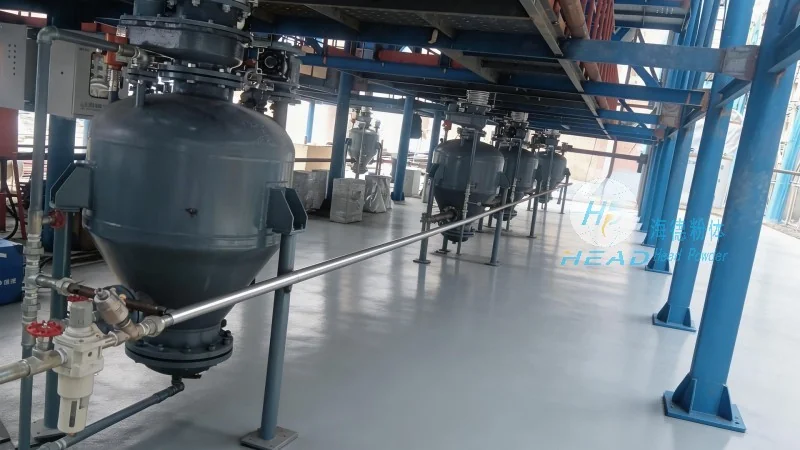
Nanosized calcium carbonate material pneumatic conveying equipment is widely used in various industrial sectors due to its versatility and efficiency. In the plastics industry, nCC is added to polymer matrices to improve their mechanical properties and reduce costs. The pneumatic conveying system ensures that the fine powder is delivered to the mixing equipment without clogging or loss of material. In the paper industry, nCC is used as a filler to enhance the strength and brightness of paper products. The system allows for precise dosing and uniform distribution of the material, leading to consistent product quality. Additionally, in the coatings and paints industry, nCC is used to improve the opacity and whiteness of coatings. The ability of the pneumatic conveying system to handle the fine powder without agglomeration ensures that the final product has the desired texture and appearance.
Maintenance and Operational Considerations
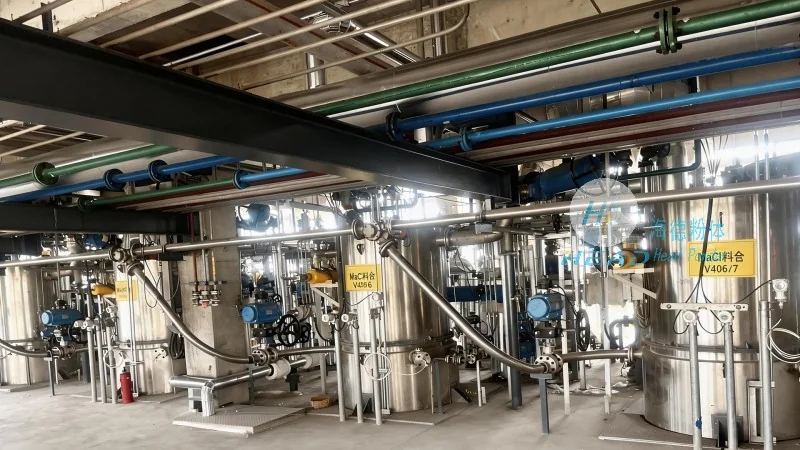
Proper maintenance and operational practices are essential to maximize the lifespan and performance of nanosized calcium carbonate material pneumatic conveying equipment. Regular cleaning of the conveying line and components is necessary to prevent the buildup of material and reduce the risk of blockages. The system should be inspected regularly for signs of wear and tear, such as pipe corrosion or valve leakage. The blower or vacuum pump should be checked for proper operation and efficiency, as any issues can lead to reduced conveying capacity. Additionally, the dust collection system should be maintained to ensure it is functioning effectively, as a clogged filter can cause a pressure drop and affect the system's performance. Training operators on the proper use and maintenance of the equipment is also crucial to prevent accidents and ensure safe operation.
Conclusion
Nanosized calcium carbonate material pneumatic conveying equipment is a sophisticated system that plays a vital role in the efficient handling of fine powders in various industrial applications. The design principles, including the selection of conveying method, consideration of material properties, and proper integration of system components, are critical to ensuring optimal performance and reliability. By understanding these principles and implementing proper maintenance practices, industries can benefit from the advantages of pneumatic conveying, including reduced dust generation, lower maintenance costs, and improved product quality. As the demand for nanosized calcium carbonate continues to grow, the development of advanced pneumatic conveying systems will remain essential to meet the evolving needs of the industry.