

What is the Pneumatic Conveying Equipment for Calcium Carbide Slag? What Are Its Design Principles?
Pneumatic conveying equipment is a specialized system designed to transport calcium carbide slag, a byproduct of the calcium carbide production process, from one location to another. This equipment utilizes air or gas as the conveying medium to move the solid material through a pipeline network. The design of such equipment is crucial for ensuring efficient, safe, and reliable transport of calcium carbide slag, which often presents unique challenges due to its physical and chemical properties.
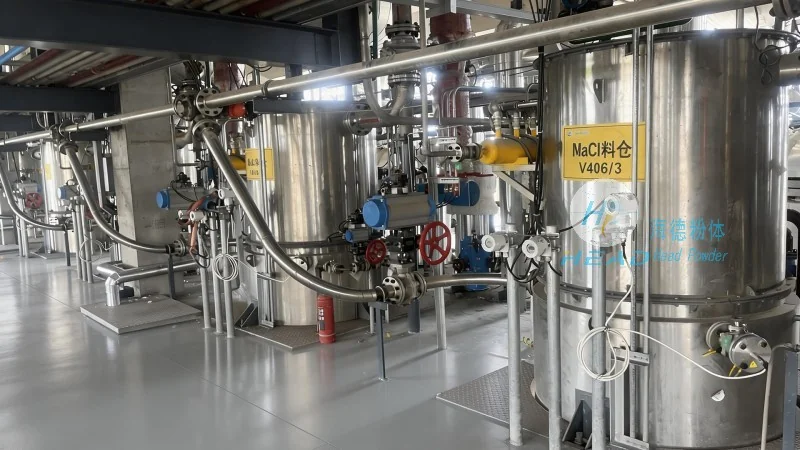
Key Characteristics of Calcium Carbide Slag and Its Handling Challenges
Calcium carbide slag, also known as calcium carbide residue, is a solid waste material generated during the production of calcium carbide. It typically consists of a mixture of calcium oxide, carbon, and other impurities, with a particle size ranging from fine powders to coarse granules. The material is often abrasive, has a high density, and can be reactive under certain conditions. These characteristics make traditional bulk material handling methods, such as belt conveyors or bucket elevators, less suitable due to potential wear and tear, blockages, or safety hazards. Pneumatic conveying systems offer a solution by providing a closed, enclosed transport path that minimizes exposure to the material and reduces the risk of contamination or environmental impact.
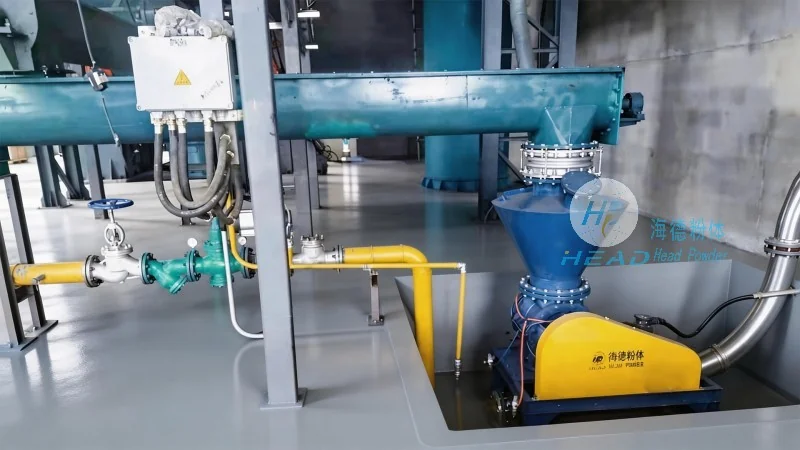
Core Design Principles of Pneumatic Conveying Systems
The design of pneumatic conveying equipment for calcium carbide slag is based on several fundamental principles to ensure optimal performance. The primary principle is the use of differential pressure to move the material through the system. Air is introduced into the conveying line at a controlled pressure, creating a pressure differential that propels the slag particles. The system typically operates in either positive pressure (pressure conveying) or negative pressure (vacuum conveying) modes, depending on the application requirements and the distance to be covered. The design also considers the material's flowability, particle size distribution, and moisture content, as these factors influence the air velocity and pressure needed for effective transport. Additionally, the equipment is engineered to handle abrasive materials, ensuring that components such as pipelines, valves, and pumps are constructed from durable materials like stainless steel or special alloys to withstand wear and corrosion.
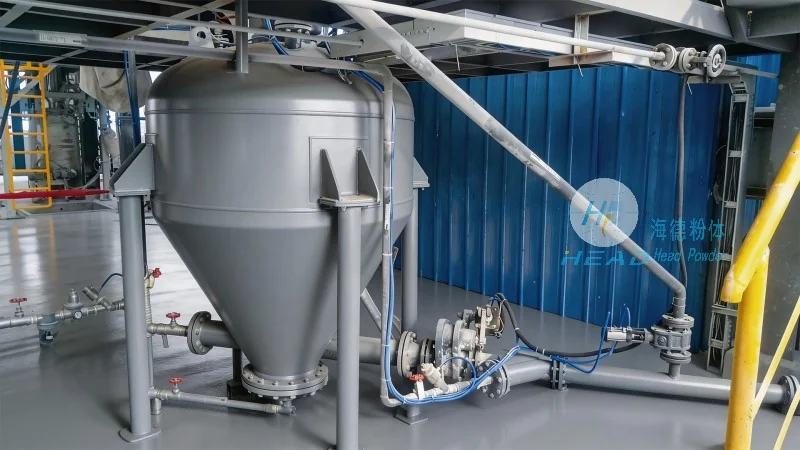
Components and Working Mechanism of the Equipment
A typical pneumatic conveying system for calcium carbide slag consists of several key components, each playing a critical role in the overall operation. The main components include a material feeder, a conveying line (pipeline), a blower or vacuum pump, a control system, and a discharge device. The material feeder is responsible for feeding the calcium carbide slag into the conveying line at a consistent rate, preventing blockages and ensuring a steady flow. The conveying line is made of robust materials, such as PVC or metal, with appropriate diameters and bends to minimize pressure drop and maintain the material's velocity. The blower or vacuum pump provides the necessary air or gas flow, generating the pressure differential required for transport. The control system monitors and regulates the pressure, flow rate, and other parameters to maintain optimal operation. The discharge device, such as a rotary valve or a dust collector, collects the slag at the destination and prevents air leakage or material spillage. The working mechanism involves the feeder introducing the slag into the conveying line, where it is entrained by the moving air. The air-slag mixture travels through the pipeline, with the pressure or vacuum maintaining the material's suspension. At the discharge point, the air is separated from the slag, and the material is collected for further processing or disposal.
Application Scenarios and Performance Advantages
Pneumatic conveying equipment for calcium carbide slag is widely used in various industrial applications, including the chemical industry, steel production, and waste management facilities. It is particularly suitable for transporting slag from production sites to storage or disposal areas, as well as for integrating it into other processes, such as cement production or as a raw material for other chemical products. The performance advantages of this equipment include high efficiency in material transport, with minimal downtime and low maintenance costs. The enclosed system reduces dust emissions and environmental pollution, making it more environmentally friendly compared to open-air handling methods. Additionally, the equipment can handle a wide range of material sizes and flow rates, providing flexibility in different operational scenarios. The design also allows for easy integration with existing infrastructure, reducing installation time and costs. Overall, the pneumatic conveying system offers a reliable and efficient solution for handling calcium carbide slag, ensuring safe and effective material transport while minimizing operational risks.
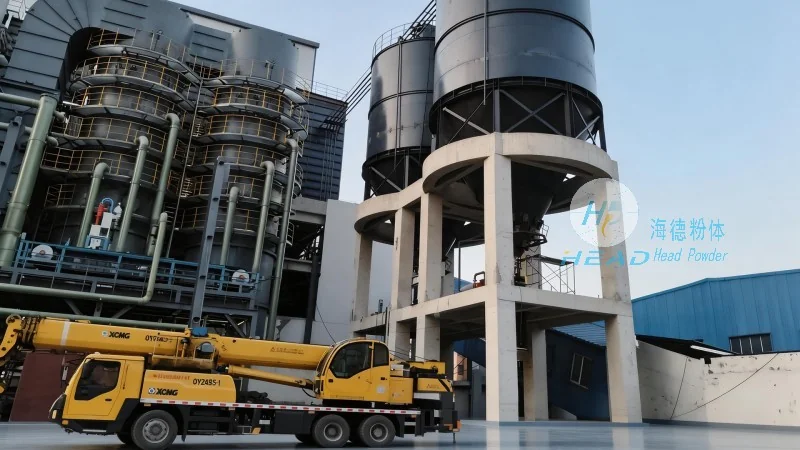
Company Profile: Shandong HeadPowder Engineering Co., Ltd.
Shandong HeadPowder Engineering Co., Ltd., a leading manufacturer in the field of material handling equipment, specializes in the design, manufacturing, and supply of pneumatic conveying systems for various industrial applications. With a strong focus on innovation and quality, the company has established itself as a trusted partner for clients seeking reliable and efficient solutions for their material transport needs. HeadPowder's expertise lies in customizing equipment to meet specific customer requirements, ensuring that the systems are tailored to the unique characteristics of the materials being handled. The company's facilities are equipped with advanced manufacturing technologies and quality control measures, ensuring that each piece of equipment meets the highest standards of performance and durability. HeadPowder is committed to providing sustainable and environmentally friendly solutions, aligning with global trends in industrial efficiency and environmental responsibility. With a presence in China, the company serves clients both domestically and internationally, delivering high-quality products and services that enhance operational efficiency and reduce costs.