

High-Alumina Fly Ash Pneumatic Conveying Equipment: Understanding Its Function and Design Principles
High-alumina fly ash is a byproduct of coal combustion, widely utilized in construction materials, cement production, and other industrial applications. Efficient and reliable transportation of this material is crucial for industrial processes, and pneumatic conveying systems have emerged as a preferred solution. This article explores the concept of high-alumina fly ash pneumatic conveying equipment, detailing its design principles and operational benefits.
Introduction to High-Alumina Fly Ash Pneumatic Conveying
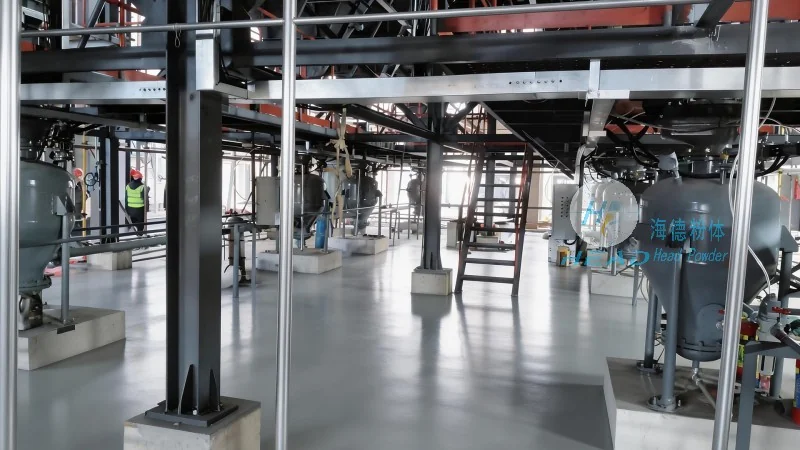
High-alumina fly ash, also known as aluminous fly ash, is characterized by its high content of aluminum oxide (Al₂O₃) and other inorganic compounds. Its fine particle size and abrasive nature make traditional bulk handling methods challenging. Pneumatic conveying systems offer a non-contact, dust-free, and energy-efficient way to transport such materials over short to medium distances. These systems use air or other gases to move the material through a pipeline, eliminating the need for mechanical components like belts or buckets that can be prone to wear and maintenance issues.
Key Components of High-Alumina Fly Ash Pneumatic Conveying Systems
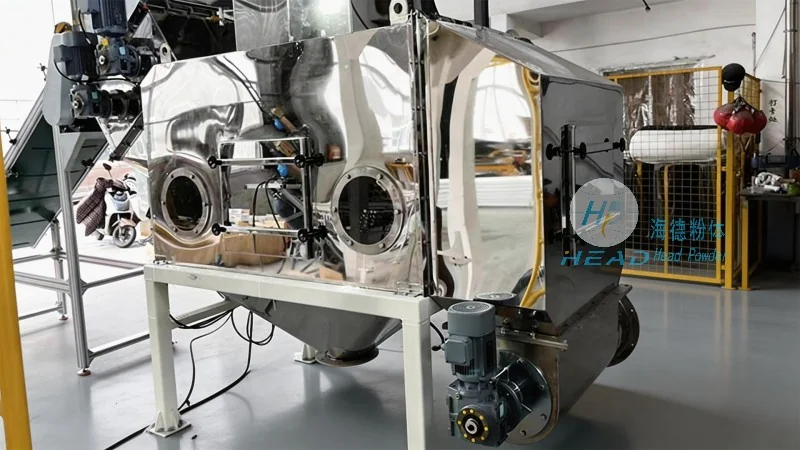
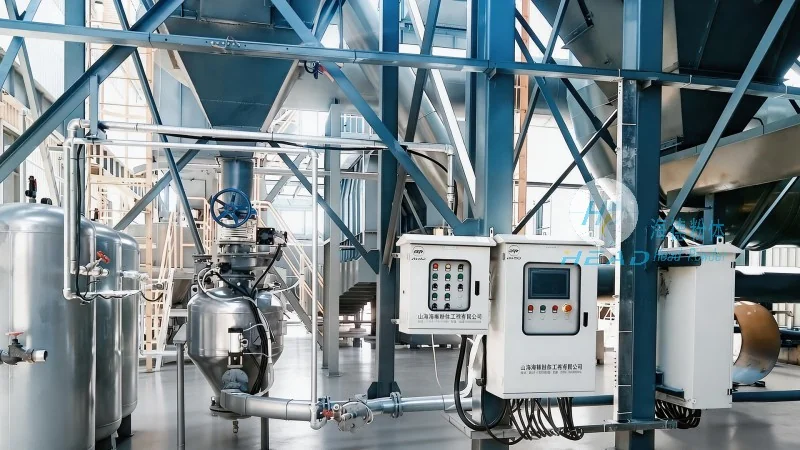
The design of a high-alumina fly ash pneumatic conveying system involves several critical components, each playing a vital role in the overall operation. The primary components include the material hopper, feeder, air compressor, conveying line, and collection hopper. The material hopper stores the fly ash and provides a controlled feed to the system. The feeder, often a rotary valve or screw feeder, ensures a consistent and controlled flow of material into the conveying line. The air compressor generates the necessary pressure or vacuum to move the material through the pipeline. The conveying line, typically made of stainless steel or other corrosion-resistant materials, is designed to withstand the abrasive nature of the fly ash. Finally, the collection hopper receives the material at the destination point, completing the transport process.
Design Principles for High-Alumina Fly Ash Pneumatic Conveying
The design of high-alumina fly ash pneumatic conveying systems follows specific principles to ensure optimal performance and longevity. One of the fundamental principles is the selection of appropriate air velocity and pressure. The air velocity must be high enough to entrain the material particles but not so high as to cause excessive wear on the system components. The pressure or vacuum level is determined based on the distance and elevation changes between the source and destination points. Another key principle is the use of corrosion-resistant materials. High-alumina fly ash can be acidic or contain abrasive particles, which can damage standard steel components over time. Stainless steel, alloy steel, or specialized coatings are commonly used to protect the system from corrosion and wear. Additionally, the system design considers the particle size distribution and flow properties of the fly ash. Proper sizing of the feeder and conveying line ensures that the material flows smoothly without clogging or causing pressure drops. The system also incorporates features like pulse jets or vibration to prevent material buildup and maintain consistent operation.
Operational Benefits and Applications
High-alumina fly ash pneumatic conveying systems offer several advantages over traditional bulk handling methods. These include reduced labor costs, as the system operates automatically with minimal human intervention. The non-contact nature of the process minimizes material contamination and product degradation, which is critical for applications where the fly ash quality is paramount. The dust-free operation enhances workplace safety and environmental compliance, as it eliminates the need for dust suppression systems or additional filtration. Additionally, the systems are compact and can be integrated into existing industrial facilities, saving space and installation costs. These benefits make high-alumina fly ash pneumatic conveying systems suitable for various applications, including the transportation of fly ash from power plants to cement factories, the handling of fly ash in construction material production lines, and the distribution of fly ash for industrial blending processes.
Conclusion and Company Overview
High-alumina fly ash pneumatic conveying equipment is a critical component in modern industrial processes, providing efficient and reliable transportation of this valuable material. The design principles, including the selection of appropriate components, materials, and operational parameters, ensure that the system operates effectively and maintains its performance over time. As the demand for high-alumina fly ash in construction and other industries continues to grow, the importance of reliable conveying systems cannot be overstated. Shandong HeadPowder Engineering Co., Ltd., a leading manufacturer in this field, specializes in designing and manufacturing customized pneumatic conveying systems tailored to the specific needs of clients. With a focus on quality, durability, and efficiency, HeadPowder provides solutions that enhance productivity and reduce operational costs for industrial facilities handling high-alumina fly ash. The company's expertise in material handling and pneumatic conveying technology ensures that clients receive systems that meet the highest standards of performance and reliability.