

What is PTFE Material Pneumatic Conveying Equipment? And What Are Its Design Principles?
PTFE (Polytetrafluoroethylene) material pneumatic conveying equipment is a specialized system designed to transport PTFE-based powders and granules through a pneumatic process. This equipment is crucial in industries where PTFE materials are processed, such as chemical manufacturing, aerospace, and high-tech applications. Understanding the equipment's functionality and design principles is essential for optimizing material handling efficiency and ensuring product quality.
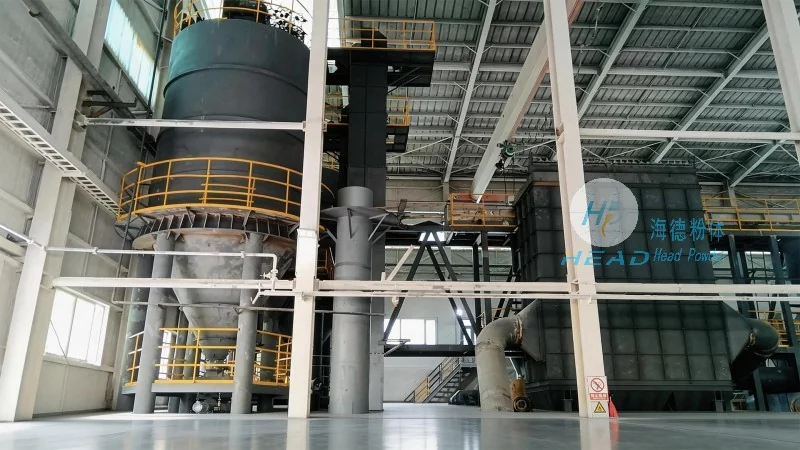
Introduction to PTFE Material Pneumatic Conveying Equipment
PTFE is a high-performance fluoropolymer known for its exceptional chemical resistance, low friction, and thermal stability. These properties make PTFE an ideal material for applications requiring durability and non-stick surfaces. However, handling PTFE powders and granules can be challenging due to their fine particle size and tendency to agglomerate. Pneumatic conveying equipment addresses these challenges by using air or other gases to transport the material from one location to another, minimizing contamination and maintaining product integrity.
Key Components of PTFE Material Pneumatic Conveying Systems
The PTFE material pneumatic conveying system typically consists of several key components that work in tandem to ensure efficient material transport. These components include the material hopper, feeder, conveying line, and discharge device. The material hopper is designed to store the PTFE powder or granules, providing a consistent feed to the system. The feeder, often a rotary valve or screw feeder, controls the flow rate of the material into the conveying line. The conveying line, usually made of stainless steel or other corrosion-resistant materials, is where the material is propelled by the air stream. The discharge device, such as a rotary valve or a venturi, regulates the release of the material at the destination point.
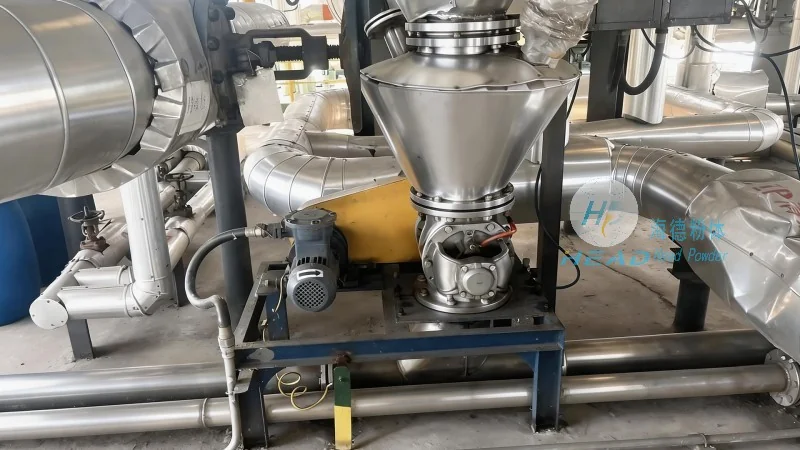
Working Principle of PTFE Material Pneumatic Conveying Equipment
The core of the PTFE material pneumatic conveying equipment is the pneumatic transport mechanism. The system operates by creating a pressure differential between the inlet and outlet of the conveying line. Air is introduced into the system, either by a blower or a compressor, and is directed through the conveying line. As the air flows, it entrains the PTFE particles, forming a slurry or suspension that is carried to the discharge point. The velocity of the air stream is critical; it must be sufficient to overcome the gravitational force of the particles and maintain a stable flow. The design of the conveying line, including its diameter and length, is optimized to ensure that the air velocity remains within the appropriate range for efficient transport.
Design Principles for PTFE Material Pneumatic Conveying Equipment
Designing PTFE material pneumatic conveying equipment requires careful consideration of several factors to ensure optimal performance and longevity. First, the material of construction is critical. Since PTFE is a fluoropolymer, the equipment components must be resistant to chemical attack and high temperatures. Stainless steel, PTFE-lined components, or other corrosion-resistant materials are commonly used to prevent degradation of the system. Second, the system must be designed to handle the specific properties of PTFE powders, such as their low bulk density and tendency to create dust. This involves selecting appropriate feeders and conveying line diameters to prevent clogging and ensure smooth flow. Third, the system must be equipped with proper filtration and dust collection to maintain a clean environment and comply with environmental regulations. Finally, the design must consider the overall system efficiency, including energy consumption and maintenance requirements.
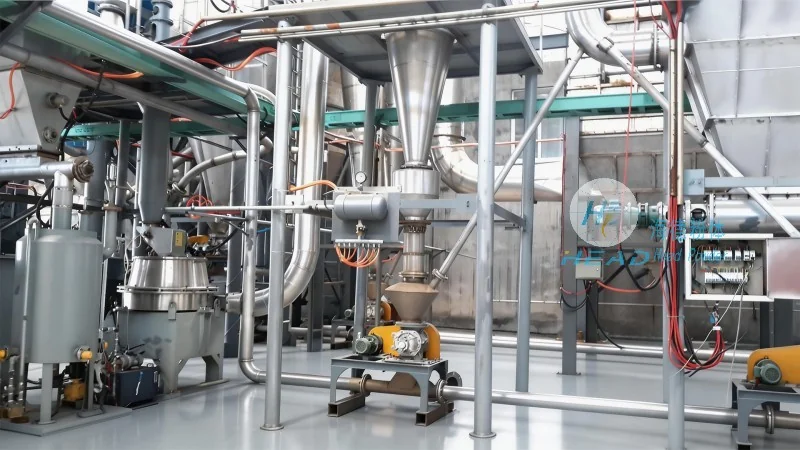
Applications of PTFE Material Pneumatic Conveying Equipment
PTFE material pneumatic conveying equipment is widely used in various industries that require the handling of PTFE powders and granules. In the chemical industry, it is used to transport PTFE powders used in the production of coatings, adhesives, and specialty chemicals. In the aerospace industry, PTFE is used for non-stick surfaces on aircraft components, and the conveying equipment ensures that the material is delivered to the manufacturing line without contamination. In high-tech manufacturing, PTFE is used in electronic components and medical devices, where the purity of the material is paramount. The equipment's ability to maintain product integrity and minimize contamination makes it indispensable in these applications.
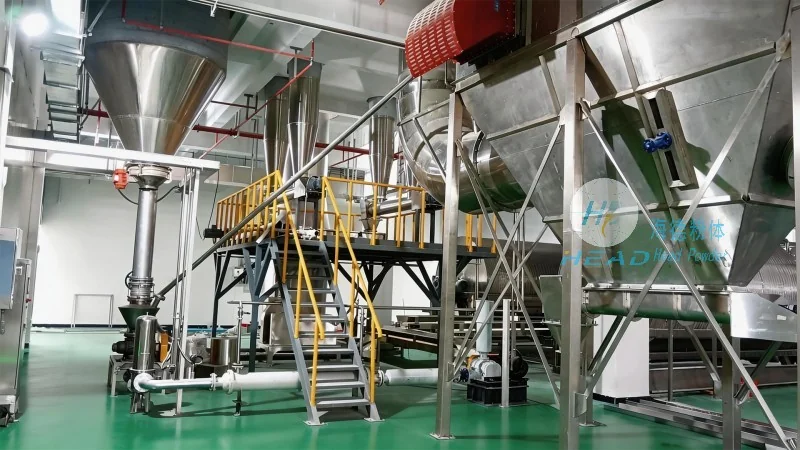
Advantages of Using PTFE Material Pneumatic Conveying Equipment
There are several advantages to using PTFE material pneumatic conveying equipment for material handling. First, it offers a clean and dust-free transport process, which is essential for maintaining the purity of PTFE materials. Unlike mechanical conveying systems, which can cause particle attrition and contamination, pneumatic conveying minimizes these issues. Second, the system is flexible and can be easily integrated into existing production lines. It can transport materials over long distances and through multiple points, making it suitable for complex manufacturing processes. Third, the equipment is energy-efficient compared to other transport methods, such as bulk handling systems. Finally, the system is relatively low-maintenance, with components designed to withstand the harsh conditions of PTFE material handling.
Conclusion
PTFE material pneumatic conveying equipment is a vital component in industries that rely on PTFE materials. Its design and functionality are tailored to address the unique challenges of handling PTFE powders and granules, ensuring efficient, clean, and reliable transport. By understanding the key components, working principles, and design principles of this equipment, manufacturers can optimize their material handling processes and maintain the high quality of their products. As a leading provider of such equipment, Shandong HeadPowder Engineering Co., Ltd. specializes in designing and manufacturing PTFE material pneumatic conveying systems that meet the specific needs of their clients, ensuring superior performance and durability.