

What is Sesame Material Pneumatic Conveying Equipment? And What Are Its Design Principles?
Sesame is a highly valued oilseed and spice, widely used in food processing, cosmetics, and other industries. The efficient handling and transportation of sesame from production sites to processing facilities are critical for maintaining product quality and operational efficiency. Pneumatic conveying equipment has emerged as a reliable solution for this purpose, especially when dealing with delicate and high-value materials like sesame. This article explores the concept of sesame material pneumatic conveying equipment and delves into its underlying design principles, providing insights into how such systems are engineered to meet the unique demands of sesame processing.
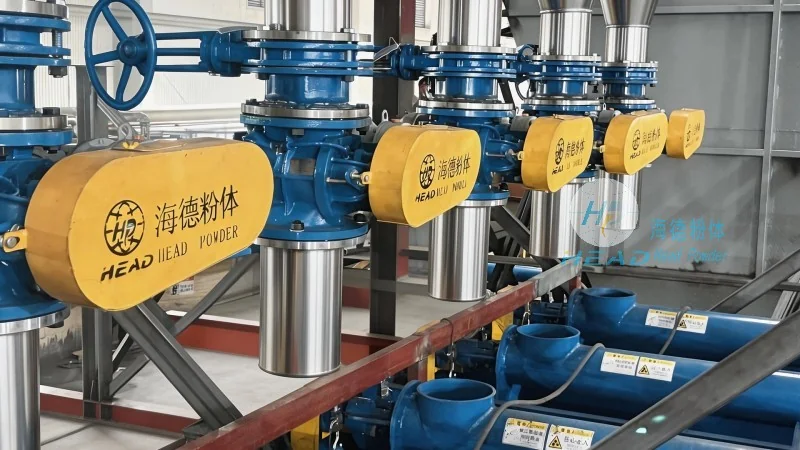
Introduction to Sesame Material Pneumatic Conveying Equipment
Pneumatic conveying systems are used to transport bulk materials through a pipeline using a gas stream, typically air or other gases. In the context of sesame processing, these systems are designed to handle the specific characteristics of sesame seeds, such as their small size, high oil content, and susceptibility to breakage. The equipment is engineered to ensure minimal product degradation, consistent flow rates, and efficient transfer from storage silos, hoppers, or processing units to packaging or further processing stages. HeadPowder, a leading manufacturer of industrial conveying solutions, specializes in developing customized pneumatic conveying systems tailored to the needs of sesame processors.
Key Components of a Sesame Material Pneumatic Conveying System
A typical pneumatic conveying system for sesame materials consists of several core components that work in tandem to achieve effective material transport. These components include:
1. Feed Hopper or Silo: The system starts with a storage container where sesame seeds are held before being fed into the conveying line. The hopper is designed to maintain a consistent material level and may include features like level sensors and discharge gates to control the flow of material.
2. Air Supply System: This component generates the necessary air pressure or vacuum to move the material through the pipeline. It typically includes a blower or compressor, air filters, and pressure regulators to ensure a stable and clean air supply. The air quality is critical, as contaminated air can affect the purity of the sesame product.
3. Conveying Pipeline: The pipeline is the main channel through which sesame seeds are transported. It is usually made of materials like stainless steel or food-grade plastic to prevent contamination and ensure durability. The pipeline design considers factors such as material flow rate, pressure drop, and the need for bends or changes in direction.
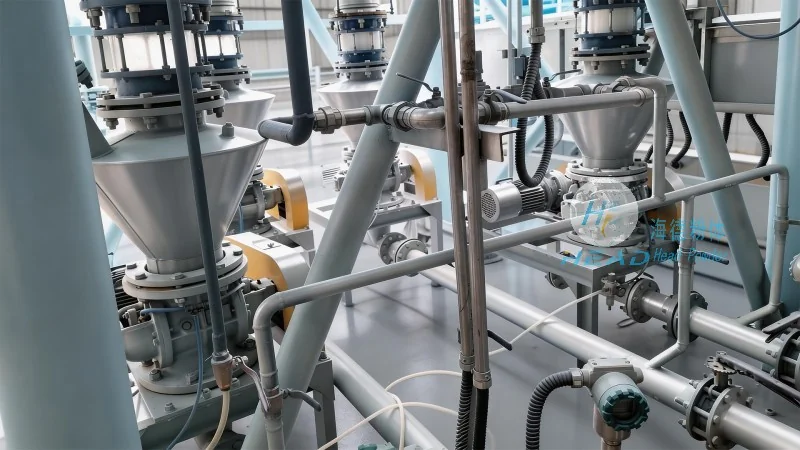
4. Control Valves and Regulators: These components are used to control the flow of air and material within the system. They include valves for regulating pressure, flow meters to monitor the rate of material transport, and check valves to prevent backflow. Proper control is essential for maintaining system efficiency and preventing material blockages.
5. Receiver or Discharge Hopper: The material is discharged into a receiving hopper or silo at the end of the conveying line. This component is designed to collect the sesame seeds and may include features like level indicators and discharge mechanisms for further processing or packaging.
Design Principles for Efficient Sesame Material Pneumatic Conveying
The design of a pneumatic conveying system for sesame materials involves several key principles aimed at optimizing performance, minimizing product damage, and ensuring long-term reliability. These principles include:
1. Material Compatibility: The system components must be compatible with sesame seeds, which are sensitive to moisture, temperature, and physical stress. Materials like stainless steel, food-grade plastics, and specialized coatings are used to prevent contamination and ensure the integrity of the product.
2. Pressure and Flow Optimization: The system is designed to operate at optimal pressure and flow rates to minimize energy consumption while ensuring consistent material transport. The pressure drop along the pipeline is carefully calculated to avoid excessive energy use or material degradation due to high velocities.
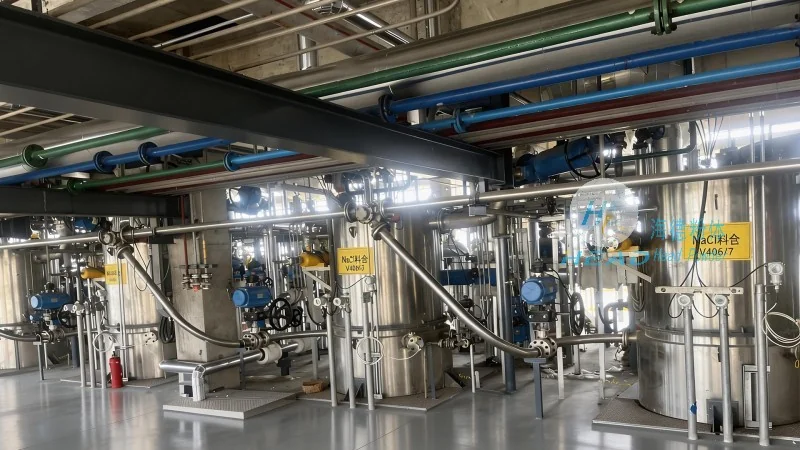
3. Prevention of Blockages: Sesame seeds can be prone to bridging or caking in the pipeline, which can cause system failures. Design features such as agitators, vibrators, and inclined pipelines are incorporated to prevent blockages and ensure smooth material flow.
4. Energy Efficiency: Modern pneumatic conveying systems are designed with energy efficiency in mind. This includes using high-efficiency blowers, optimizing pipeline dimensions, and implementing control strategies that minimize energy waste during start-up and idle periods.
5. Scalability and Customization: Sesame processing facilities vary in size and capacity, so the conveying system must be scalable to meet different production needs. HeadPowder offers customized solutions that can be adjusted to handle varying volumes of sesame material, ensuring that the system can grow with the business.
Benefits of Using Sesame Material Pneumatic Conveying Equipment
Implementing a pneumatic conveying system for sesame materials offers several advantages over traditional methods like belt conveyors or manual handling. These benefits include:
1. Reduced Product Damage: Pneumatic conveying uses low-velocity air to transport materials, minimizing the risk of breakage or bruising to sesame seeds. This helps maintain the quality and market value of the product.
2. Improved Hygiene and Cleanliness: The enclosed system prevents contamination from dust, moisture, or other external factors, ensuring that the sesame remains clean and free from contaminants.
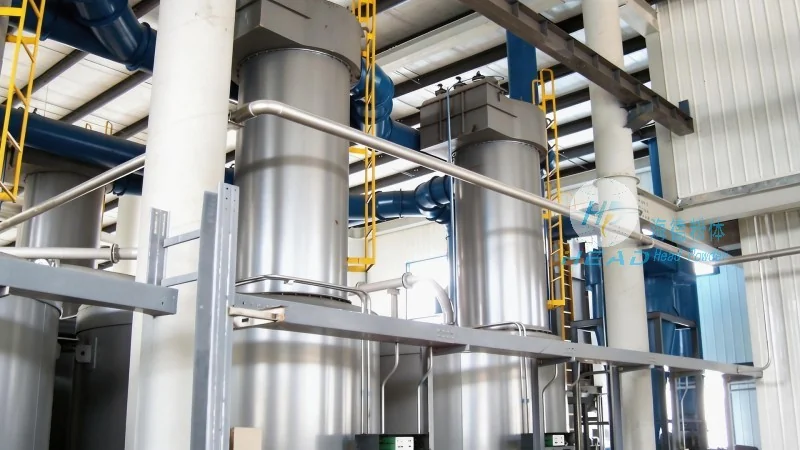
3. Enhanced Process Control: The system allows for precise control over material flow rates, pressure, and temperature, enabling better process monitoring and quality management.
4. Space Efficiency: Pneumatic conveying systems are compact and can be installed in tight spaces, making them suitable for facilities with limited floor area.
5. Cost-Effectiveness: While the initial investment may be higher, the long-term benefits of reduced maintenance, lower energy consumption, and improved product quality make pneumatic conveying a cost-effective solution for sesame processing.
HeadPowder's Expertise in Sesame Material Pneumatic Conveying
HeadPowder Engineering Co., Ltd., based in Shandong, China, is a leading manufacturer of industrial conveying equipment. With years of experience in the food processing industry, HeadPowder specializes in developing customized pneumatic conveying systems for a wide range of bulk materials, including sesame. The company's team of engineers and technicians work closely with clients to understand their specific requirements and design systems that meet their operational needs. HeadPowder's commitment to quality, innovation, and customer satisfaction has made it a trusted partner for sesame processors worldwide.
Whether you are a small-scale sesame producer or a large-scale processing facility, HeadPowder offers tailored pneumatic conveying solutions that enhance efficiency, maintain product quality, and support sustainable operations. By leveraging advanced design principles and high-quality materials, HeadPowder ensures that its systems are reliable, durable, and capable of handling the unique challenges of sesame material handling.