

What is an Automatic Quantitative Material Handling System? What Are Its Design Principles?
Automatic quantitative material handling systems are advanced industrial equipment designed to precisely measure, transport, and dispense bulk materials with high accuracy and efficiency. These systems are widely used in various industries, including pharmaceuticals, food processing, chemicals, and manufacturing, where consistent and controlled material flow is critical for quality control and operational reliability.
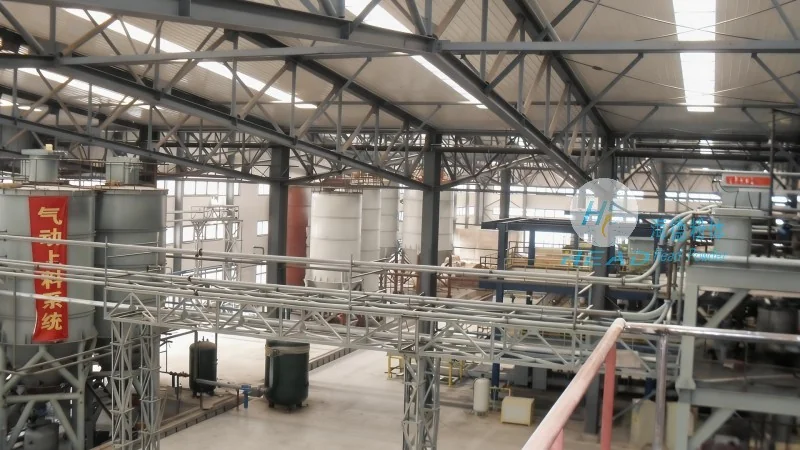
Introduction to Automatic Quantitative Material Handling Systems
At the core of these systems is the ability to handle bulk materials such as powders, granules, or liquids, ensuring that each batch or portion is delivered with minimal variation. The systems integrate multiple components, including feeders, conveyors, control units, and measurement devices, to achieve precise material handling. This technology eliminates human error and improves production consistency, making it indispensable in modern manufacturing processes.
About Shandong HeadPowder Engineering Co., Ltd.
Headpowder, the company behind the development and manufacturing of these advanced systems, is a leading provider of material handling solutions. With headquarters in Shandong, China, Headpowder specializes in engineering and supplying high-quality equipment tailored to the specific needs of different industries. The company’s commitment to innovation and precision has established it as a trusted partner for businesses seeking reliable and efficient material handling solutions.
Design Principles of Automatic Quantitative Material Handling Systems
The design of an automatic quantitative material handling system is based on several key principles that ensure accuracy, reliability, and adaptability. One of the fundamental principles is the use of precise measurement and control mechanisms. These systems typically employ sensors, load cells, or other measurement devices to monitor the material flow in real-time, allowing for immediate adjustments to maintain the desired quantity. The control unit, often a programmable logic controller (PLC) or a digital control system, processes the measurement data and adjusts the feeder speed or other parameters to achieve the target output.
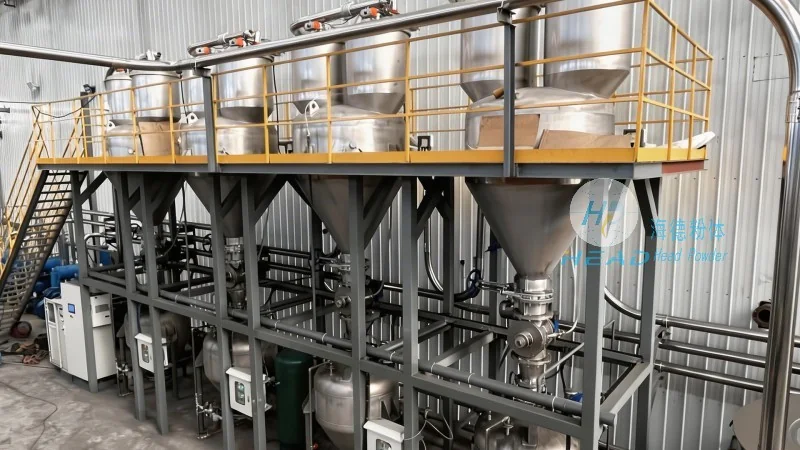
Another critical design principle is the integration of material feeding and conveying components. The system may include a hopper or bin to store the bulk material, followed by a feeder (such as a screw feeder, vibratory feeder, or rotary valve) that regulates the flow rate. The feeder is connected to a conveyor or transfer mechanism that transports the material to the dispensing point. The design of these components must consider factors like material properties (e.g., density, flowability, moisture content) to ensure consistent feeding and prevent issues like bridging or clogging.
Key Components and Their Functions
Automatic quantitative material handling systems consist of several interconnected components, each playing a vital role in the overall operation. The primary components include:
1. Hopper or Storage Bin: This component holds the bulk material and provides a stable supply to the feeder. The design of the hopper, including its shape and size, is crucial for preventing material bridging and ensuring smooth flow.
2. Feeder: The feeder is the heart of the system, responsible for controlling the material flow rate. Common types include screw feeders, vibratory feeders, and rotary valves. These feeders adjust the flow based on the system’s control signals to achieve the desired quantity.
3. Conveyor or Transfer System: This component transports the material from the feeder to the dispensing point. It may include belt conveyors, screw conveyors, or pneumatic systems, depending on the material and application requirements.
4. Measurement and Control Unit: This unit monitors the material flow and adjusts the feeder speed or other parameters to maintain the target quantity. It typically includes sensors (e.g., load cells, photoelectric sensors) and a control system (e.g., PLC) to process data and send control signals.
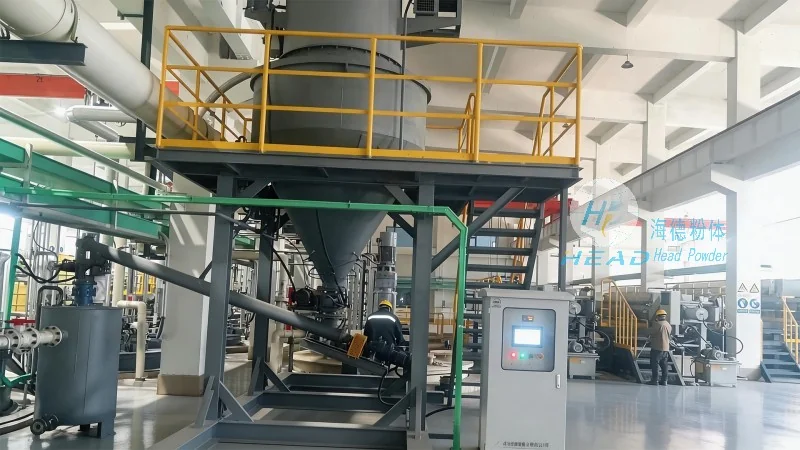
5. Dispensing Device: The final component where the material is dispensed, such as a dosing valve, pump, or spout, ensuring the material is released in the correct amount.
How the System Works: A Step-by-Step Process
The operation of an automatic quantitative material handling system follows a systematic process to ensure accurate material delivery. The steps typically include:
1. Material Loading: The bulk material is loaded into the hopper or storage bin. The system may include a level sensor to monitor the material level and trigger refilling when necessary.
2. Feeder Activation: The control unit activates the feeder, which starts moving the material from the hopper. The feeder speed is adjusted based on the target quantity and material flow characteristics.
3. Material Transport: The material is transported through the conveyor or transfer system to the dispensing point. The system may include sensors to detect the material position or flow rate during transport.
4. Measurement and Adjustment: The measurement device (e.g., load cell) monitors the amount of material being dispensed. If the measured quantity deviates from the target, the control unit adjusts the feeder speed or other parameters to correct the deviation.
5. Dispensing and Completion: Once the target quantity is reached, the dispensing device releases the material, and the system may reset or prepare for the next batch. The control unit records the output data for quality control and process optimization.
Benefits of Using Automatic Quantitative Material Handling Systems
Implementing an automatic quantitative material handling system offers numerous benefits to businesses across various industries. These benefits include:
1. High Accuracy and Consistency: The systems ensure that each batch or portion of material is delivered with minimal variation, meeting strict quality standards and regulatory requirements.
2. Increased Efficiency and Productivity: By automating the material handling process, businesses can reduce downtime, increase production speed, and improve overall operational efficiency.
3. Reduced Labor Costs: Automation minimizes the need for manual labor in material handling tasks, lowering labor costs and reducing the risk of human error.
4. Improved Safety: The systems eliminate the need for workers to handle heavy or hazardous materials manually, reducing workplace accidents and improving safety standards.
5. Flexibility and Adaptability: Modern systems can be easily configured to handle different materials and production requirements, making them suitable for a wide range of applications.
Applications in Different Industries
Automatic quantitative material handling systems are versatile and find applications in various industries where precise material handling is essential. Some common applications include:
1. Pharmaceutical Industry: In pharmaceutical manufacturing, these systems are used to handle active pharmaceutical ingredients (APIs) and excipients with high precision, ensuring compliance with stringent quality control standards.
2. Food and Beverage Industry: The systems are used to handle ingredients like powders, granules, and liquids in food processing, ensuring consistent product quality and meeting food safety regulations.
3. Chemical Industry: In chemical manufacturing, the systems handle raw materials and intermediates with accuracy, supporting the production of high-purity chemicals and reducing waste.
4. Manufacturing Industry: These systems are used in manufacturing processes to handle raw materials, such as metal powders or plastic granules, for injection molding or other production steps.
Conclusion
Automatic quantitative material handling systems are sophisticated industrial solutions that play a critical role in modern manufacturing processes. By integrating precise measurement, control, and material handling components, these systems ensure accurate and efficient material delivery, improving product quality, operational efficiency, and safety. With the expertise of companies like Shandong HeadPowder Engineering Co., Ltd., businesses can access reliable and customized material handling solutions tailored to their specific needs, driving success in today’s competitive industrial landscape.