

What is Stearic Acid Sodium Material Handling Equipment? And What Are Its Design Principles?
Stearic acid sodium, a common chemical compound, often requires specialized equipment for efficient material handling in industrial applications. This article explores the nature of stearic acid sodium material handling equipment and its underlying design principles, providing a comprehensive overview for professionals in the field.

Understanding Stearic Acid Sodium
Stearic acid sodium, also known as sodium stearate, is a sodium salt of stearic acid. It is widely used in various industries, including cosmetics, pharmaceuticals, and food processing, due to its emulsifying and stabilizing properties. The handling of this material demands equipment that can manage its physical characteristics, such as its solid state at room temperature and its tendency to form lumps or agglomerates.
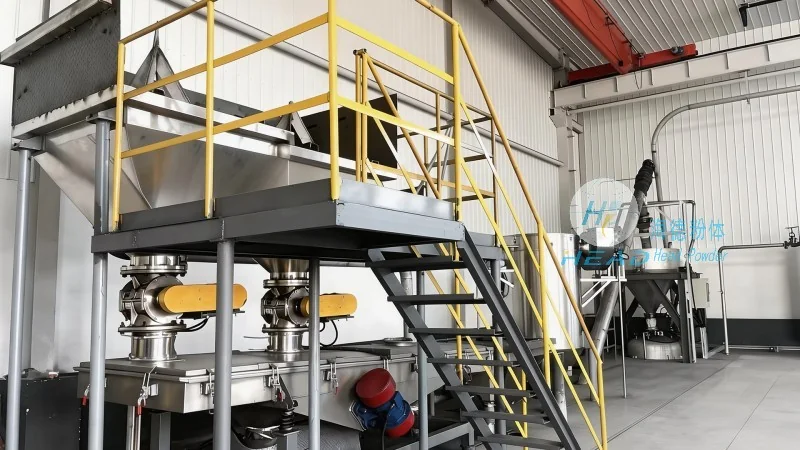
Key Features of Material Handling Equipment for Stearic Acid Sodium
The material handling equipment for stearic acid sodium is designed to address the unique challenges associated with this compound. Key features include:
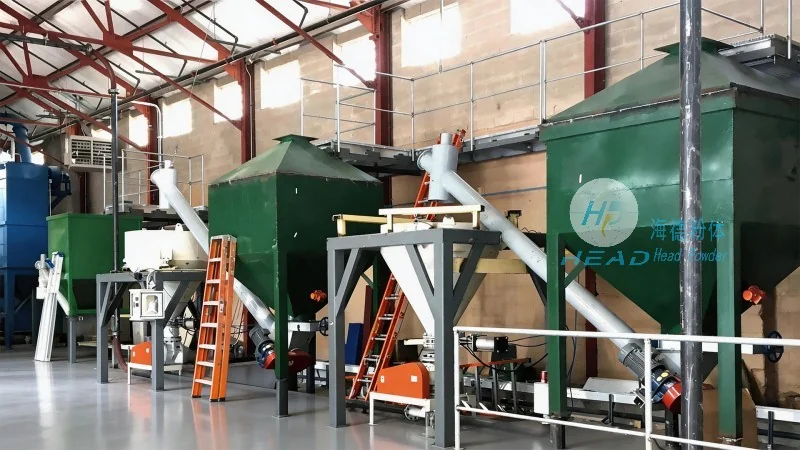
- Adaptive feeding mechanisms to handle the material's tendency to stick or form lumps, ensuring consistent flow rates.
- Temperature control systems to maintain the material in a manageable state, as stearic acid sodium can be brittle or prone to caking at certain temperatures.
- Corrosion-resistant materials for the equipment components, as the chemical nature of the compound may require protection against degradation.
- Integrated dust control systems to comply with safety and environmental regulations, given the fine nature of the material.
Design Principles of Stearic Acid Sodium Material Handling Equipment
The design of stearic acid sodium material handling equipment is guided by several fundamental principles to ensure efficiency, safety, and durability. These principles include:
- Material Compatibility: The equipment must be constructed from materials that are chemically compatible with stearic acid sodium to prevent reactions or degradation over time.
- Process Integration: The design should allow seamless integration with existing production lines, minimizing downtime and operational complexity.
- Energy Efficiency: Modern equipment incorporates energy-saving features, such as variable speed drives, to reduce operational costs while maintaining performance.
- Safety and Compliance: The equipment adheres to industry safety standards and regulations, including measures to prevent dust explosions and ensure operator safety.
Applications and Benefits
Stearic acid sodium material handling equipment is crucial in processes where the compound is used as an ingredient or additive. The benefits of using specialized equipment include improved product quality, reduced waste, and enhanced operational efficiency. For example, in the cosmetics industry, consistent handling of stearic acid sodium ensures uniform emulsification in products, leading to better texture and stability.

Conclusion
Stearic acid sodium material handling equipment is a critical component in the industrial processing of this versatile chemical. By understanding its design principles and features, manufacturers can select the appropriate equipment to meet their specific needs, ensuring optimal performance and safety in their operations. Shandong HeadPowder Engineering Co., Ltd., with its expertise in engineering and material handling solutions, provides tailored equipment to support the efficient processing of stearic acid sodium in various applications.