

What is a High-Pressure Dense Phase Powder Conveying System? And What Are Its Design Principles?
High-pressure dense phase powder conveying systems represent a sophisticated method for transporting bulk powders efficiently and reliably. These systems are particularly valuable in industries where material handling demands precision, control, and minimal product degradation. The core of such systems lies in their ability to move powders in a dense, slurry-like state, which significantly reduces the risk of segregation, agglomeration, and material loss compared to traditional pneumatic or mechanical conveying methods.
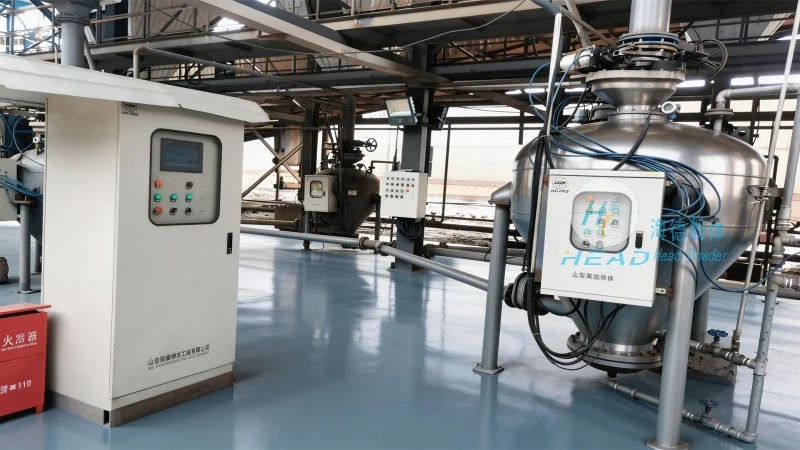
Understanding the Core Components of High-Pressure Dense Phase Systems
At the heart of a high-pressure dense phase powder conveying system are several key components that work in concert to achieve effective material transport. The primary elements include a high-pressure pump, a pressure vessel or surge tank, a conveying line, and a control system. The high-pressure pump is responsible for generating the necessary pressure to force the powder through the system. This pump can be either a positive displacement type, such as a piston or plunger pump, or a centrifugal pump, depending on the specific application and material characteristics. The pressure vessel or surge tank serves as a buffer, maintaining consistent pressure and preventing pressure spikes that could damage equipment or cause material spillage. The conveying line, typically made of stainless steel or other corrosion-resistant materials, is designed to withstand the high pressures and abrasive nature of the powders being transported. Finally, the control system monitors and regulates the pressure, flow rate, and other parameters to ensure smooth and safe operation.
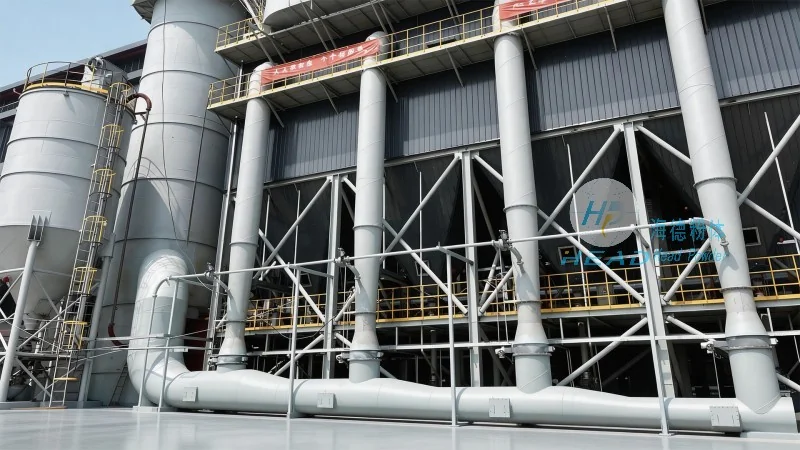
The Design Principles Behind High-Pressure Dense Phase Conveying
The design principles of high-pressure dense phase powder conveying systems are centered on achieving a dense, homogeneous flow of material. This is achieved by introducing a small amount of air or gas into the powder stream, which is then pressurized and forced through the conveying line. The key design considerations include the selection of appropriate pump type and pressure levels, the sizing of the pressure vessel and conveying line, and the control of the air-to-powder ratio. The air is typically introduced at the inlet of the system, either by a venturi or a metering device, to create a slurry that flows as a single phase. The pressure is maintained at a level sufficient to overcome the friction losses in the line and any elevation changes, ensuring that the material moves at a consistent velocity. The design also incorporates safety features, such as pressure relief valves and emergency shut-off mechanisms, to protect both the equipment and personnel from potential hazards.
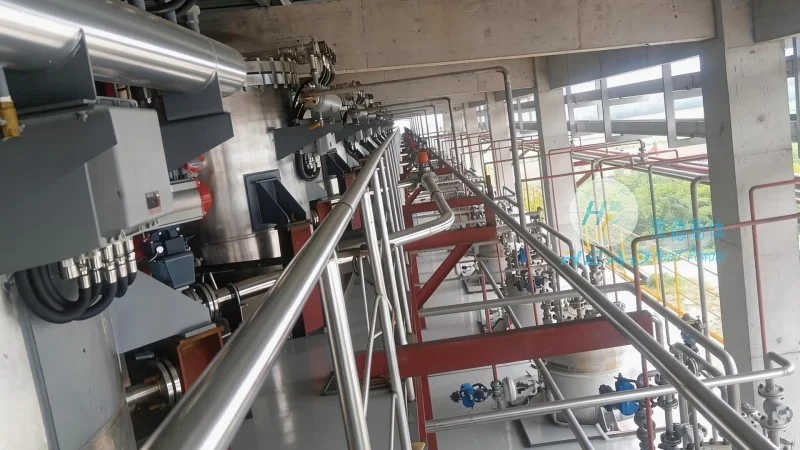
Applications and Benefits of High-Pressure Dense Phase Systems
High-pressure dense phase powder conveying systems are widely used in various industries, including pharmaceuticals, food processing, chemical manufacturing, and mining. In the pharmaceutical industry, these systems are essential for transporting sensitive powders, such as active pharmaceutical ingredients (APIs), without causing contamination or degradation. The dense phase flow ensures that the powder remains in a uniform state, preventing segregation and maintaining product quality. In food processing, these systems are used to transport ingredients like flour, sugar, and spices, where maintaining the integrity of the product is critical. The benefits of high-pressure dense phase systems extend beyond product quality; they also offer operational advantages, such as reduced energy consumption compared to traditional pneumatic systems, lower maintenance costs due to fewer moving parts, and improved safety due to the enclosed nature of the system. Additionally, these systems can handle a wide range of powder characteristics, from fine powders to bulkier materials, making them versatile for various applications.
Key Factors in System Design and Optimization
When designing a high-pressure dense phase powder conveying system, several factors must be carefully considered to ensure optimal performance. The first is the material characteristics of the powder, including its particle size, density, and flowability. These properties determine the appropriate pump type, pressure level, and air-to-powder ratio. For example, fine powders may require higher air flow rates to maintain a dense flow, while bulkier materials may need lower air flow rates to prevent excessive pressure drops. The second factor is the system layout, including the distance and elevation changes between the inlet and outlet points. The conveying line length and any vertical or horizontal bends must be accounted for in the pressure calculations to ensure that the system can maintain the required pressure throughout the entire transport process. The third factor is the control system, which must be capable of monitoring and adjusting the system parameters in real-time. This includes pressure sensors, flow meters, and control valves that can respond quickly to changes in the system, such as a blockage or a change in material flow rate. Proper system optimization involves balancing these factors to achieve the best combination of efficiency, reliability, and cost-effectiveness.
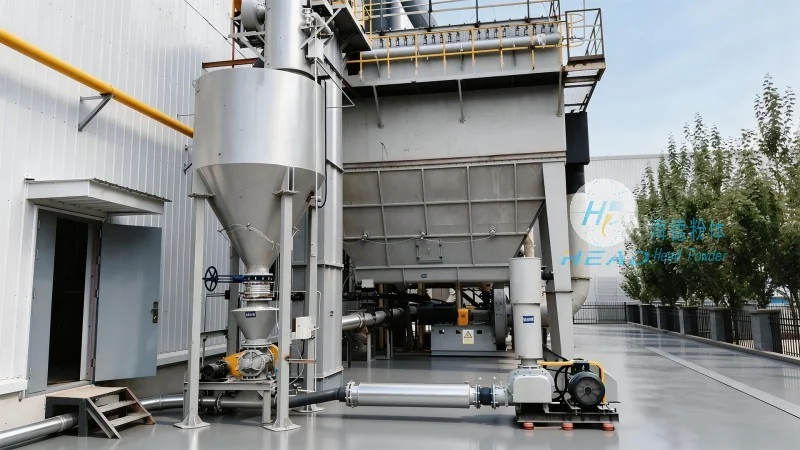
Conclusion and Company Overview
High-pressure dense phase powder conveying systems are a critical technology for industries that rely on the efficient and safe transport of bulk powders. The design principles behind these systems focus on creating a dense, homogeneous flow of material, which minimizes product degradation and ensures consistent quality. The key components, including high-pressure pumps, pressure vessels, conveying lines, and control systems, work together to achieve this goal. The applications of these systems are diverse, ranging from pharmaceuticals to food processing, and the benefits include improved product quality, reduced energy consumption, and enhanced safety. When designing and implementing such a system, careful consideration of material properties, system layout, and control strategies is essential to achieve optimal performance. Shandong HeadPowder Engineering Co., Ltd., a leading provider of powder handling solutions, specializes in the design, manufacturing, and installation of high-pressure dense phase powder conveying systems. With years of experience and a commitment to quality, HeadPowder offers tailored solutions to meet the unique needs of its clients, ensuring reliable and efficient material transport for a wide range of industrial applications.