

What is an Automatic Powder Feeding and Conveying System? What Are Its Design Principles?
For industrial applications that require precise and efficient handling of bulk powders, an automatic powder feeding and conveying system is a critical component. Such systems are engineered by companies like Shandong HeadPowder Engineering Co., Ltd., a leading provider based in China, to automate the process of feeding, transporting, and managing powders from storage to processing equipment, ensuring consistent performance and minimizing human intervention. The design principles behind such systems are centered on reliability, efficiency, and adaptability to various powder characteristics and operational requirements.
Understanding the Core Components of an Automatic Powder Feeding System
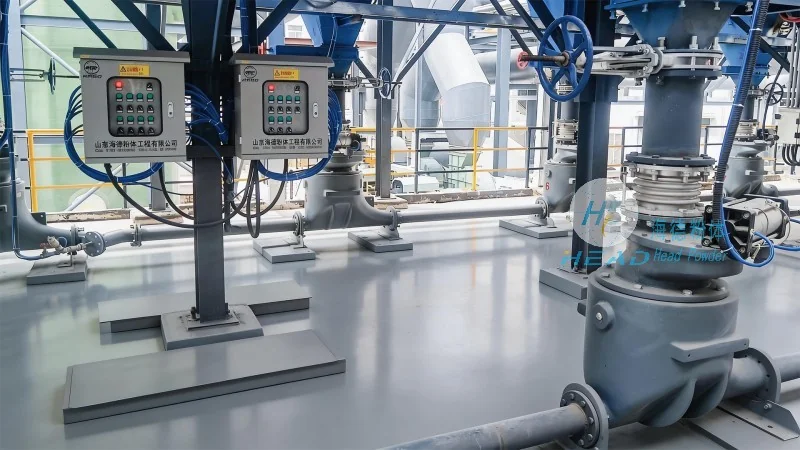
At the heart of an automatic powder feeding and conveying system lies a series of interconnected components that work in harmony to achieve seamless operation. The primary components typically include a powder storage hopper, a feeder mechanism (such as a screw feeder, vibratory feeder, or rotary valve), a conveyor system (like a pneumatic conveyor or belt conveyor), and control systems for monitoring and adjusting the process. Each component is engineered to handle specific functions, from storing the powder to transporting it to the next stage of production.
The Role of Feeder Mechanisms in Precision Feeding
Feeder mechanisms are a key element in ensuring the accurate and consistent feeding of powders. Different types of feeders are available, each suited to specific powder properties and application needs. For example, a screw feeder is ideal for free-flowing powders, providing a steady flow rate by rotating a screw within a housing. Vibratory feeders, on the other hand, use vibration to move powders, making them suitable for cohesive or sticky materials. The choice of feeder depends on factors like powder density, flowability, and the required feeding rate. The system’s design must account for these variations to maintain process stability and prevent issues like overfeeding or underfeeding.
Conveyor Systems: Ensuring Smooth Transport
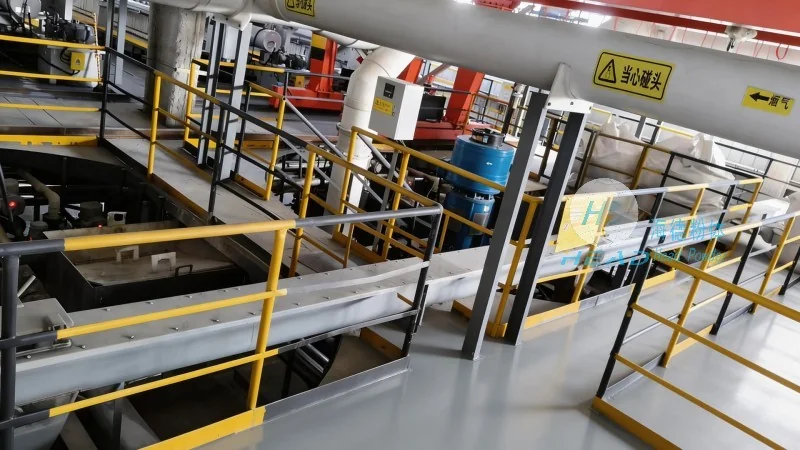
Conveying systems are responsible for transporting the powder from the feeder to the processing equipment. Pneumatic conveyors, which use air pressure to move powders, are widely used due to their ability to handle a wide range of powder types and their flexibility in layout. Belt conveyors, meanwhile, are suitable for bulkier or heavier powders, offering a continuous and reliable transport method. The design of the conveyor system must consider factors such as the length of the transport path, the elevation changes required, and the need for dust control. Proper sealing and filtration are essential to prevent powder loss and maintain a clean working environment.
Control Systems: The Brain of the Automatic System
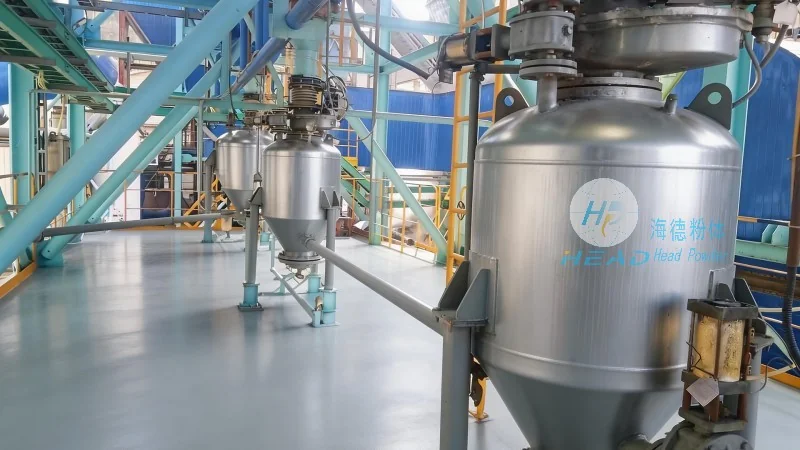
Control systems are the intelligent part of an automatic powder feeding and conveying system, responsible for monitoring and adjusting the process in real-time. These systems typically include sensors (like level sensors, flow sensors, and pressure sensors) that provide data on the powder level, flow rate, and system pressure. The control unit processes this data and adjusts the feeder speed, conveyor speed, or other parameters as needed to maintain the desired operating conditions. Advanced control systems may also incorporate feedback loops to optimize performance and adapt to changing conditions, ensuring consistent product quality and minimizing downtime.
Design Principles for Reliability and Efficiency
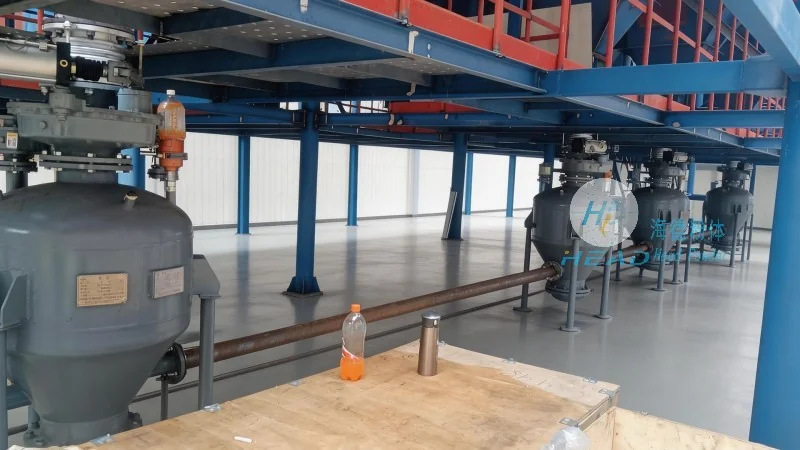
The design principles of an automatic powder feeding and conveying system prioritize reliability, efficiency, and safety. Reliability is achieved through robust construction, high-quality materials, and regular maintenance. Efficiency is ensured by optimizing the flow rate, minimizing energy consumption, and reducing downtime. Safety features, such as emergency stop buttons, overload protection, and dust suppression systems, are integrated to protect operators and the environment. The system’s design must also consider the specific characteristics of the powder being handled, including its particle size, moisture content, and flowability, to prevent issues like clogging or segregation.
Application Examples and Industry Impact
Automatic powder feeding and conveying systems are widely used in various industries, including pharmaceuticals, food processing, chemical manufacturing, and mining. In the pharmaceutical industry, for example, such systems are crucial for ensuring the accurate dosing of active ingredients and maintaining sterile conditions. In food processing, they help in the efficient handling of powders like flour, sugar, and spices, ensuring consistent product quality. The impact of these systems extends beyond efficiency, as they also contribute to improved product consistency, reduced waste, and enhanced safety in the workplace.