

What is a Quantitative Feeding Powder Material Handling Equipment? What Are Its Design Principles?
Quantitative feeding powder material handling equipment is a specialized system designed to accurately measure and transport bulk powders in industrial processes. This equipment plays a crucial role in sectors such as pharmaceuticals, food processing, and chemical manufacturing, where precise material control is essential for product quality and operational efficiency. The primary function of such systems is to ensure consistent and reliable feeding of powders, which directly impacts downstream processes like mixing, blending, and packaging.
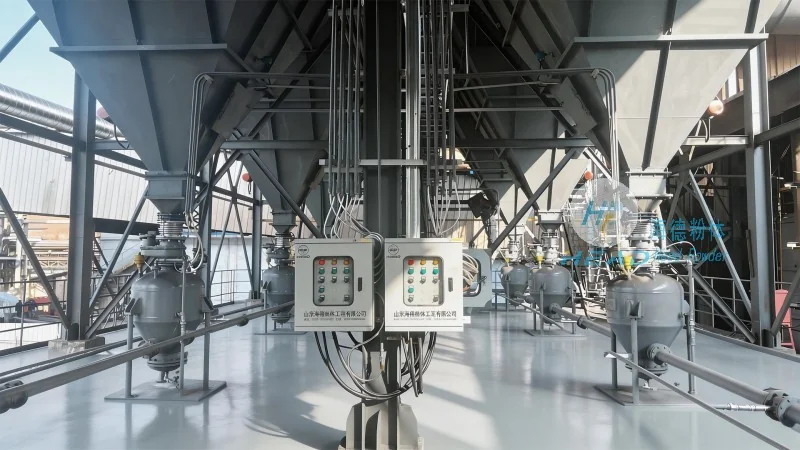
Understanding the Core Function of Quantitative Feeding Systems
The fundamental purpose of quantitative feeding equipment is to deliver a specific, pre-determined quantity of powder material at a controlled rate. This is achieved through a combination of mechanical components and control mechanisms that work in tandem to maintain accuracy and repeatability. Unlike traditional bulk handling methods, quantitative systems provide the ability to adjust feed rates in real-time, allowing for dynamic response to process changes or variations in material properties.
Key Components and Their Roles in the Equipment
Shandong HeadPowder Engineering Co., Ltd., a leading manufacturer based in China, specializes in the design and production of advanced quantitative feeding systems. The core components of these systems typically include a hopper for material storage, a feeder mechanism (such as a screw or vibratory feeder) for controlled discharge, and a control unit that regulates the feeding rate. The hopper is designed to accommodate bulk quantities of powder while minimizing material degradation, often incorporating features like airtight sealing to prevent contamination or moisture absorption. The feeder mechanism is the heart of the system, as it directly controls the flow rate of the material. For example, a screw feeder uses a rotating screw to push material forward, with the speed of rotation determining the feed rate. Vibratory feeders, on the other hand, use oscillating motion to move material, offering flexibility for different powder types and particle sizes.
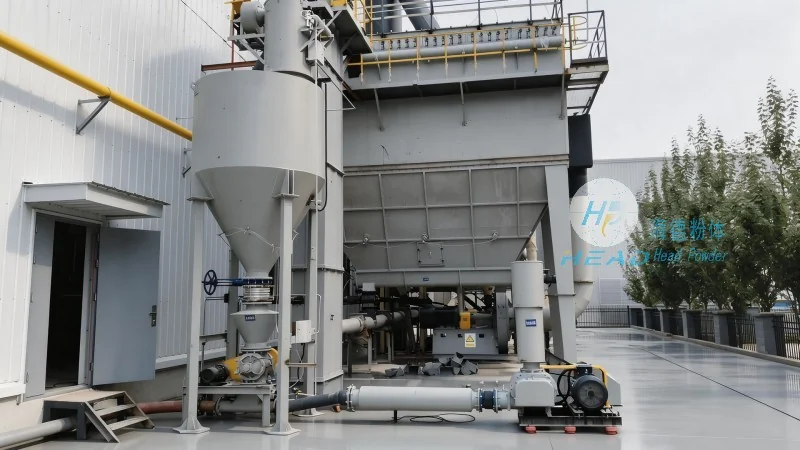
Design Principles for Precision and Reliability
The design principles of quantitative feeding equipment revolve around achieving high accuracy, durability, and adaptability. Accuracy is paramount, as even small deviations in feed rate can lead to significant variations in final product quality. To ensure precision, manufacturers employ advanced control technologies, including variable frequency drives (VFDs) and digital sensors that monitor the material flow in real-time. These systems can adjust the feeder speed dynamically based on feedback from the process, maintaining a consistent feed rate even under varying load conditions. Durability is another critical aspect, as the equipment must withstand continuous operation in harsh industrial environments. Materials used in the construction of the hopper, feeder, and control components are selected for their resistance to corrosion, wear, and temperature fluctuations. Additionally, the design incorporates features like easy maintenance access and modular components, which simplify routine checks and repairs, reducing downtime and operational costs.
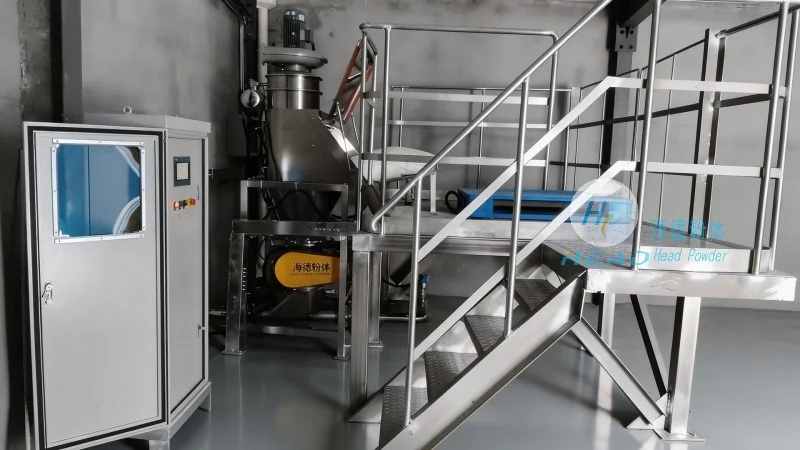
Application-Specific Considerations in Design
When designing quantitative feeding systems, engineers must consider the specific characteristics of the powder material being handled. Different powders have varying flow properties, such as angle of repose, cohesion, and bulk density, which affect how they behave in the hopper and feeder. For cohesive powders that tend to stick to surfaces, anti-adhesion coatings or special hopper designs (like cone-shaped hoppers with smooth walls) are employed to prevent material buildup. For powders with high moisture content or hygroscopic properties, the equipment may include drying or moisture control features to maintain material quality. Particle size distribution is also a key factor, as finer powders may require more precise control mechanisms to avoid clogging or uneven flow. The design process involves thorough material testing and simulation to optimize the system for the specific application, ensuring that the equipment can handle the unique challenges posed by the powder being processed.
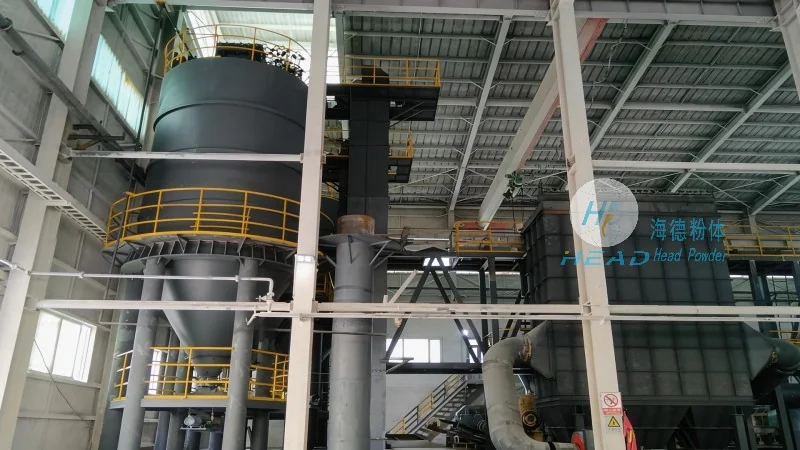
Advantages of Using Quantitative Feeding Equipment
Implementing quantitative feeding systems offers several advantages that enhance overall process performance. One of the most significant benefits is improved product consistency. By maintaining a precise feed rate, the equipment ensures that each batch of material meets the required specifications, reducing the risk of product defects or rework. This is particularly important in industries where product quality directly impacts safety or regulatory compliance, such as pharmaceuticals or food processing. Another advantage is operational efficiency. The ability to adjust feed rates quickly allows for seamless integration with other process equipment, such as mixers or blenders, enabling smoother production cycles and reduced cycle times. Additionally, the use of advanced control systems minimizes human intervention, reducing the potential for human error and improving overall process reliability. From a cost perspective, quantitative feeding equipment can help optimize material usage by preventing overfeeding or underfeeding, leading to lower material waste and reduced operational expenses over time.
Conclusion: The Role of Shandong HeadPowder in Delivering Reliable Solutions
Quantitative feeding powder material handling equipment is a vital component in modern industrial operations, providing the precision and reliability needed to maintain high-quality production standards. Shandong HeadPowder Engineering Co., Ltd., with its expertise in engineering and manufacturing, offers tailored solutions that address the specific needs of various industries. By focusing on design principles that prioritize accuracy, durability, and adaptability, the company ensures that its equipment delivers consistent performance and contributes to the overall success of its clients' operations. As industries continue to demand higher standards of efficiency and quality, the role of quantitative feeding systems will only become more critical, making them an essential investment for any business involved in bulk powder processing.