

What is a Synthetic Rubber Powder Conveying System? And What Are Its Design Principles?
Efficient material handling is a cornerstone of modern industrial operations, and for industries dealing with synthetic rubber powders, specialized conveying systems play a pivotal role. These systems are engineered to transport synthetic rubber powders—fine, granular materials derived from synthetic rubber compounds—throughout production lines, ensuring consistent flow, minimal loss, and optimal processing conditions. The design of a synthetic rubber powder conveying system must account for the unique physical and chemical properties of the material, such as its particle size distribution, density, moisture content, and tendency to agglomerate or generate dust. By addressing these factors, the system enables seamless integration into manufacturing processes, from raw material storage to final product compounding.
Key Components and Their Functions in Synthetic Rubber Powder Conveying Systems
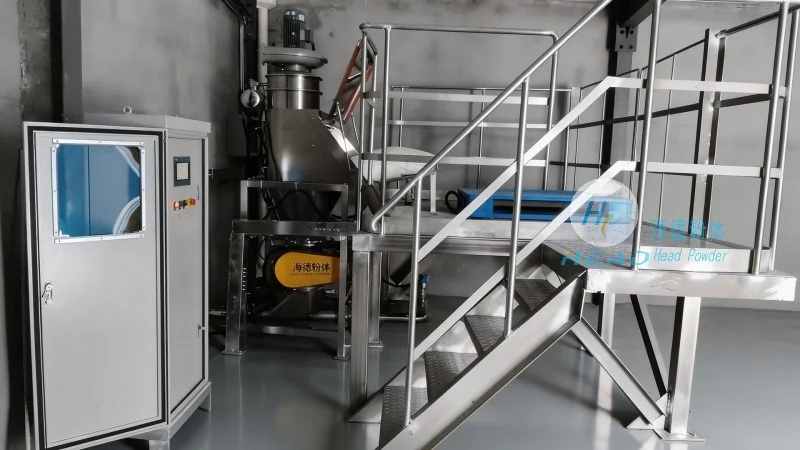
A synthetic rubber powder conveying system comprises several interdependent components, each designed to perform a specific function in the material transport process. The primary components include: (1) a feed hopper or storage silo, which stores the synthetic rubber powder and regulates the flow rate into the system; (2) a conveyor mechanism, such as a screw conveyor, pneumatic conveyor, or belt conveyor, which moves the material from the hopper to the processing unit; (3) a control system, which monitors and adjusts the speed, pressure, or flow rate to maintain optimal performance; and (4) auxiliary equipment like dust collection units, filtration systems, and material separation devices, which ensure cleanliness and prevent contamination. The feed hopper is typically designed with a sloped bottom and a discharge valve to prevent material buildup and ensure smooth feeding. The conveyor mechanism is selected based on the material's flow characteristics; for example, screw conveyors are ideal for low to medium flow rates and fine powders, while pneumatic conveyors are better suited for high-volume, low-density materials. The control system may include sensors, variable frequency drives (VFDs), and programmable logic controllers (PLCs) to provide real-time monitoring and automated adjustments. Auxiliary equipment, such as cyclone separators or bag filters, are essential for capturing dust and preventing environmental contamination, which is critical for compliance with industrial regulations.
Design Principles for Optimal Synthetic Rubber Powder Conveying Systems
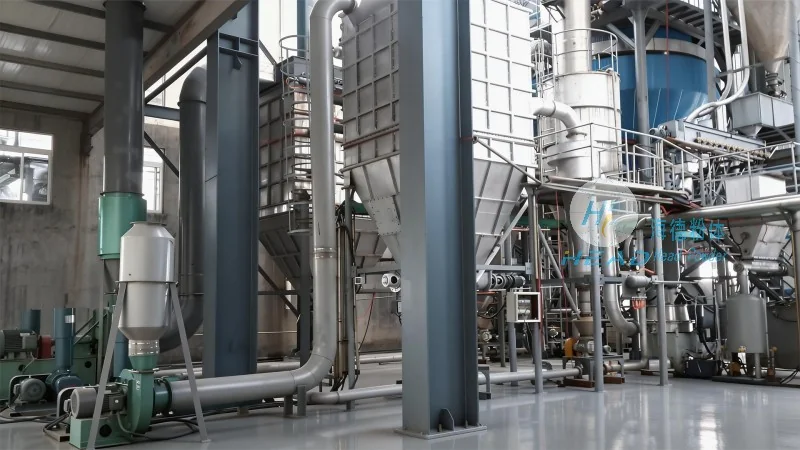
The design of a synthetic rubber powder conveying system follows several core principles aimed at maximizing efficiency, reliability, and safety. First, material compatibility is paramount: all components, including hoppers, conveyors, and piping, must be constructed from materials that resist wear, corrosion, and chemical attack from synthetic rubber powders. Common materials include stainless steel, polyethylene, and specialized coatings (e.g., Teflon or epoxy) that prevent adhesion and reduce friction. Second, the system must mitigate the risk of material blockages and agglomeration, which are common issues with cohesive powders. Design features such as vibration mechanisms, rotating paddles, or air knives are incorporated to break up clumps and maintain consistent flow. Third, dust control is a critical design consideration, as synthetic rubber powders are fine and can create airborne particles. The system includes dust collection systems (e.g., baghouses or cartridge filters) and sealed enclosures to minimize exposure and comply with occupational health and safety standards. Fourth, energy efficiency is a key design goal, with components like VFDs used to adjust motor speed and reduce energy consumption during low-flow periods. Finally, the system is designed for easy maintenance and cleaning, with removable parts and access panels that allow for regular inspection and upkeep.
Applications and Benefits of Synthetic Rubber Powder Conveying Systems
Synthetic rubber powder conveying systems are integral to a wide range of industries that rely on rubber compounds for their products. In the tire manufacturing sector, these systems are used to feed synthetic rubber powders into mixing and compounding machines, ensuring uniform material distribution and consistent tire quality. The automotive industry also benefits from these systems in the production of rubber seals, gaskets, and industrial belts, where precise material handling is essential for product performance. Other applications include the production of rubberized asphalt, adhesives, and industrial compounds, where the consistent transport of rubber powders is critical to final product properties. The benefits of using a well-designed synthetic rubber powder conveying system extend beyond operational efficiency. By minimizing material loss and contamination, these systems reduce waste and lower production costs. The automated control systems also improve process consistency, leading to higher product quality and reduced defects. Additionally, the dust control features enhance workplace safety and environmental compliance, protecting both employees and the surrounding environment. Overall, synthetic rubber powder conveying systems enable manufacturers to achieve higher throughput, lower downtime, and greater control over their production processes.
HeadPowder: Specialized Solutions for Synthetic Rubber Powder Handling
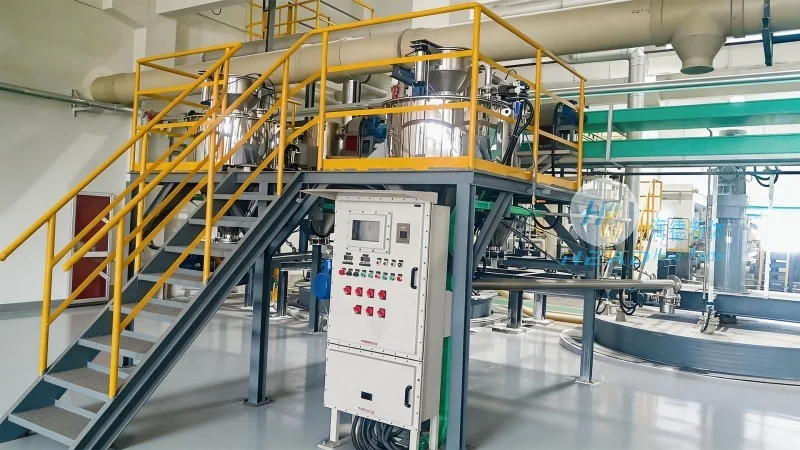
Shandong HeadPowder Engineering Co., Ltd., operating under the brand name HeadPowder, is a leading manufacturer of synthetic rubber powder conveying systems. With a strong focus on innovation and customer-centric design, HeadPowder has established itself as a trusted partner for industries requiring reliable material handling solutions. The company’s expertise lies in understanding the unique challenges of synthetic rubber powders—such as their tendency to agglomerate, generate dust, and cause equipment wear—and developing systems that address these issues effectively. HeadPowder’s team of engineers works closely with clients to assess their specific needs, from raw material storage to final product processing, and provides customized solutions tailored to their operational goals. The company’s product line includes a range of conveying systems, from small-scale screw conveyors to large-scale pneumatic systems, all designed with high-quality materials and advanced control features. HeadPowder’s commitment to quality is evident in its adherence to international standards (e.g., ISO 9001) and rigorous testing protocols to ensure system reliability and performance. The company also offers comprehensive after-sales support, including installation, maintenance, and technical assistance, to help clients maximize the lifespan and efficiency of their conveying systems. By choosing HeadPowder, industries can benefit from reliable, efficient, and safe synthetic rubber powder handling solutions that enhance productivity and reduce operational risks.