

What is a Bottom-Discharge Powder Conveying System? And What Are Its Design Principles?
Bottom-discharge powder conveying systems are specialized industrial equipment designed to handle the transportation of bulk powders from storage silos or hoppers to processing units. These systems are crucial in various industries, including pharmaceuticals, food processing, chemicals, and manufacturing, where efficient and reliable powder handling is essential for production continuity and product quality. The core of such systems lies in their ability to maintain consistent flow rates, minimize material degradation, and ensure safe operation under different operational conditions. By utilizing controlled discharge mechanisms and efficient conveying methods, these systems help maintain product integrity and reduce downtime, making them indispensable in modern industrial operations.
Key Components of a Bottom-Discharge Powder Conveying System
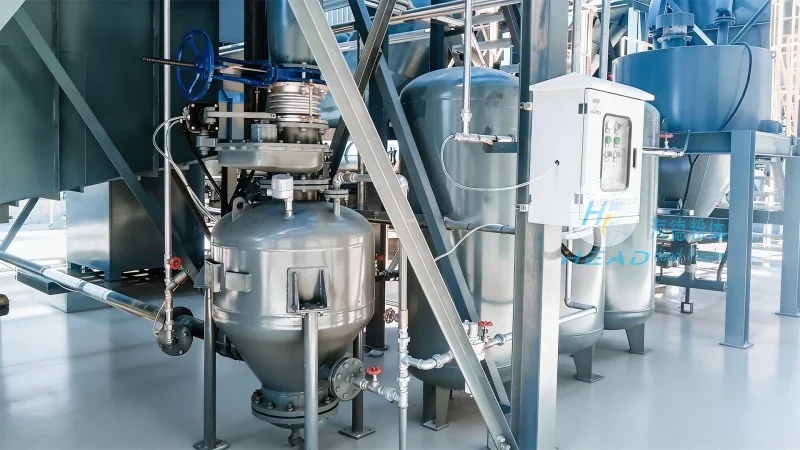
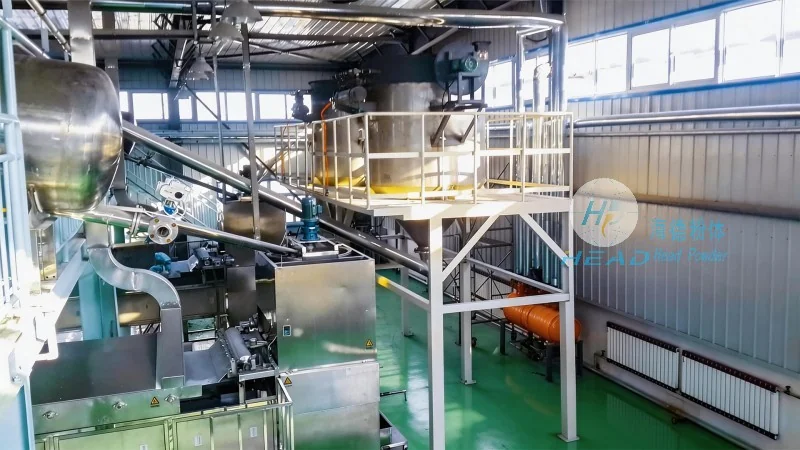
The design of a bottom-discharge powder conveying system typically involves several critical components that work in harmony to achieve effective material transport. These components include a storage silo or hopper, a discharge valve (often a rotary valve or slide gate), a conveying line (such as a pneumatic or mechanical conveyor), and a control system. The storage silo is usually equipped with a hopper that tapers to a narrow outlet, which is connected to the discharge valve. The discharge valve regulates the flow of powder from the silo into the conveying line, ensuring controlled and uniform discharge. The conveying line then transports the powder to the processing equipment, such as mixers, reactors, or packaging machines. The control system monitors and adjusts the flow rate, pressure, and other parameters to maintain optimal operation. Each component is carefully selected and designed to meet the specific requirements of the application, ensuring the system operates efficiently and reliably.
Design Principles for Efficient Powder Conveying
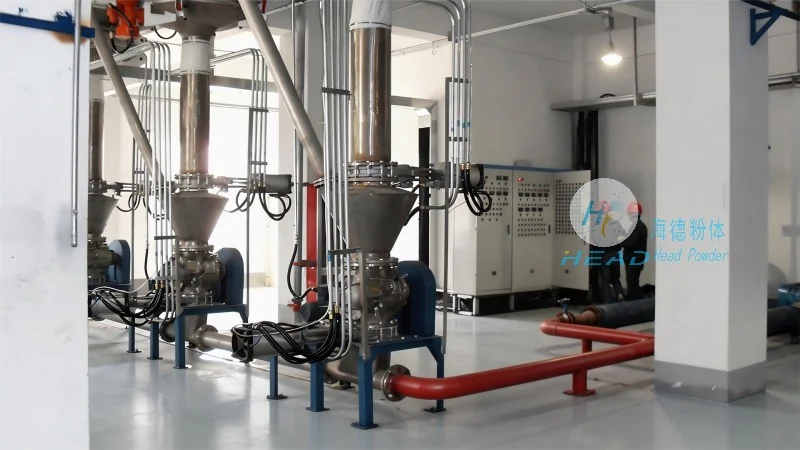
The design principles of bottom-discharge powder conveying systems are centered on several key factors that ensure efficiency, reliability, and safety. First, the system must be designed to minimize powder degradation, which can occur due to friction, impact, or exposure to air. This is achieved through smooth internal surfaces, appropriate hopper angles (typically 60 to 90 degrees), and gentle material handling mechanisms like rotary valves or air slides. Second, the system must maintain consistent flow rates, which is critical for maintaining production line stability. This is achieved through proper valve design, consistent pressure in pneumatic systems, and controlled feeding mechanisms that prevent surges or drops in flow. Third, the system must be designed for easy maintenance and cleaning to prevent contamination and ensure long-term operation. This includes features like easy access to components, cleaning ports, and removable parts that allow for thorough sanitation. Fourth, the system must comply with safety regulations and standards to prevent dust explosions and other hazards. This includes the use of explosion-proof components, dust collection systems, and proper ventilation to keep dust levels within safe limits.
Applications of Bottom-Discharge Powder Conveying Systems
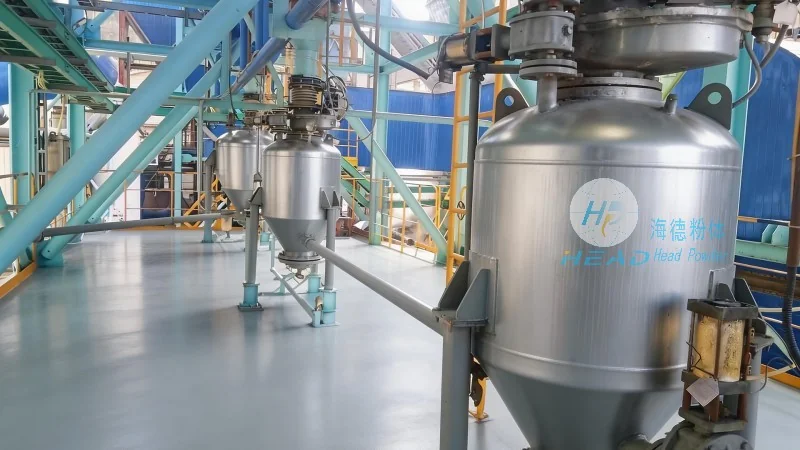
Bottom-discharge powder conveying systems are widely used in various industries due to their versatility and efficiency. In the pharmaceutical industry, these systems are used to transport active pharmaceutical ingredients (APIs) and excipients to production lines, ensuring precise dosing and minimal contamination. The systems are often equipped with sanitary components to meet GMP (Good Manufacturing Practice) standards, maintaining product purity. In the food industry, they are used to transport ingredients like flour, sugar, and spices to processing equipment, maintaining product quality and consistency. The systems are designed to handle food-grade materials and prevent cross-contamination. In the chemical industry, they are used to transport raw materials and intermediates to reactors and processing units, ensuring safe and efficient handling. The systems are often equipped with corrosion-resistant materials to handle acidic or caustic powders. In the manufacturing industry, they are used to transport powders for coating, mixing, and other processes, improving production efficiency and reducing downtime. The systems are designed to handle a wide range of powder types and sizes, from fine powders to coarse granules.