

What is a Carboxymethyl Cellulose Powder Handling System? And What Are Its Design Principles?
Carboxymethyl cellulose (CMC) is a widely used hydrocolloid in various industries, including pharmaceuticals, food, and cosmetics. The efficient handling and transportation of CMC powder are crucial for maintaining product quality and operational efficiency. This article explores the fundamentals of a CMC powder handling system and its underlying design principles, providing insights into how such systems are engineered to meet industry demands.
About Shandong HeadPowder Engineering Co., Ltd.
Shandong HeadPowder Engineering Co., Ltd., commonly known as HeadPowder, is a leading provider of specialized engineering solutions for powder handling and processing. With a strong focus on innovation and customer-centric design, HeadPowder has established itself as a trusted partner in the industry, delivering high-quality systems that enhance productivity and ensure compliance with regulatory standards. The company’s headquarters is located in Shandong, China, where it leverages advanced technology and expertise to develop cutting-edge solutions for diverse powder handling applications.
Design Principles of Carboxymethyl Cellulose Powder Handling Systems
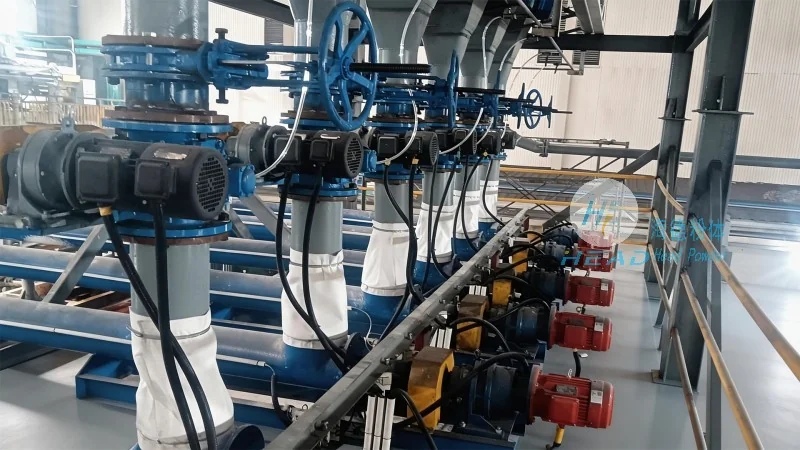
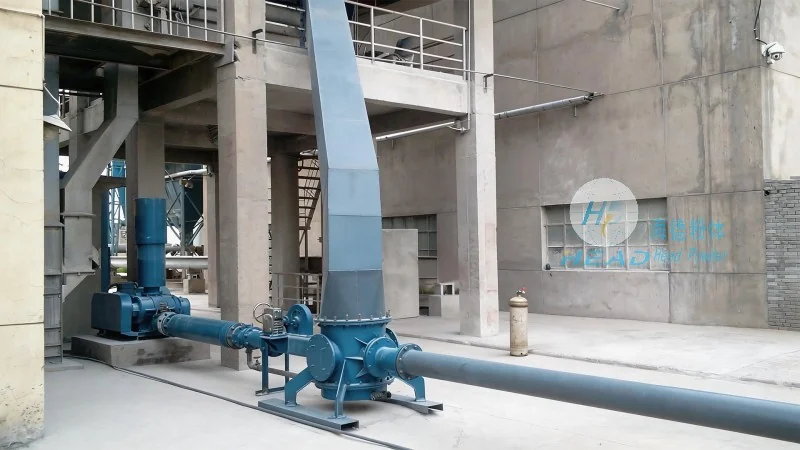
The design of a CMC powder handling system involves several critical considerations to ensure optimal performance, safety, and reliability. Key design principles include material compatibility, dust control, and flow optimization. Material compatibility is paramount, as the system components must withstand the chemical and physical properties of CMC powder, which can be hygroscopic and prone to agglomeration. HeadPowder employs materials such as stainless steel and specialized coatings to prevent corrosion and ensure long-term durability. Dust control is another critical aspect, as CMC powder is fine and can create airborne particles that pose health and safety risks. The system incorporates features like enclosed hoppers, sealed conveyors, and filtration systems to minimize dust generation and maintain a clean working environment. Flow optimization is achieved through the use of appropriate equipment like rotary valves, screw conveyors, and pneumatic conveyors, which ensure consistent and reliable powder flow. The design also considers factors like scalability, ease of maintenance, and integration with existing production lines, allowing for seamless operation and adaptability to changing production needs.
Key Components of the Carboxymethyl Cellulose Powder Handling System
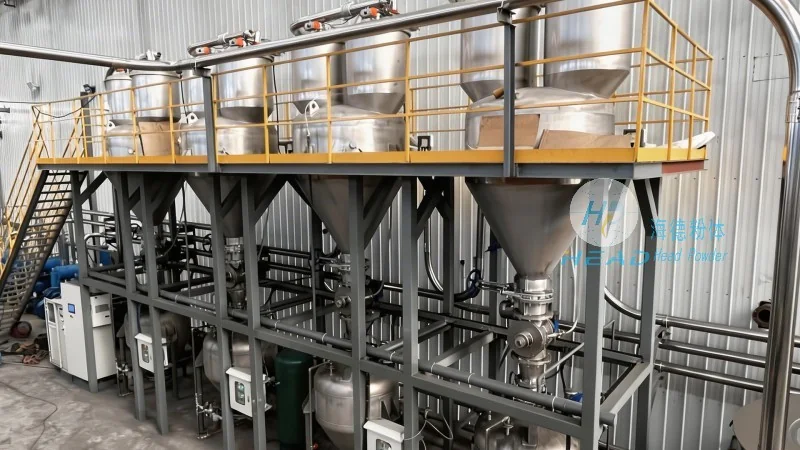
A typical CMC powder handling system consists of several interconnected components that work together to facilitate the movement of powder from storage to processing. The primary components include a storage hopper, a feeder (such as a rotary valve or vibratory feeder), a conveyor system (e.g., screw or pneumatic conveyor), and a discharge unit. The storage hopper is designed to hold a sufficient quantity of CMC powder, with features like a conical bottom to facilitate uniform discharge. The feeder regulates the flow of powder from the hopper to the conveyor, ensuring a consistent feed rate that prevents overloading or underfeeding. The conveyor system transports the powder to the processing equipment, with options like screw conveyors for horizontal or inclined transport and pneumatic conveyors for longer distances or where dust control is a priority. The discharge unit, often integrated with the processing equipment, ensures the powder is delivered accurately and without spillage. Each component is engineered to meet the specific requirements of CMC powder, with considerations for its hygroscopic nature and potential for agglomeration. For example, the hopper may include a heating element to prevent moisture buildup, and the conveyor may be equipped with a cleaning mechanism to remove any accumulated powder.
Advantages of Using a Carboxymethyl Cellulose Powder Handling System
Implementing a dedicated CMC powder handling system offers numerous advantages for manufacturers. Firstly, it enhances operational efficiency by ensuring a consistent and reliable supply of powder to processing equipment, reducing downtime caused by material shortages or flow disruptions. Secondly, it improves product quality by minimizing contamination and maintaining the integrity of the CMC powder. The enclosed design and dust control features prevent cross-contamination and ensure that the powder remains free from foreign particles, which is critical for applications like pharmaceuticals and food. Thirdly, it enhances safety by reducing the risk of dust explosions and inhalation hazards. The sealed system and filtration systems help maintain a safe working environment, complying with occupational health and safety regulations. Additionally, the system promotes sustainability by reducing waste and improving material utilization. By optimizing the flow and minimizing material loss, manufacturers can achieve better cost control and environmental performance. The scalability of the system also allows for future expansion, enabling manufacturers to adapt to increasing production demands without significant modifications.

Real-World Applications and Case Studies
HeadPowder’s CMC powder handling systems have been successfully implemented in various industries, demonstrating their effectiveness in real-world scenarios. For instance, in the pharmaceutical industry, a leading CMC manufacturer in China utilized HeadPowder’s system to improve the handling of their CMC powder, resulting in a 20% reduction in downtime and a 15% increase in product yield. The system’s enclosed design and dust control features helped maintain a clean environment, ensuring compliance with GMP (Good Manufacturing Practice) standards. In the food industry, a beverage company implemented the system to handle CMC used as a thickening agent, achieving better flow control and reducing the risk of clogging in their production lines. The system’s flexibility allowed the company to adjust the feed rate based on production demands, improving overall operational efficiency. These case studies highlight the practical benefits of using a specialized CMC powder handling system, underscoring its role in enhancing productivity, quality, and safety in industrial applications.