

What is Expandable Polystyrene Powder Conveying? What are the Design Principles?
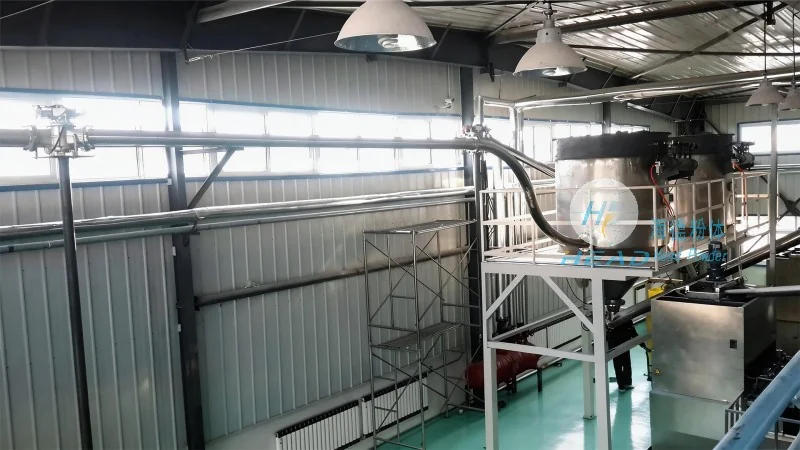
Expandable polystyrene (EPS) powder conveying is a specialized process used in industrial applications to transport EPS powder efficiently and safely. This technology is crucial for industries that rely on EPS materials, such as construction, packaging, and insulation, as it ensures consistent material flow and minimizes the risk of dust or material loss. Understanding the fundamentals of EPS powder conveying and its design principles is essential for optimizing production processes and maintaining operational efficiency.
Introduction to Expandable Polystyrene Powder Conveying
Expandable polystyrene powder conveying involves the movement of EPS powder from a storage or processing location to a processing or packaging station. The process typically relies on pneumatic or mechanical systems that can handle the unique properties of EPS powder, including its light weight, low density, and tendency to create dust when handled improperly. The design of an EPS powder conveying system must account for these characteristics to ensure reliable operation and maintain material integrity.
Shandong HeadPowder Engineering Co., Ltd. - Your Trusted Partner in EPS Conveying Solutions
Shandong HeadPowder Engineering Co., Ltd., a leading manufacturer based in Shandong, China, specializes in developing and supplying advanced EPS powder conveying systems. With years of experience in the field, HeadPowder has established itself as a reliable partner for businesses seeking efficient and reliable solutions for handling EPS powder. The company's headquarters and main operations are located in Shandong, China, providing a strong foundation for research, development, and customer support.
Key Design Principles for EPS Powder Conveying Systems
The design of an EPS powder conveying system is governed by several critical principles that ensure optimal performance and safety. These principles include:
1. **Material Compatibility**: The system must be constructed from materials that are compatible with EPS powder to prevent contamination or degradation of the material. Materials such as stainless steel, polypropylene, or specialized coatings are commonly used to ensure durability and resistance to chemical or physical damage.
2. **Adequate Airflow and Pressure Control**: EPS powder is light and can easily become airborne, making proper airflow management essential. The system must maintain consistent air pressure to ensure smooth material flow and prevent blockages or clogs. Pressure control systems, such as regulators and valves, are integral to maintaining optimal conditions.
3. **Dust Suppression and Filtration**: To minimize dust generation and ensure a clean working environment, EPS powder conveying systems incorporate dust suppression and filtration mechanisms. These may include cyclone separators, bag filters, or other air purification systems that capture and remove powder particles from the air stream.
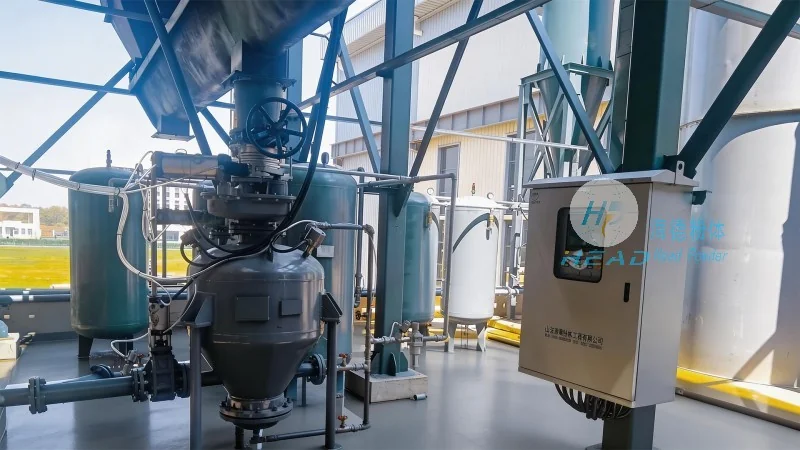
4. **System Integration and Automation**: Modern EPS powder conveying systems often integrate with other production equipment, such as mixers, extruders, or packaging machines. Automation features, including sensors and control panels, allow for real-time monitoring and adjustment of the conveying process, enhancing efficiency and reducing human error.
Components of an EPS Powder Conveying System
An EPS powder conveying system typically consists of several key components that work together to achieve efficient material transport. These components include:
1. **Storage Hopper**: A hopper is used to store the EPS powder before it is conveyed. The hopper is designed to hold a sufficient quantity of material and may include a discharge valve to control the flow of powder into the conveying line.
2. **Conveying Line**: The conveying line is the main pathway for the EPS powder. It can be made of flexible or rigid tubing, depending on the application. The line is often equipped with bends and elbows to navigate the path from the storage hopper to the processing or packaging station.
3. **Air Supply System**: A compressed air system provides the necessary pressure to move the EPS powder through the conveying line. The system includes an air compressor, pressure regulator, and air filters to ensure clean and consistent air flow.
4. **Dust Collection System**: To maintain a clean environment and prevent dust accumulation, a dust collection system is often integrated into the conveying line. This system captures any powder particles that escape the conveying line and filters the air before releasing it back into the environment.
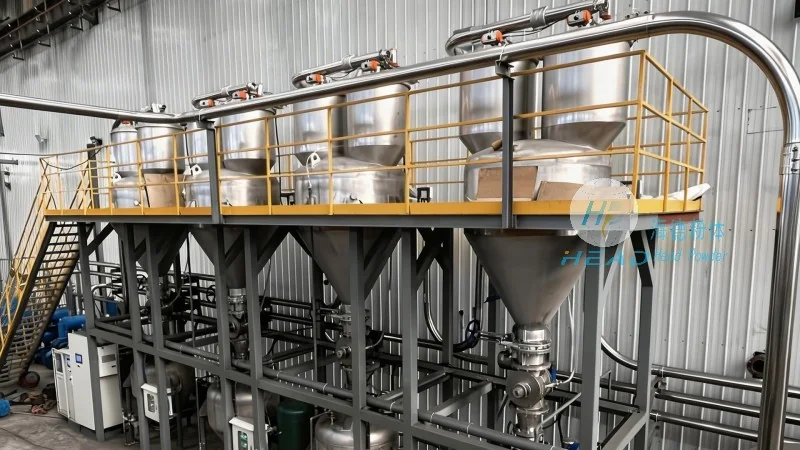
5. **Control Panel**: A control panel allows operators to monitor and adjust the conveying process. It may include indicators for pressure, flow rate, and system status, as well as controls for starting and stopping the system.
Advantages of EPS Powder Conveying Systems
EPS powder conveying systems offer several advantages over traditional manual or mechanical handling methods. These advantages include:
1. **Increased Efficiency**: Automated conveying systems can handle large volumes of EPS powder quickly and consistently, reducing production time and increasing output.
2. **Improved Safety**: By minimizing manual handling of EPS powder, the risk of dust exposure and material spillage is reduced, creating a safer working environment.
3. **Reduced Material Loss**: Properly designed conveying systems minimize the loss of EPS powder during transport, ensuring that more material reaches the processing or packaging stage.
4. **Enhanced Product Quality**: Consistent material flow and reduced dust contamination help maintain the quality and consistency of the final EPS products.
Applications of EPS Powder Conveying Systems
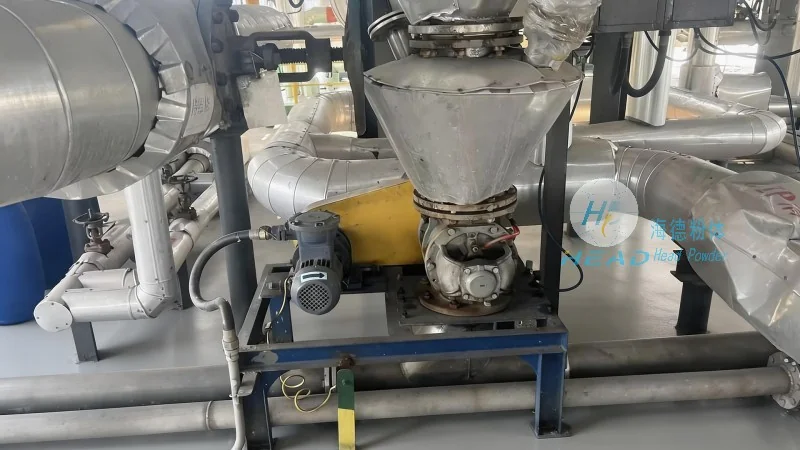
EPS powder conveying systems are widely used in various industrial applications, including:
1. **Construction and Insulation**: EPS powder is used in the production of insulation boards and other construction materials. Conveying systems ensure that the powder is delivered to the mixing and molding equipment efficiently.
2. **Packaging**: EPS powder is used in the manufacturing of packaging materials, such as foam packaging and protective inserts. Conveying systems help maintain the quality of the powder during the production process.
3. **Food and Beverage Industry**: In some applications, EPS powder is used as a packaging material for food products. Conveying systems ensure that the powder is handled hygienically and without contamination.
4. **Chemical and Pharmaceutical Industries**: EPS powder may be used in the production of certain chemical or pharmaceutical products. Conveying systems help maintain the purity and consistency of the material.
Conclusion
Expandable polystyrene powder conveying is a critical technology for industries that rely on EPS materials. The design principles and components of an effective conveying system are essential for ensuring efficient, safe, and reliable operation. Shandong HeadPowder Engineering Co., Ltd. offers advanced EPS powder conveying solutions that meet the needs of modern industrial applications, helping businesses optimize their production processes and maintain high standards of quality and safety.