

What is a Synthetic Rubber Material Handling System? What Are Its Design Principles?
HeadPowder, a leading engineering solutions provider based in Shandong, China, specializes in the design and implementation of advanced material handling systems tailored for synthetic rubber applications. With a strong focus on precision, efficiency, and durability, the company's expertise lies in creating customized solutions that meet the unique demands of the rubber processing industry.
What is a Synthetic Rubber Material Handling System?
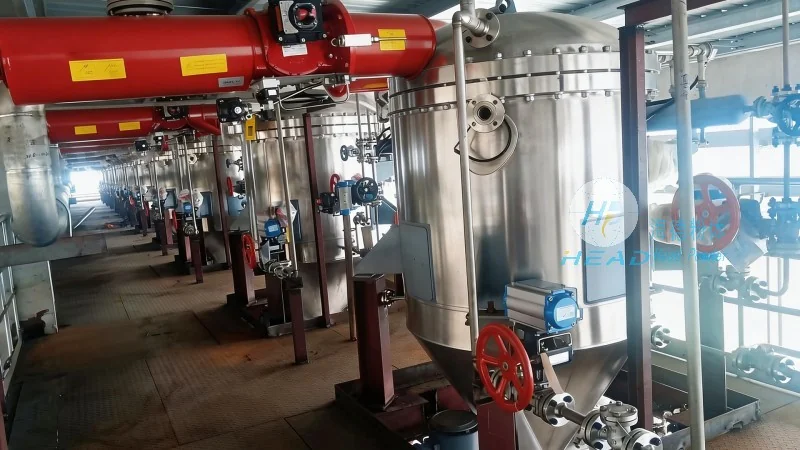
A synthetic rubber material handling system is a specialized industrial setup designed to transport, store, and manage synthetic rubber materials throughout the production process. These systems are engineered to handle the unique properties of synthetic rubber, such as its flexibility, elasticity, and resistance to various chemicals and environmental factors. The primary goal of such systems is to ensure smooth material flow, minimize downtime, and enhance overall operational efficiency in rubber manufacturing facilities.
Design Principles of Synthetic Rubber Material Handling Systems
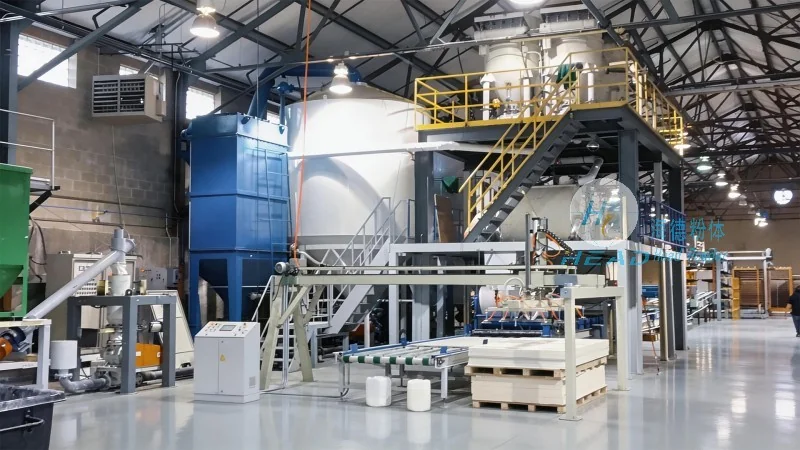
The design of a synthetic rubber material handling system is guided by several key principles aimed at optimizing performance and reliability. First, the system must accommodate the physical characteristics of synthetic rubber, including its density, viscosity, and tendency to stick or agglomerate. Engineers must consider factors like temperature control, as synthetic rubber can be sensitive to heat and cold, which may affect its processing properties. Second, the system emphasizes safety and compliance with industrial standards, ensuring that all components are designed to prevent material leakage, contamination, and potential hazards. Third, the design prioritizes energy efficiency and operational cost reduction, incorporating features like automated controls and optimized material flow paths. Additionally, the system is built for scalability, allowing for future expansion or integration with other production equipment as the business grows.
Key Components of Synthetic Rubber Material Handling Systems
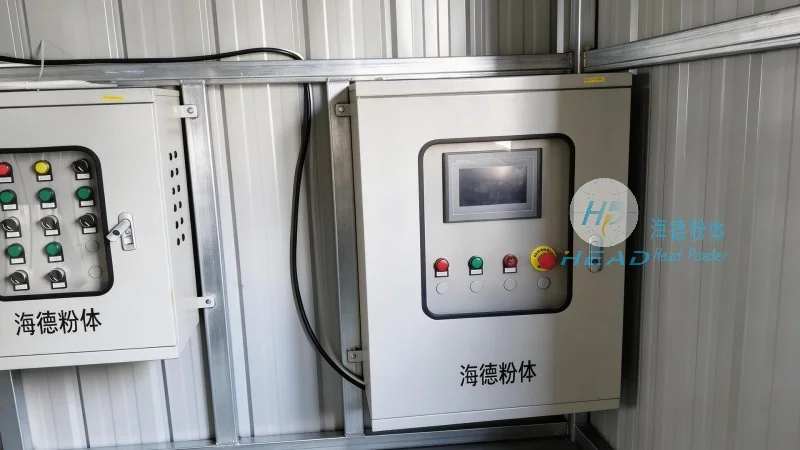
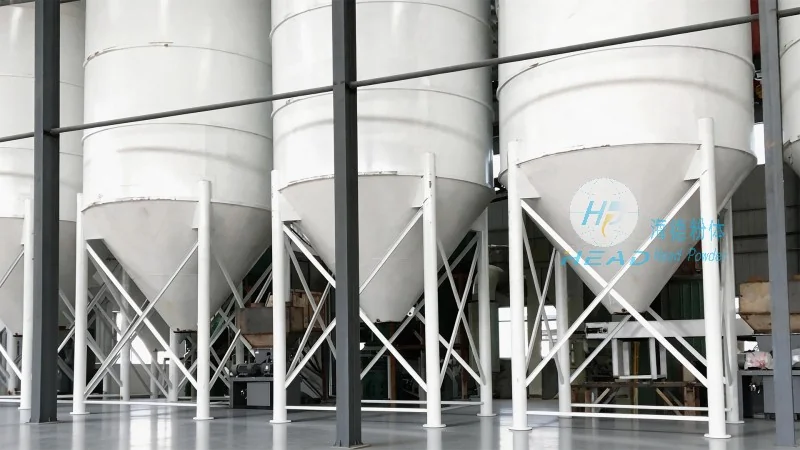
Effective synthetic rubber material handling systems typically consist of several interconnected components that work in harmony to achieve seamless material transport. These components include feeders or hoppers that introduce the synthetic rubber into the system, conveyors or belt systems that move the material through the process, and storage silos or bins for temporary or long-term storage. The system may also incorporate screening or sorting mechanisms to remove impurities or separate different types of rubber materials. Additionally, there are often control panels or automation systems that monitor and regulate the flow of materials, ensuring consistent performance and minimizing human intervention. Each component is carefully selected and integrated to meet the specific requirements of the synthetic rubber being handled, ensuring optimal functionality and reliability.
Applications of Synthetic Rubber Material Handling Systems
Synthetic rubber material handling systems are widely used in various industries where synthetic rubber is a critical raw material. These include the tire manufacturing industry, where large quantities of synthetic rubber are processed to produce tires and other rubber products. Other applications include the production of rubber seals, gaskets, and industrial belts, as well as in the manufacturing of rubber flooring and insulation materials. The systems are also utilized in research and development laboratories, where precise handling of synthetic rubber samples is essential for testing and quality control. In each of these applications, the material handling system plays a vital role in maintaining consistent material quality, reducing waste, and improving overall production throughput.
Conclusion
HeadPowder Engineering Co., Ltd., based in Shandong, China, offers comprehensive solutions for synthetic rubber material handling systems, combining advanced engineering with industry expertise to meet the diverse needs of rubber manufacturers. By adhering to rigorous design principles and utilizing high-quality components, these systems ensure efficient, safe, and reliable material transport, contributing to enhanced productivity and cost-effectiveness in synthetic rubber processing. The company's commitment to innovation and customer satisfaction makes it a trusted partner for businesses seeking to optimize their material handling operations in the rubber industry.