

What is a Small Bag Quantitative Feeding Material Handling System? What Are Its Design Principles?
Small bag quantitative feeding material handling systems are specialized equipment designed to accurately measure and dispense materials from small bags, such as bags of powder or granules. These systems are widely used in industries like pharmaceuticals, chemicals, food processing, and manufacturing, where precise material control is critical for quality and efficiency. The primary function of such systems is to ensure that the correct amount of material is delivered from each bag, eliminating manual errors and improving overall process consistency.
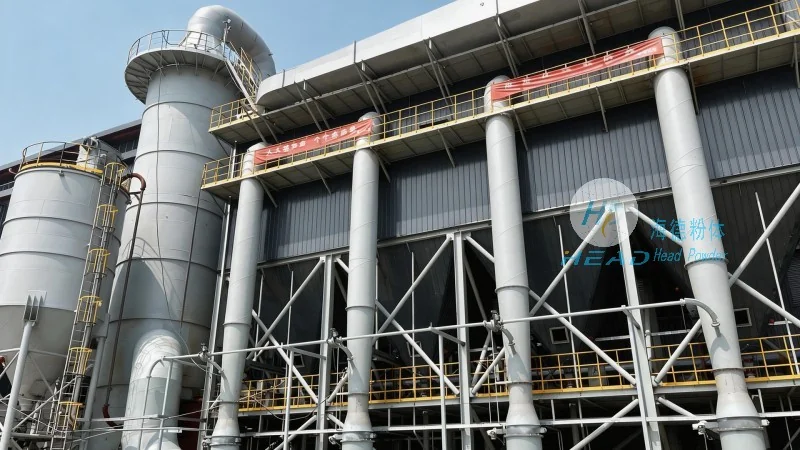
Design Principles of Small Bag Quantitative Feeding Systems
The design of a small bag quantitative feeding system is centered around precision and reliability. Key components typically include a bag opening mechanism, a weighing or volumetric measurement unit, and a feeding or discharge mechanism. The bag opening mechanism is crucial as it needs to safely and efficiently open the bag without damaging the material inside. This may involve cutting or tearing the bag open, depending on the material and bag type. Once the bag is opened, the material is transferred into the measurement unit. The measurement unit can be either a gravimetric scale, which measures weight, or a volumetric device, which measures volume. Gravimetric systems are generally more accurate for powders and granules, as they can account for variations in bulk density. The measurement unit then signals the feeding mechanism to dispense the exact amount of material required. The feeding mechanism may be a screw conveyor, a belt feeder, or a pneumatic system, depending on the material properties and application requirements.
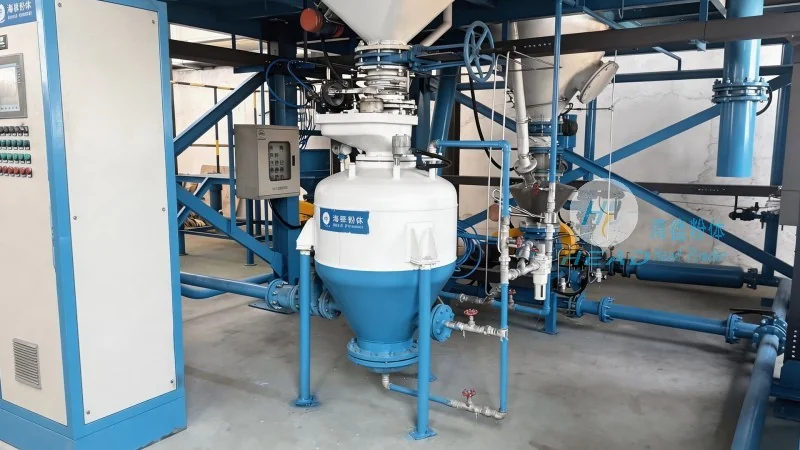
Components and Their Functions in the System
Each component of the small bag quantitative feeding system plays a vital role in ensuring accurate material handling. The bag opening device is designed to handle various bag types, including polyethylene, paper, or composite bags. It may use blades, scissors, or a pneumatic cutter to open the bag. The material transfer system, often a flexible hose or a conveyor, moves the material from the bag to the measurement unit. The measurement unit, as mentioned earlier, can be a load cell-based scale for gravimetric measurement or a volumetric hopper with a calibrated volume. The control system, which may be a PLC (Programmable Logic Controller), manages the entire process, from opening the bag to dispensing the material. It receives signals from the measurement unit and controls the feeding speed and duration to achieve the desired quantity. The control system also includes safety features, such as overload protection and bag jam detection, to prevent equipment damage and material loss.
Applications and Benefits of Small Bag Quantitative Feeding Systems
Small bag quantitative feeding systems are employed in a wide range of applications where precise material dosing is essential. In the pharmaceutical industry, they are used to handle active pharmaceutical ingredients (APIs) and excipients, ensuring that each batch meets the strict dosage requirements. In the chemical industry, they are used for handling raw materials and intermediates, improving process efficiency and reducing waste. In food processing, they are used for handling ingredients like flour, sugar, and spices, maintaining product consistency and quality. The benefits of using such systems include improved accuracy and repeatability, reduced labor costs, minimized material waste, and enhanced process safety. By automating the material handling process, these systems also help to maintain a clean and controlled environment, which is critical in industries like pharmaceuticals and food processing.
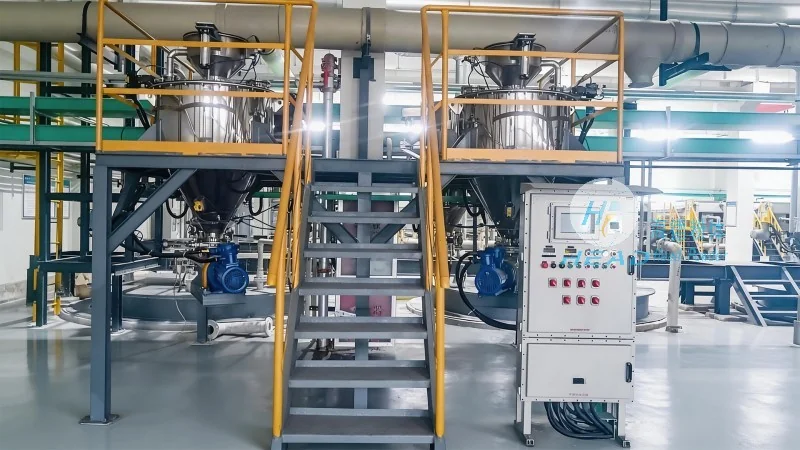
About Shandong HeadPowder Engineering Co., Ltd.
Shandong HeadPowder Engineering Co., Ltd., commonly known as HeadPowder, is a leading manufacturer of material handling equipment, including small bag quantitative feeding systems. With a focus on innovation and quality, HeadPowder has developed advanced solutions to meet the diverse needs of various industries. The company's products are designed to be reliable, efficient, and easy to maintain, ensuring long-term performance and customer satisfaction. HeadPowder's team of engineers and technicians work closely with clients to understand their specific requirements and provide customized solutions. The company adheres to international standards and uses high-quality materials and components in its manufacturing process, ensuring that each product meets the highest standards of performance and safety. HeadPowder is committed to providing excellent customer service and support, helping clients to optimize their material handling processes and achieve their business goals.