

What is Desulfurizer Pneumatic Conveying Equipment? And What Are Its Design Principles?
Desulfurizer pneumatic conveying equipment is a specialized system used in industrial processes to transport desulfurizer materials efficiently and safely. This equipment plays a crucial role in power plants and other facilities that employ flue gas desulfurization (FGD) systems, where the handling of desulfurizer reagents is essential for maintaining operational efficiency and environmental compliance.
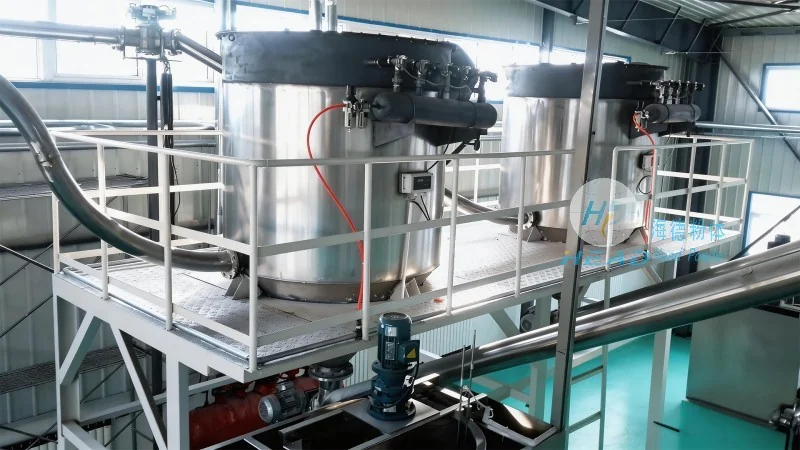
HeadPowder, a leading manufacturer in the field, provides advanced solutions for pneumatic conveying of desulfurizer materials. With a focus on innovation and reliability, the company’s equipment is designed to meet the demanding requirements of modern industrial applications. The following sections will explore the key aspects of this equipment, including its design principles and operational benefits.
HeadPowder Engineering Co., Ltd., headquartered in Shandong, China, is a prominent provider of engineering solutions for material handling and processing. The company specializes in developing and manufacturing high-quality pneumatic conveying systems tailored to the needs of various industries, including power generation, chemical processing, and environmental protection. By integrating cutting-edge technology with practical engineering expertise, HeadPowder ensures that its products deliver optimal performance and durability.
Function and Application
One of the primary functions of desulfurizer pneumatic conveying equipment is to transport desulfurizer reagents, such as limestone or lime, from storage silos to the reaction points in FGD systems. The equipment operates by creating a flow of air or gas that propels the solid material through a pipeline network. This method offers several advantages over traditional mechanical conveying systems, including reduced maintenance costs, improved material handling flexibility, and enhanced safety features.
Design Principles
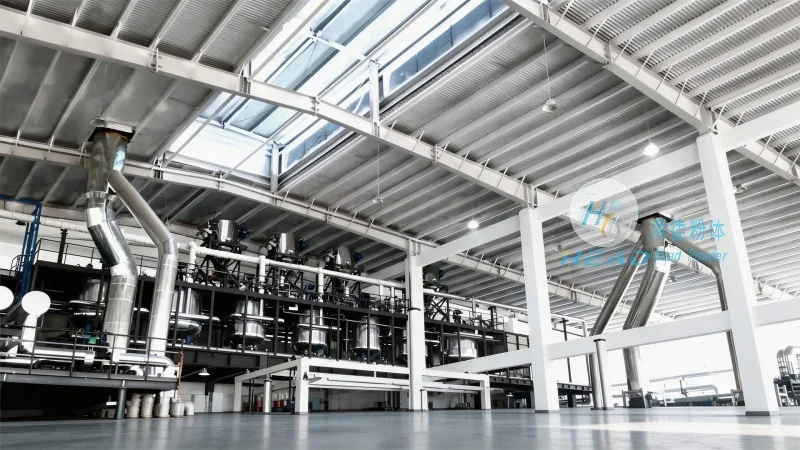
The design of desulfurizer pneumatic conveying equipment is based on fundamental principles of fluid dynamics and material transport. The system typically consists of a blower or compressor, a material feed hopper, a conveying pipeline, and a discharge unit. The blower generates the necessary air pressure to move the desulfurizer particles through the pipeline. The feed hopper ensures a consistent supply of material, while the pipeline network connects the feed point to the discharge location. The discharge unit, often equipped with a rotary valve or other control mechanisms, regulates the release of the material into the FGD system.
Key design considerations for desulfurizer pneumatic conveying equipment include the material properties of the desulfurizer, such as particle size, density, and moisture content. These factors influence the selection of the blower type, air velocity, and pipeline diameter to ensure efficient and reliable transport. Additionally, the system must be designed to handle variations in material flow rates and pressure, which may occur due to changes in operational conditions or material characteristics.
Engineering Optimization
HeadPowder’s engineers employ advanced computational fluid dynamics (CFD) and other simulation tools to optimize the design of their pneumatic conveying systems. This approach allows for precise modeling of the material flow and air dynamics within the pipeline, enabling the selection of the most suitable equipment parameters. By analyzing factors such as air velocity, pressure drop, and particle trajectory, the engineers can minimize energy consumption and maximize the conveying efficiency of the system.
Control and Monitoring Systems
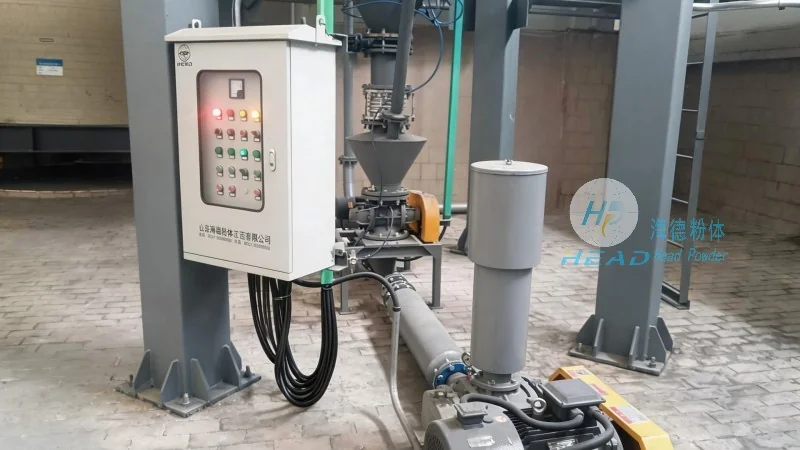
Another critical aspect of desulfurizer pneumatic conveying equipment is the control and monitoring systems. Modern systems are equipped with sensors and control panels that provide real-time data on pressure, flow rate, and material level. This information allows operators to monitor the system’s performance and make adjustments as needed to maintain optimal operation. The control systems also include safety features, such as pressure relief valves and emergency shut-off mechanisms, to prevent accidents and ensure the safety of personnel and equipment.
Benefits and Advantages
The benefits of using desulfurizer pneumatic conveying equipment extend beyond efficient material transport. The system reduces the need for manual handling of heavy and potentially hazardous desulfurizer materials, thereby improving workplace safety. Additionally, the equipment minimizes material loss and contamination, which is crucial for maintaining the quality of the desulfurizer reagents and ensuring the effectiveness of the FGD process. By improving the overall efficiency of the desulfurization process, the equipment contributes to lower operational costs and enhanced environmental performance.
In conclusion, desulfurizer pneumatic conveying equipment is a vital component of modern industrial operations, particularly in power plants and other facilities that rely on flue gas desulfurization. The design principles and operational features of this equipment are carefully engineered to ensure reliable and efficient transport of desulfurizer materials. HeadPowder Engineering Co., Ltd., with its expertise and commitment to quality, provides advanced solutions that meet the evolving needs of the industry. By leveraging cutting-edge technology and practical engineering, the company continues to deliver high-performance pneumatic conveying systems that enhance operational efficiency and environmental compliance.