

Principle of the Manganese Carbonate Pneumatic Conveying System
Manganese carbonate, a critical industrial mineral, is widely used in various applications such as battery production, steelmaking, and chemical manufacturing. The efficient and reliable transport of this material from storage to processing units is essential for maintaining production efficiency and minimizing operational costs. Pneumatic conveying systems have emerged as a preferred solution for handling manganese carbonate due to their ability to transport bulk materials in a dust-free and controlled manner. This article delves into the fundamental principles behind the operation of a manganese carbonate pneumatic conveying system, highlighting key components, working mechanisms, and the benefits of adopting such technology in industrial settings.
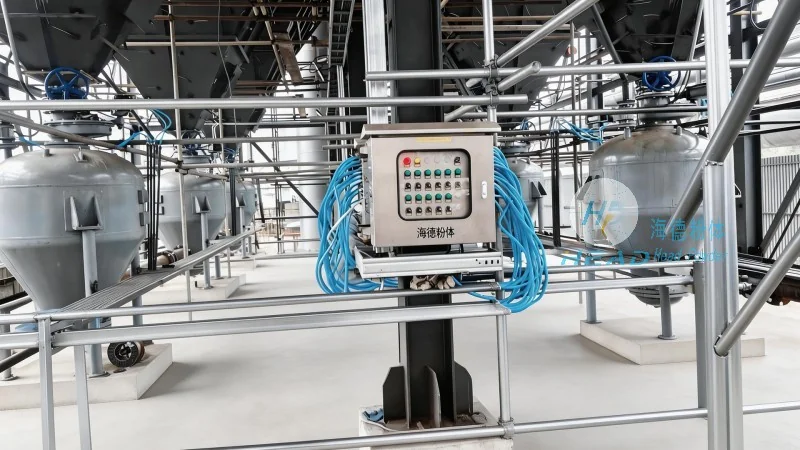
Key Components of a Pneumatic Conveying System for Manganese Carbonate
A pneumatic conveying system for manganese carbonate typically consists of several interrelated components that work in tandem to ensure smooth material transport. The primary components include a material hopper or silo for storage, a feeder mechanism to control the flow rate, a conveying line (usually made of metal or flexible tubing), a blower or air compressor to generate the necessary airflow, and a receiver or discharge hopper at the destination. Each component plays a crucial role in the overall system performance. The material hopper ensures a consistent supply of manganese carbonate, while the feeder regulates the feed rate to match the system's capacity. The conveying line transports the material through the system, and the blower provides the pressure or vacuum required to move the material. The receiver collects the material at the end of the conveying line, completing the transport process.
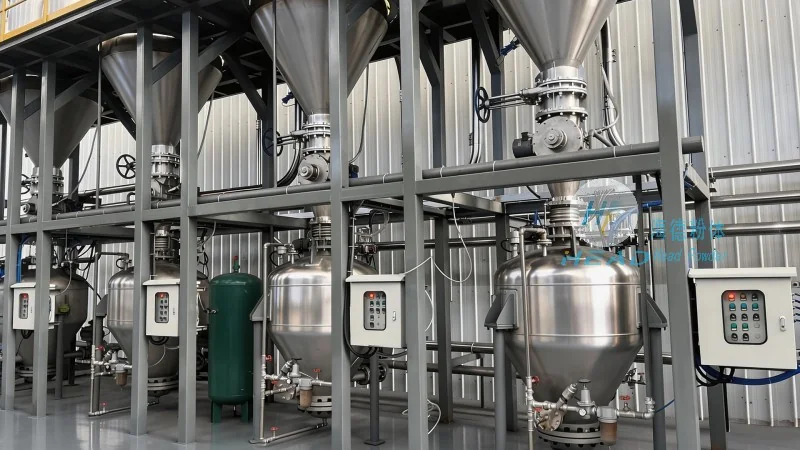
Working Principle of Manganese Carbonate Pneumatic Conveying
The core principle of pneumatic conveying involves using air to transport solid particles. In the case of manganese carbonate, the system operates by creating a flow of air through the conveying line. The feeder introduces the material into the air stream, and the air's momentum carries the particles along the line. There are two main types of pneumatic conveying systems: pressure and vacuum. Pressure systems use a blower to push air and material through the line, while vacuum systems use a vacuum pump to draw material into the line. For manganese carbonate, which is often handled in bulk quantities, pressure systems are commonly preferred due to their higher capacity and ability to handle longer distances. The system's design, including the size of the conveying line, the speed of the air, and the feed rate, is critical to achieving optimal performance and preventing material degradation or blockages.
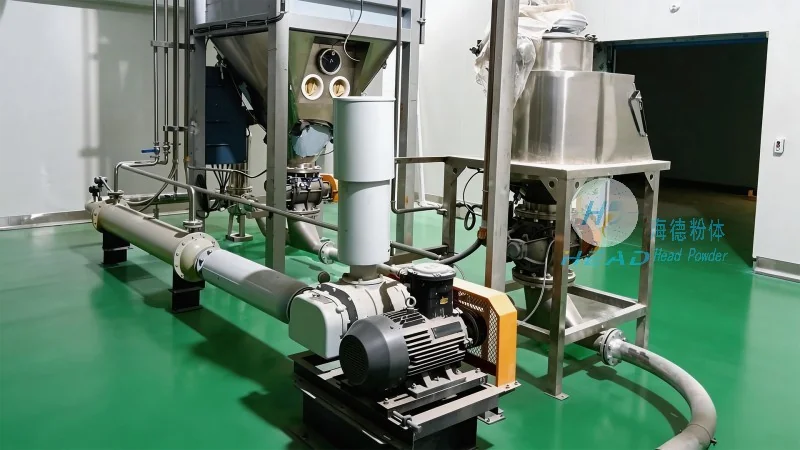
Advantages of Using Pneumatic Conveying for Manganese Carbonate
Implementing a pneumatic conveying system for manganese carbonate offers several advantages over traditional methods like belt conveyors or bucket elevators. One of the most significant benefits is the elimination of dust and contamination, which is crucial for maintaining product quality and ensuring a safe working environment. Pneumatic systems also provide better control over material flow, reducing the risk of overloading or underloading the processing equipment. Additionally, these systems are more compact and flexible, allowing for easier integration into existing production lines or for reconfiguration as production needs change. The ability to transport manganese carbonate in a closed system also minimizes environmental impact by preventing dust emissions and reducing the need for additional dust control measures.
Application Considerations for Manganese Carbonate Pneumatic Conveying
When designing a pneumatic conveying system for manganese carbonate, several factors must be considered to ensure optimal performance and longevity. The first consideration is the material's properties, such as its particle size, density, and moisture content. These characteristics affect the system's design, including the feeder type and the conveying line diameter. For example, finer particles may require a different feeder design to prevent clogging, while higher moisture content might necessitate additional drying steps. The distance and layout of the conveying line are also critical, as they impact the required air pressure and blower capacity. Additionally, the system's capacity must be matched to the production rate to avoid bottlenecks. Proper maintenance of the system, including regular cleaning of the conveying line and blower, is essential to prevent material buildup and ensure consistent performance.
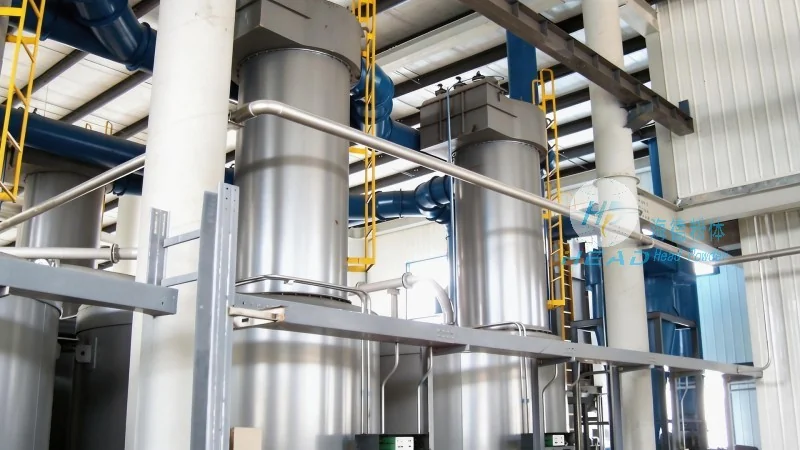
Conclusion and Company Overview
Understanding the principle of a manganese carbonate pneumatic conveying system is vital for industries relying on efficient material transport. By leveraging the power of air to move bulk materials, these systems offer a reliable, dust-free, and cost-effective solution for handling manganese carbonate. As a leading provider in the field, Shandong HeadPowder Engineering Co., Ltd. specializes in designing and manufacturing customized pneumatic conveying systems tailored to the specific needs of manganese carbonate processing facilities. With a focus on quality, efficiency, and customer satisfaction, HeadPowder ensures that its systems meet the highest industrial standards, helping clients optimize their production processes and enhance overall operational performance. Based in Shandong, China, HeadPowder leverages its expertise and local resources to deliver innovative solutions that drive industrial progress.