

Technical Parameters and Process of Gravity Dust Removal Systems and Conveying Systems
Shandong HeadPowder Engineering Co., Ltd., commonly known as headpowder, specializes in the design, manufacturing, and implementation of advanced gravity dust removal systems and associated conveying technologies. With a focus on industrial applications, the company provides comprehensive solutions tailored to meet the specific needs of clients in various sectors, including power generation, cement production, and other industries where efficient dust management is critical. The company is headquartered in Shandong, China, and has built a reputation for delivering reliable and efficient dust control systems.
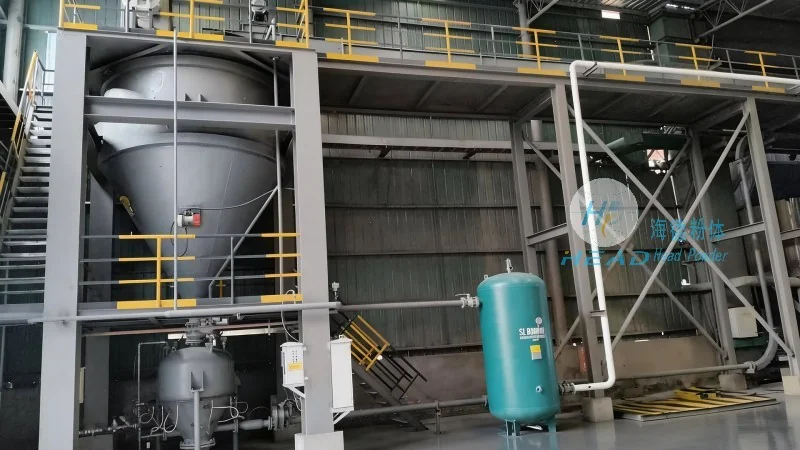
Overview of Gravity Dust Removal Technology
Gravity dust removal, also known as gravity settling or inertial separation, is a fundamental method for capturing and removing particulate matter from industrial exhaust streams. This technology leverages the principle of gravity to separate dust particles from gas streams based on their size, density, and velocity. The process involves the use of large, low-velocity chambers where dust particles, being heavier, settle to the bottom of the chamber due to gravity, while the clean gas is discharged from the top. This method is particularly effective for capturing larger dust particles and is often used as a primary or secondary filtration step in industrial air purification systems.
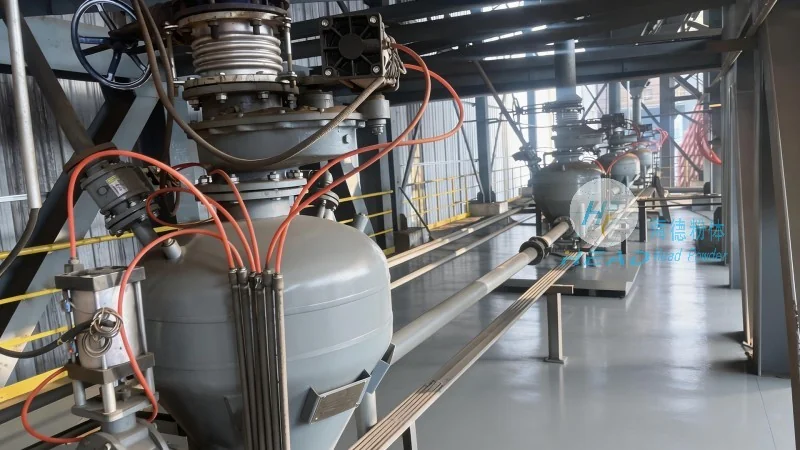
Key Technical Parameters of Gravity Dust Removal Systems
The performance of a gravity dust removal system is determined by several critical technical parameters that ensure optimal operation and efficiency. These parameters include: airflow rate, which dictates the volume of gas processed per unit time; dust loading, the concentration of particulate matter in the inlet gas; dust particle size, as larger particles settle more easily; settlement height, the vertical distance available for dust particles to settle; and system pressure drop, the resistance to airflow caused by the dust removal equipment. Additionally, the design of the settling chamber, such as its cross-sectional area and length, plays a crucial role in determining the residence time of dust particles, which directly impacts the overall removal efficiency. For instance, a larger chamber with sufficient height allows for better separation of larger particles, while the use of baffles or inclined surfaces can enhance the collection of finer dust particles. headpowder's engineers carefully calculate these parameters to ensure that the system meets the client's specific requirements for dust removal efficiency and operational performance.
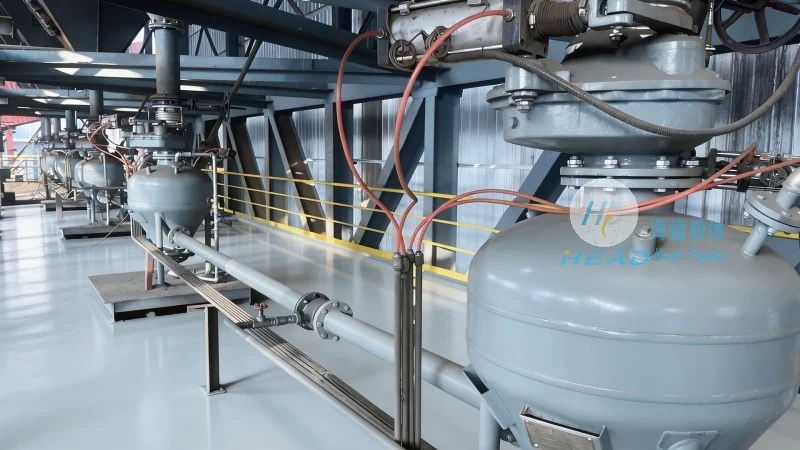
Conveying System Integration and Process
The gravity dust removal system is often integrated with a conveying system to transport the collected dust from the settling chamber to storage or disposal facilities. The conveying system may employ various methods, including mechanical conveyors like screw conveyors or belt conveyors, or pneumatic systems such as positive or negative pressure air transport. The choice of conveying method depends on factors like the dust characteristics (e.g., moisture content, particle size, and abrasiveness), the distance to be covered, and the required throughput. For example, screw conveyors are commonly used for dry, free-flowing dust due to their simplicity and reliability, while pneumatic conveying systems are preferred for handling dusty or wet materials over longer distances. The integration of the dust removal and conveying systems ensures a seamless flow of material, minimizing downtime and enhancing overall operational efficiency. headpowder's conveying solutions are designed to complement the dust removal process, ensuring that the collected dust is transported safely and efficiently without re-entrainment or loss.
System Design and Installation Considerations
Proper system design and installation are essential for the effective operation of gravity dust removal and conveying systems. The design process involves a thorough analysis of the client's specific requirements, including the type of dust, gas flow rates, and space constraints. Engineers at headpowder conduct detailed calculations to determine the optimal dimensions of the settling chamber, the size of the conveying equipment, and the necessary support structures. During installation, attention is paid to ensuring proper alignment of components, secure connections, and compliance with safety standards. Regular maintenance is also critical to maintain system performance, including cleaning of the settling chamber, inspection of conveyor components, and monitoring of pressure drop and airflow rates. By adhering to these design and installation best practices, headpowder ensures that its systems deliver consistent and reliable performance, meeting or exceeding industry standards. The company also provides comprehensive training and support to clients to ensure proper operation and maintenance of the systems.
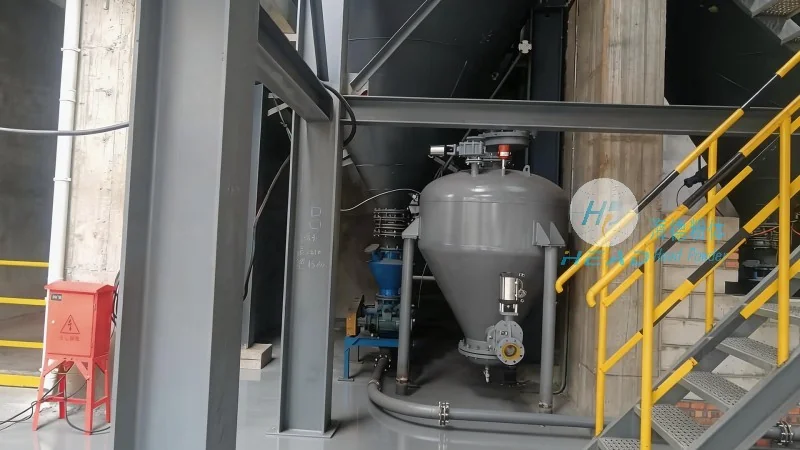
Applications and Performance Metrics
Gravity dust removal systems and conveying technologies are widely used in various industrial applications where dust control is essential. In power plants, for example, these systems help reduce emissions of particulate matter from boiler exhaust, contributing to environmental compliance and improved air quality. In cement production, the removal of dust from raw material handling and clinker processing is crucial for maintaining product quality and preventing equipment wear. The performance of these systems is typically evaluated using metrics such as dust removal efficiency, which measures the percentage of dust particles captured, and pressure drop, which indicates the energy required to operate the system. headpowder's systems are designed to achieve high removal efficiencies (often exceeding 90% for larger particles) while maintaining low pressure drops, ensuring energy efficiency and cost-effectiveness for clients. Additionally, the conveying systems are designed to minimize material loss and re-entrainment, which is critical for maintaining product integrity and reducing operational costs.