

Wine Lees Pneumatic Conveying Solutions
Wine lees, the solid residue from winemaking processes, present unique challenges in material handling and transportation. Traditional methods often involve labor-intensive manual handling or mechanical conveyors that may not be suitable for the delicate nature of these byproducts. The wine lees pneumatic conveying system offers a modern, efficient solution to address these challenges, ensuring safe, hygienic, and cost-effective transport of wine lees from production sites to storage or processing facilities.
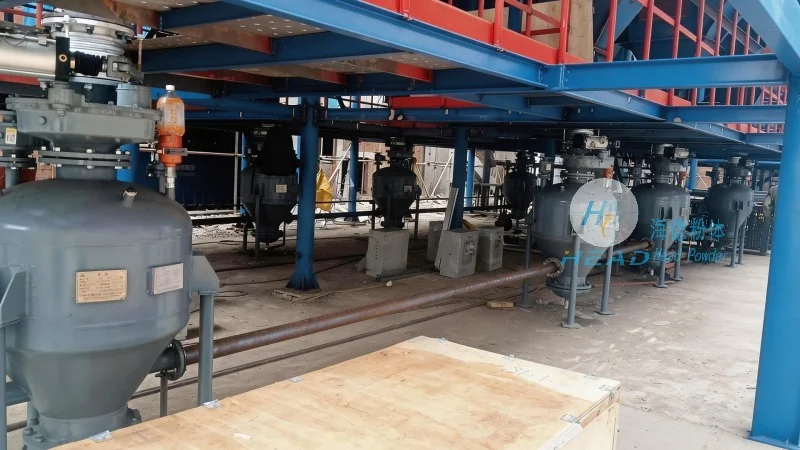
HeadPowder Engineering: Your Trusted Partner in Pneumatic Conveying Technology
HeadPowder, or Shandong HeadPowder Engineering Co., Ltd., is a leading provider of specialized engineering solutions for the food and beverage industry. With a focus on innovation and customer-centric design, the company has established itself as a reliable partner for businesses seeking advanced material handling systems. HeadPowder’s expertise lies in developing customized pneumatic conveying solutions tailored to the specific needs of wineries and other food processing facilities.
Key Features of the Wine Lees Pneumatic Conveying System
The wine lees pneumatic conveying system from HeadPowder is engineered with several key features that enhance performance and reliability. First, the system utilizes positive pressure or negative pressure air flow to transport wine lees through a network of pipes, eliminating the need for mechanical components that could damage the delicate particles. This design ensures minimal product degradation while maintaining hygiene standards essential for food industry applications. Additionally, the system incorporates advanced control mechanisms that allow for precise flow regulation, preventing clogging and optimizing energy consumption. The materials used in the construction of the conveying components are food-grade and corrosion-resistant, ensuring long-term durability and compliance with industry regulations.
Customization and Integration Capabilities
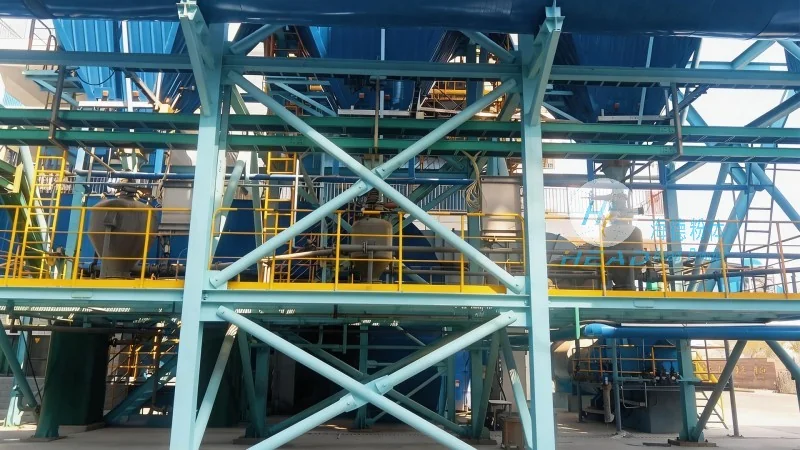
Recognizing that each winery has unique operational requirements, HeadPowder offers comprehensive customization options for the wine lees pneumatic conveying system. The company works closely with clients to assess their specific production volumes, facility layout, and material characteristics to design a system that maximizes efficiency. Integration with existing winemaking equipment is seamless, allowing for a smooth transition to the new conveying solution without disrupting ongoing operations. Whether for small-scale boutique wineries or large industrial facilities, the system can be scaled to meet varying production demands, providing flexibility and adaptability.
Benefits of Implementing Wine Lees Pneumatic Conveying Solutions
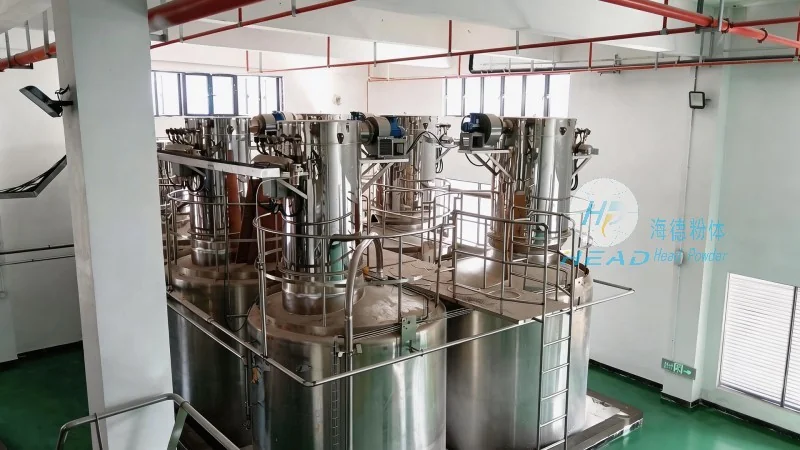
Adopting the wine lees pneumatic conveying system from HeadPowder brings numerous benefits to wineries. Primarily, it significantly reduces labor costs by automating the transport process, minimizing the need for manual handling of heavy or potentially hazardous materials. The system also improves workplace safety by eliminating the risk of manual lifting and handling, contributing to a healthier and safer working environment. From an operational perspective, the system enhances process efficiency by reducing downtime associated with traditional conveyors and improving overall throughput. Furthermore, the hygienic design of the system helps maintain product quality and compliance with food safety regulations, which is critical for maintaining brand reputation and meeting regulatory standards.
Application Scenarios and Case Studies
The wine lees pneumatic conveying system is widely applicable in various stages of the winemaking process. It can be used to transport wine lees from fermentation tanks to storage silos, or from storage to processing units for further utilization, such as in the production of animal feed or biofuel. In industrial settings, the system has proven effective in handling large volumes of lees, ensuring consistent and reliable material flow. HeadPowder has successfully implemented these systems for numerous clients across China, including prominent wineries in Shandong province, where the company is headquartered. These case studies demonstrate the system’s ability to deliver consistent performance, reduce operational costs, and enhance overall production efficiency.