

How to Choose the Right Pneumatic Conveying System for Your Activated Carbon Transport Process
When it comes to transporting activated carbon in industrial processes, selecting the appropriate pneumatic conveying system is crucial for efficiency, reliability, and cost-effectiveness. The right system not only ensures smooth material handling but also minimizes downtime and operational risks. This guide will walk you through the key considerations and steps to help you choose the most suitable pneumatic conveying system for your activated carbon transport needs.
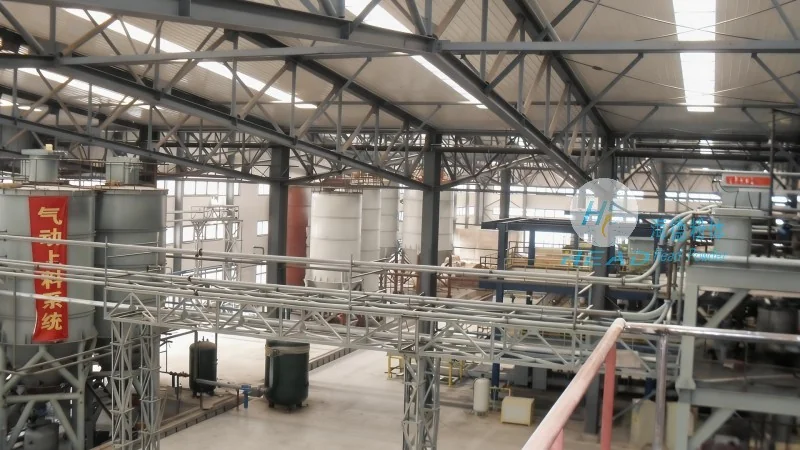
Understanding the Core Requirements of Activated Carbon Transport
Activated carbon, with its unique properties such as high porosity and adsorption capacity, demands specialized handling. The choice of a pneumatic conveying system must align with the specific characteristics of the activated carbon, including particle size, density, moisture content, and flowability. These factors directly impact the system's design, such as the type of air flow (positive or negative pressure), the material of construction, and the overall system layout. A thorough analysis of these parameters is the first step in selecting an effective solution.
Key Factors to Consider in Pneumatic Conveying System Selection
Several critical factors influence the selection of a pneumatic conveying system for activated carbon transport. The distance between the source and destination points is a primary consideration, as it determines whether a low-pressure or high-pressure system is more appropriate. The system's capacity requirements, including the desired flow rate and batch size, also play a significant role. Additionally, the environment where the system will operate—whether it's an indoor or outdoor setting, and the presence of dust or other contaminants—must be taken into account. The choice between positive pressure and negative pressure systems depends on factors like material abrasiveness, dust control needs, and the need for containment. Positive pressure systems, which blow air into the system, are often preferred for abrasive materials like activated carbon due to their ability to handle high particle loads and minimize dust emissions. Negative pressure systems, on the other hand, are suitable for applications requiring strict dust control and where the material is less abrasive.
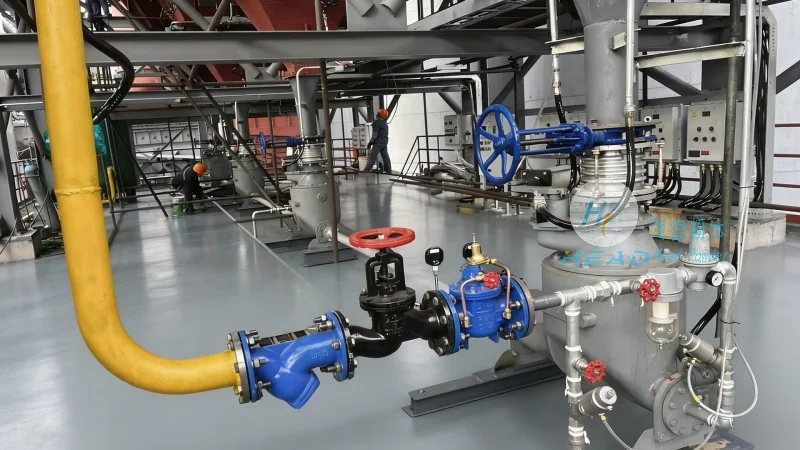
System Components and Their Role in Activated Carbon Transport
A pneumatic conveying system typically consists of several key components, each playing a vital role in the transport process. The feed hopper or silo is responsible for storing and feeding the activated carbon into the system. The conveyor itself, which can be a pipeline system using either positive or negative pressure, transports the material from the source to the destination. The air compressor or vacuum pump provides the necessary air pressure or suction to move the material. The control system manages the flow rate, pressure, and other operational parameters to ensure smooth and efficient transport. For activated carbon, the material of construction is critical, as the system must resist corrosion and abrasion. Materials like stainless steel, carbon steel with coatings, or specialized alloys are commonly used to ensure durability and longevity. The system's design also includes features like cyclones or filters to separate the activated carbon from the air stream, preventing dust accumulation and ensuring compliance with environmental regulations.
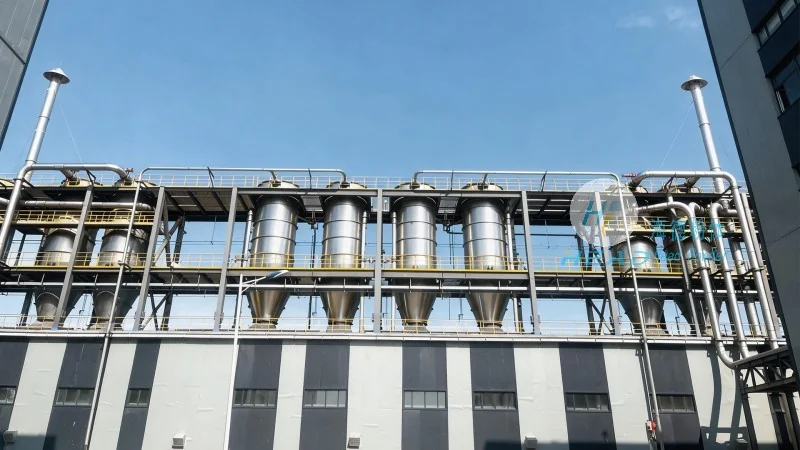
Customization and Integration with Existing Infrastructure
Many industrial facilities have existing infrastructure that needs to be integrated with the new pneumatic conveying system. Customization is often required to ensure compatibility with the current layout, equipment, and operational procedures. This may involve adapting the system's dimensions, pressure ratings, or control interfaces to match the existing setup. The ability to integrate seamlessly with existing processes is a key advantage of modern pneumatic conveying systems. For example, the system can be designed to work in conjunction with other equipment like reactors, filters, or storage tanks, optimizing the overall workflow. Customization also allows for the incorporation of advanced features such as real-time monitoring, automatic control, and data logging, which enhance operational efficiency and provide valuable insights into system performance.
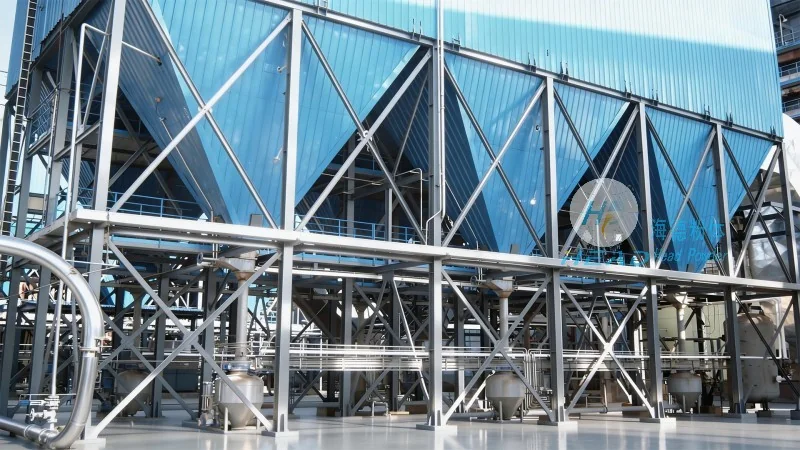
Case Studies and Real-World Applications
HeadPowder, a leading provider of engineering solutions for material handling, has extensive experience in designing and implementing pneumatic conveying systems for activated carbon transport. One of their successful projects involved a chemical plant in Shandong, China, where they installed a positive pressure pneumatic conveying system to transport activated carbon from a storage silo to a reactor. The system was customized to handle the plant's specific requirements, including the high particle load and the need for minimal dust emissions. The result was a significant improvement in operational efficiency, with reduced downtime and lower maintenance costs. Another project involved a water treatment facility, where HeadPowder designed a negative pressure system to transport activated carbon from a storage area to a filtration unit. The system was equipped with advanced filtration and dust control features, ensuring compliance with environmental regulations and maintaining the quality of the treated water.
Conclusion and Recommendations
Selecting the right pneumatic conveying system for activated carbon transport requires a comprehensive understanding of the material's properties, the operational requirements, and the system's components. By considering factors such as the transport distance, system capacity, and environmental conditions, you can choose a system that meets your specific needs. Customization and integration with existing infrastructure are also critical to ensure optimal performance. HeadPowder Engineering Co., Ltd., with its expertise in material handling and pneumatic conveying systems, offers tailored solutions that address the unique challenges of activated carbon transport. Their experienced team can provide guidance and support throughout the selection and implementation process, helping you achieve efficient and reliable material handling for your industrial processes.