

Introduction to Polyurethane Powder Conveying Systems: Structure and Working Principles
For industrial applications that require efficient and reliable powder handling, the polyurethane powder conveying system stands out as a versatile solution. This system is designed to transport various types of powders, including those with different particle sizes and flow characteristics, ensuring smooth and consistent material movement. The following overview will explore the key components, structural design, and operational principles of this advanced conveying technology, developed by Shandong HeadPowder Engineering Co., Ltd., a leading manufacturer based in China.

Polyurethane Powder Conveying System Overview
The polyurethane powder conveying system is a specialized equipment designed to handle bulk powders in industrial settings. It is particularly suitable for applications where traditional metal or plastic conveyors may not be ideal due to factors such as material abrasiveness or the need for gentle handling. The system is engineered to minimize material degradation while maximizing throughput, making it a preferred choice in sectors like food processing, pharmaceuticals, and chemical manufacturing.
Key Components and Structural Design
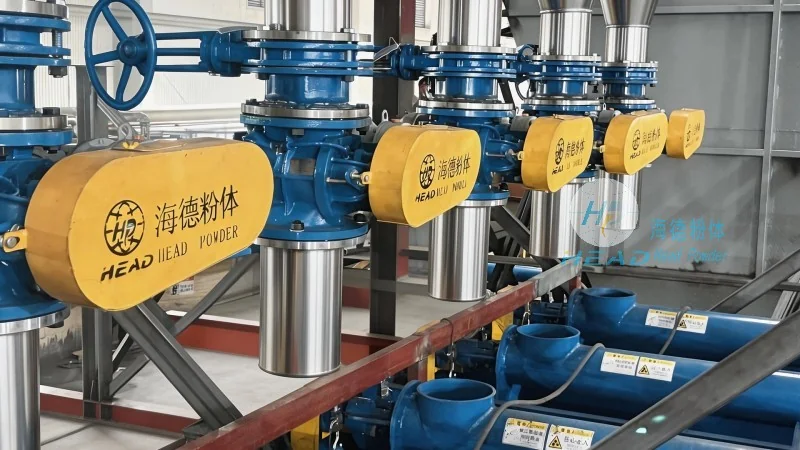
The polyurethane powder conveying system comprises several critical components that work in tandem to ensure effective operation. The main parts include the hopper, which serves as the storage and feeding unit, the conveyor tube made from durable polyurethane material, and the drive mechanism that propels the powder through the system. The hopper is typically equipped with a discharge valve to control the flow rate, preventing overloading or underflow. The polyurethane conveyor tube is designed with a smooth inner surface and reinforced structure to withstand the pressure and abrasion from the conveyed powders. This material choice is crucial as it provides excellent resistance to wear and chemical corrosion, extending the system's service life.
Working Principles and Operational Mechanisms
The operation of the polyurethane powder conveying system is based on the principle of pneumatic or mechanical conveying, depending on the specific design. In pneumatic systems, compressed air is used to create a flow that transports the powder particles through the tube. The air pressure and velocity are carefully controlled to maintain a consistent flow rate and prevent material segregation. In mechanical systems, a rotating screw or auger inside the tube moves the powder forward. The polyurethane material of the tube ensures that the powder is conveyed without friction, reducing the risk of particle breakage or degradation. The system also includes a control panel that allows operators to adjust parameters such as air pressure, speed, and feed rate, ensuring optimal performance under varying load conditions.
Advantages of Polyurethane Material in Conveying Systems
One of the most significant advantages of using polyurethane in the construction of powder conveying systems is its exceptional durability and resistance to wear. Polyurethane is a synthetic polymer that can withstand the abrasive nature of many powders, such as cement, flour, or metal powders, without significant degradation over time. This material also offers good chemical resistance, making it suitable for conveying powders that may be corrosive or reactive. Additionally, polyurethane is lightweight yet strong, reducing the overall weight of the system and making it easier to install and maintain. The smooth surface of the polyurethane tube minimizes friction, which helps maintain the integrity of the powder particles and reduces energy consumption during operation.
Applications and Industries Served
The polyurethane powder conveying system is widely used across various industries due to its adaptability and efficiency. In the food industry, it is used to transport ingredients like flour, sugar, and spices without contamination or degradation. The pharmaceutical industry benefits from its ability to handle sensitive powders, ensuring that the product remains pure and free from contamination. In the chemical sector, the system is employed to convey abrasive powders such as cement, limestone, or metal powders, where traditional conveyors may fail due to wear and corrosion. The system's gentle handling also makes it suitable for delicate materials like pharmaceuticals or food products, where particle integrity is critical.
Installation and Maintenance Considerations
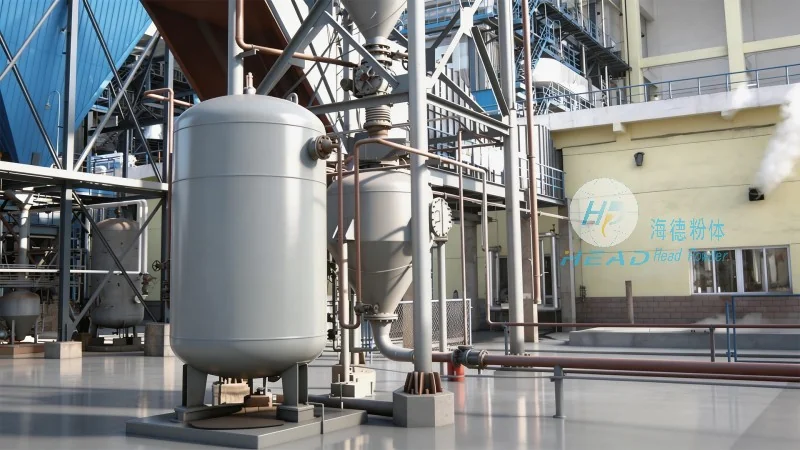
Proper installation and regular maintenance are essential to ensure the long-term performance and reliability of the polyurethane powder conveying system. During installation, it is crucial to check for any leaks in the conveyor tube or connections, as even small leaks can affect the system's efficiency and cause material loss. The hopper should be positioned at an appropriate height to ensure a consistent feed rate, and the discharge valve should be adjusted to control the flow of powder. Regular maintenance involves inspecting the polyurethane tube for signs of wear or damage, replacing it if necessary. The drive mechanism should be checked for proper lubrication and alignment to prevent excessive wear and ensure smooth operation. Cleaning the system periodically is also important to remove any accumulated powder or debris, which can affect performance and hygiene.
Conclusion
The polyurethane powder conveying system represents a reliable and efficient solution for bulk powder handling in various industrial applications. Its robust construction, using durable polyurethane materials, ensures long service life and minimal maintenance. The system's ability to handle a wide range of powders, from fine to coarse, and its gentle handling of delicate materials make it a preferred choice for industries that require high-quality and consistent material transport. By understanding the structural design and operational principles of this system, users can optimize its performance and maximize its benefits in their specific applications.