

Principles and Application Scenarios of Pneumatic Conveying for Edible Salt Powders
Understanding the principles and application scenarios of pneumatic conveying for edible salt powders is crucial for industries that rely on efficient and reliable material handling solutions. This article explores the fundamental mechanisms behind this technology and highlights key operational characteristics that make it suitable for various industrial environments.
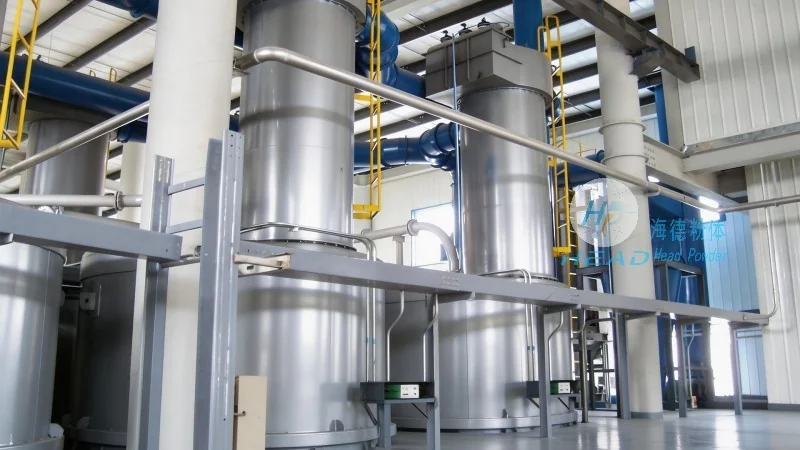
Introduction to Pneumatic Conveying for Edible Salt Powders
Pneumatic conveying is a method of transporting bulk materials, such as edible salt powders, through a pipeline using a gas stream, typically air. This technology offers several advantages over traditional mechanical conveying systems, including reduced equipment wear, lower maintenance costs, and the ability to handle materials in a closed system, which helps maintain product quality and hygiene standards essential for food processing applications.
Core Principles of Pneumatic Conveying Systems
The operation of a pneumatic conveying system for edible salt powders involves several key components and principles. The system typically consists of a hopper to store the material, a conveyor line with appropriate pipe diameters and bends, a fan or blower to generate the air flow, and a discharge point where the material is released. The process works by creating a pressure differential between the inlet and outlet of the system. When the fan operates, it draws air into the system and forces it through the conveyor line, carrying the salt powder particles along with it. The velocity of the air stream must be sufficient to overcome the gravitational forces acting on the particles and to maintain their suspension within the pipeline.
Key Working Scenarios and Operational Characteristics
One of the primary advantages of pneumatic conveying for edible salt powders is its versatility in different operational scenarios. It can be used for both short-distance and long-distance transport, depending on the system design and the required throughput. For short-distance applications, like moving salt from a storage silo to a processing line within a factory, a low-pressure system may be sufficient. In contrast, long-distance transport, such as moving salt from a warehouse to a processing plant located several kilometers away, often requires high-pressure systems to maintain the material's suspension and prevent clogging.
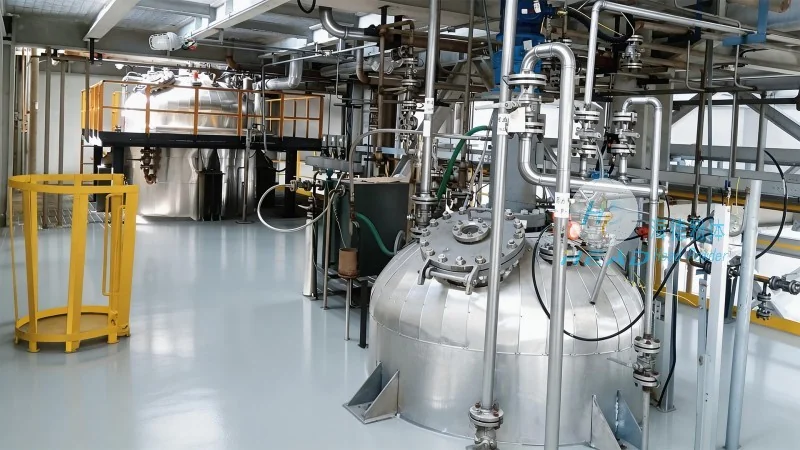
Another important aspect is the system's ability to handle varying particle sizes and moisture content. Edible salt powders can have different granular structures, and the conveying system must be designed to accommodate these variations without causing blockages or excessive wear on components. The use of appropriate air velocities and pipeline diameters is critical to ensure smooth material flow and to prevent the buildup of static electricity, which could lead to material discharge issues or safety hazards.
Application Examples in Industrial Settings
Companies like Shandong HeadPowder Engineering Co., Ltd., based in China, specialize in designing and implementing pneumatic conveying systems tailored to the needs of the food processing industry. Their expertise lies in creating customized solutions that meet the specific requirements of edible salt handling, ensuring compliance with food safety regulations and maintaining product integrity throughout the conveying process.
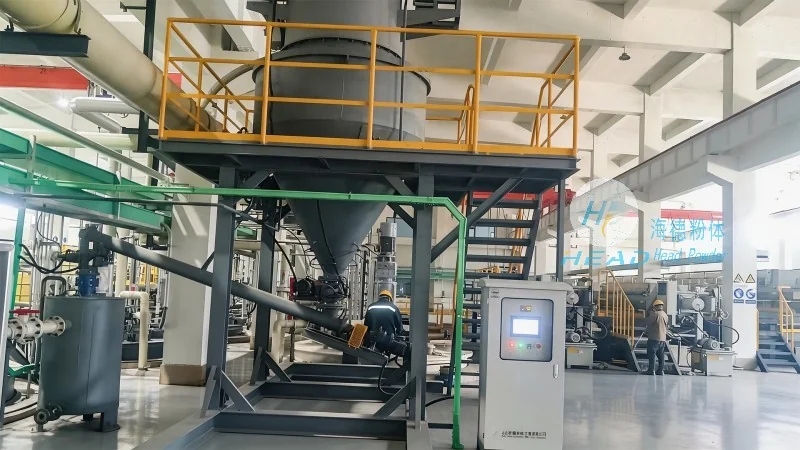
In a typical industrial setting, a pneumatic conveying system for edible salt powders might be used in a salt processing plant. The system could start with a large storage silo where raw salt is stored. From there, the salt is conveyed to a grinding or sieving unit to achieve the desired particle size. The processed salt is then transferred to a packaging line, where it is filled into bags or containers for distribution. Throughout this entire process, the pneumatic conveying system ensures that the salt moves efficiently and hygienically, minimizing the risk of contamination and maintaining the product's quality.
Benefits and Considerations for Edible Salt Handling
Implementing a pneumatic conveying system for edible salt powders offers numerous benefits, including improved operational efficiency, reduced labor costs, and enhanced product safety. However, there are also considerations to keep in mind, such as the initial investment costs, which can be higher than traditional mechanical systems, and the need for regular maintenance to ensure optimal performance. Additionally, the system's design must account for the potential for material degradation due to moisture or temperature changes, which could affect the salt's quality and shelf life.
Overall, pneumatic conveying is a reliable and efficient method for handling edible salt powders in various industrial applications. By understanding the core principles and operational characteristics of these systems, industries can make informed decisions about implementing the right technology to meet their material handling needs.